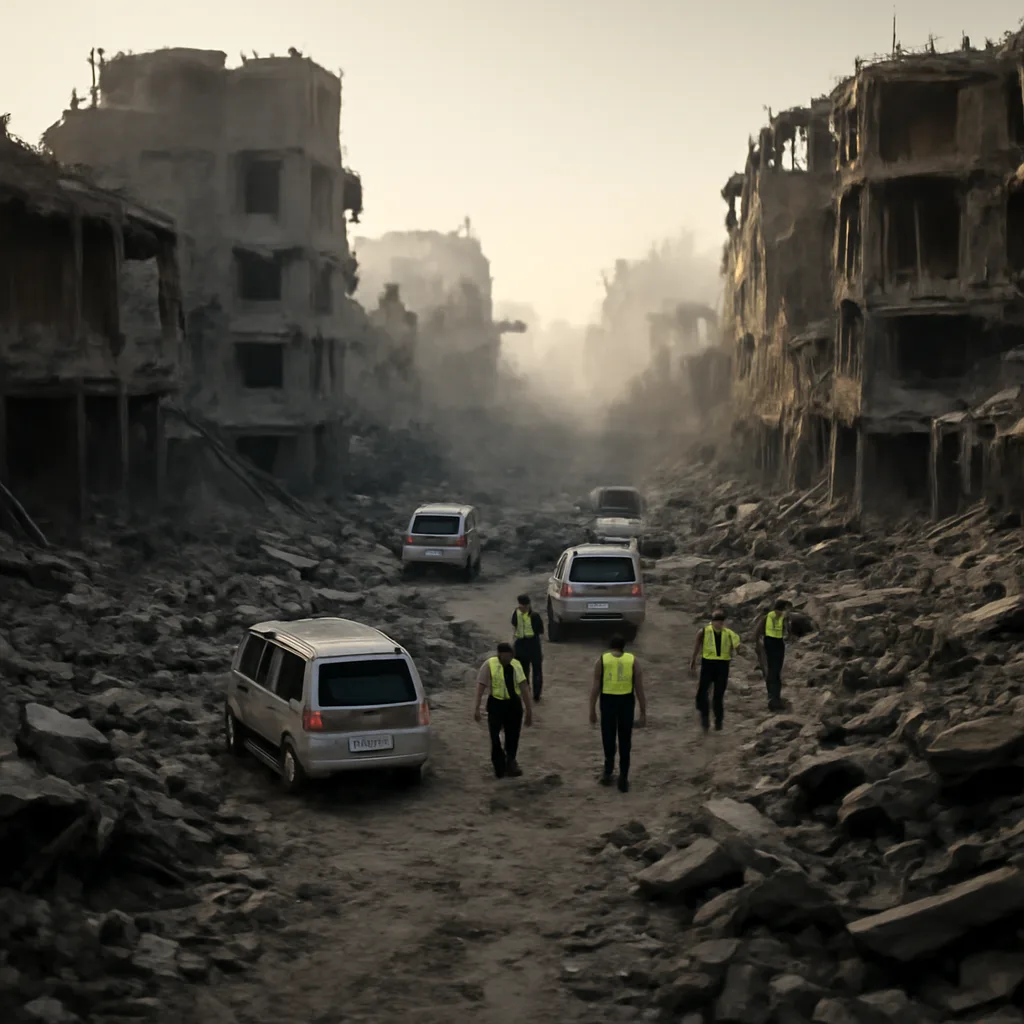
On July 20, 2014, Israeli airstrikes around Gaza escalated as the Israel Defense Forces said they targeted militant sites in response to rocket fire; the strikes occurred amid a broader, weeks-long confrontation that produced heavy civilian and combatant casualties and international concern.
On July 20, 2014, air operations by the Israel Defense Forces (IDF) around the Gaza Strip intensified as part of a larger military campaign prompted by a surge in rocket and mortar fire from Gaza into southern and central Israel. The strikes formed one element of an eight-day escalation that began earlier in July and subsequently merged into a larger conflict that lasted through late July and August 2014.
Context and course of operations
The July escalation followed weeks of rising tensions after the disappearance and later deaths of three Israeli teenagers in the West Bank in June 2014, and the killing of a Palestinian teenager in Jerusalem shortly afterward. Israeli authorities blamed Hamas for the initial abduction; Hamas denied involvement. In the weeks that followed, exchanges of fire between Palestinian militants in Gaza and Israeli forces increased, punctuated by frequent rocket attacks on Israeli towns and expanding Israeli aerial and artillery strikes on Gaza.
On July 20 specifically, Israeli military statements reported targeting what they described as rocket-launching teams, weapons storage sites, and infrastructure used by militant groups. Palestinian health officials and local medical facilities reported civilian casualties and damage to homes and public buildings; exact casualty figures varied between Israeli and Palestinian sources and changed as reporting continued. International observers and humanitarian organizations repeatedly expressed concern about the increasing toll on civilians and the risks to noncombatants in densely populated areas.
Humanitarian and diplomatic reactions
Humanitarian organizations warned of mounting needs for medical care, shelter and basic services as strikes and counterstrikes damaged infrastructure and impeded access for aid workers. The United Nations and several governments called for restraint and for steps to protect civilians, while diplomatic efforts intensified to secure a ceasefire. Egypt and other regional actors engaged in shuttle diplomacy during the period that followed, seeking to negotiate pauses in the fighting.
Broader consequences
The July 20 strikes were part of a wider campaign that included ground operations and a high tempo of aerial bombardment over subsequent weeks. The conflict resulted in substantial loss of life, extensive destruction in Gaza’s built environment, and displacement of many civilians. Investigations and reporting by international bodies and human rights organizations after the hostilities examined compliance with international humanitarian law, including allegations of disproportionate harm to civilians and of militants operating from civilian areas. Views on responsibility and legality of specific strikes were contested and subject to differing accounts and interpretations.
Aftermath and ceasefires
A series of ceasefire proposals and short-term pauses were negotiated over the following weeks, culminating in longer ceasefire arrangements in late August 2014. The ceasefires ended active large-scale hostilities but left unresolved political and security issues, including the blockade of Gaza, humanitarian reconstruction needs, and long-term arrangements to prevent rocket fire and other attacks.
Notes on sources and reporting
Contemporaneous information came from official IDF statements, Palestinian health and civil authorities, international organizations, media reporting, and later reviews by human rights and investigative bodies. Specific casualty counts, the attribution of particular strikes, and who was present at targeted locations were disputed in many cases; where disputes exist, official and independent accounts differed and were subject to ongoing analysis and verification.