
← Back
05/25/1943 • 8 views

First Public Demonstration of Penicillin Averts Wartime Deaths
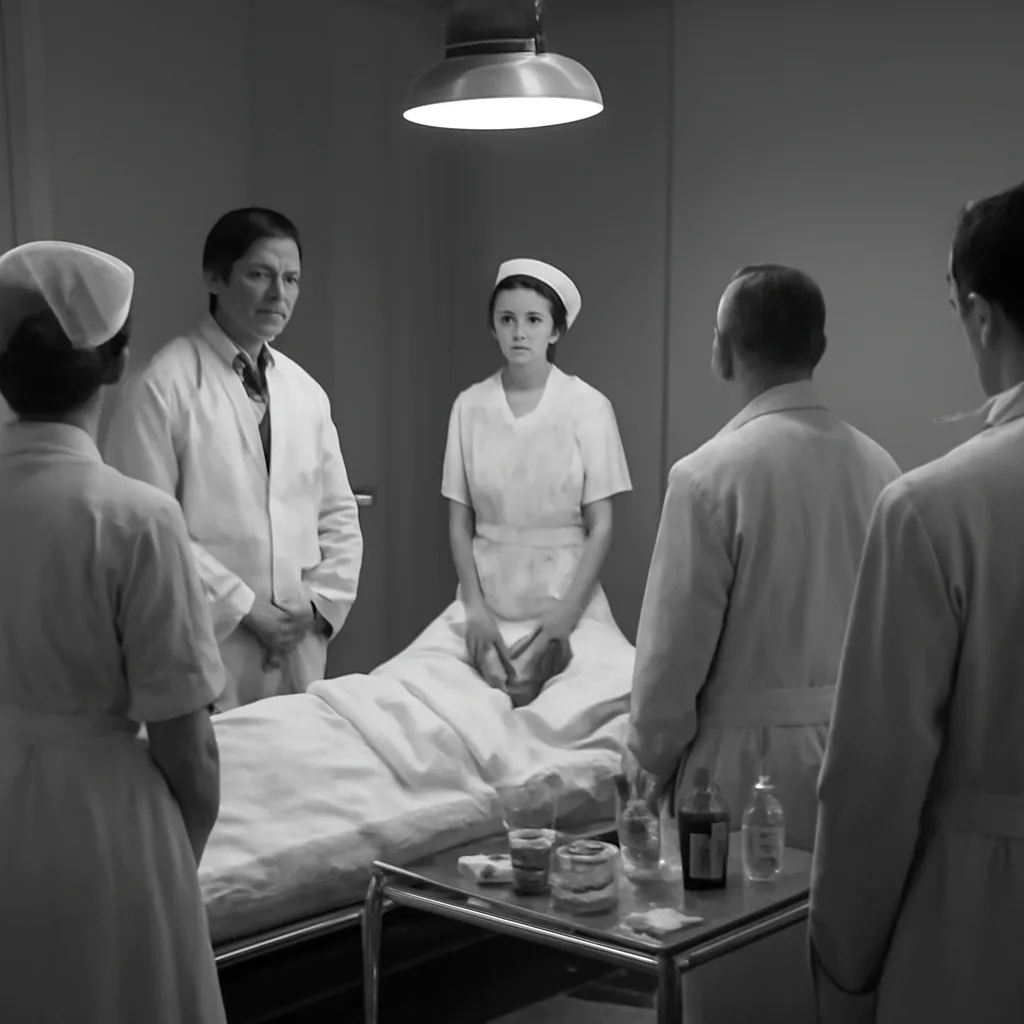
A 1940s hospital ward or clinical meeting room where medical staff observe a patient’s improvement after treatment; nurses in period uniforms, clinicians in suits or white coats, glass ampoules and early medical equipment visible.

On 25 May 1943, British clinicians publicly demonstrated penicillin’s therapeutic effect, marking a turning point in infection treatment as the drug began saving lives among wounded soldiers and civilians during World War II.


On 25 May 1943 a public demonstration of penicillin’s therapeutic effect took place in London, a milestone in the antibiotic’s transition from laboratory curiosity to clinical tool. Penicillin had been discovered by Alexander Fleming in 1928, but its medical application remained limited until concerted development and production efforts in the late 1930s and early 1940s by researchers including Howard Florey, Ernst Chain and their colleagues at the University of Oxford. Those teams developed methods to extract and concentrate penicillin, established protocols for dosing and sterilization, and conducted the early controlled clinical trials that provided clear evidence of the drug’s value against bacterial infections.

The demonstration on 25 May 1943 was arranged to show visiting medical professionals, government officials and representatives of military medicine the dramatic clinical benefits of penicillin. Reports from the period describe patients with severe bacterial infections—wounds, septicemia and other formerly often-fatal conditions—improving rapidly after receiving penicillin. The public presentation aimed to persuade health authorities and manufacturers to prioritize large-scale production and distribution, particularly to treat infected battle wounds and other wartime casualties.

The event built on earlier controlled treatments and case reports: in 1941–42 Oxford teams had treated patients successfully with penicillin in carefully monitored settings, documenting reductions in fever, bacterial counts and mortality. By May 1943, production remained limited and the available preparations were precious, but the demonstration made clear that penicillin could markedly reduce deaths and amputations from infected wounds. The presentation helped catalyze wider governmental and industrial support in Britain and, crucially, in the United States, where mass-production techniques were rapidly advanced to meet military and civilian needs.

Context matters: wartime exigencies accelerated penicillin’s technical scaling and regulatory acceptance. Allied governments invested in collaborations between universities, government laboratories and pharmaceutical firms. Within a year of the demonstration, penicillin supplies expanded substantially, and by the later years of World War II the drug was deployed broadly to treat combat-related infections, contributing to lower infection-related mortality and improved recovery among soldiers.

Scholars note that the 25 May demonstration was one of several public and professional showings that together persuaded authorities to commit to mass production; it was not a solitary moment that instantly transformed practice. Many clinicians and hospitals adopted penicillin as supplies increased, but distribution constraints and production limits meant that availability varied by theater and over time. Additionally, penicillin’s early clinical use required learning appropriate dosing and recognizing that it was ineffective against viral infections and some bacterial strains that later developed resistance.

The significance of the 1943 demonstration endures: it symbolizes the point at which penicillin’s promise became widely visible to medical and political leaders, helping to trigger efforts that would make antibiotics a central pillar of modern medicine. The event sits within a broader history of rapid wartime innovation and industrial mobilization that together shifted the management of infection from largely palliative care to active, effective antimicrobial therapy.

Share this

Email Share on X Facebook Reddit

Did this surprise you?