
← Back
05/19/1954 • 7 views

Medical Records Tie First Documented Fallout Injuries to 1954 Nuclear Test
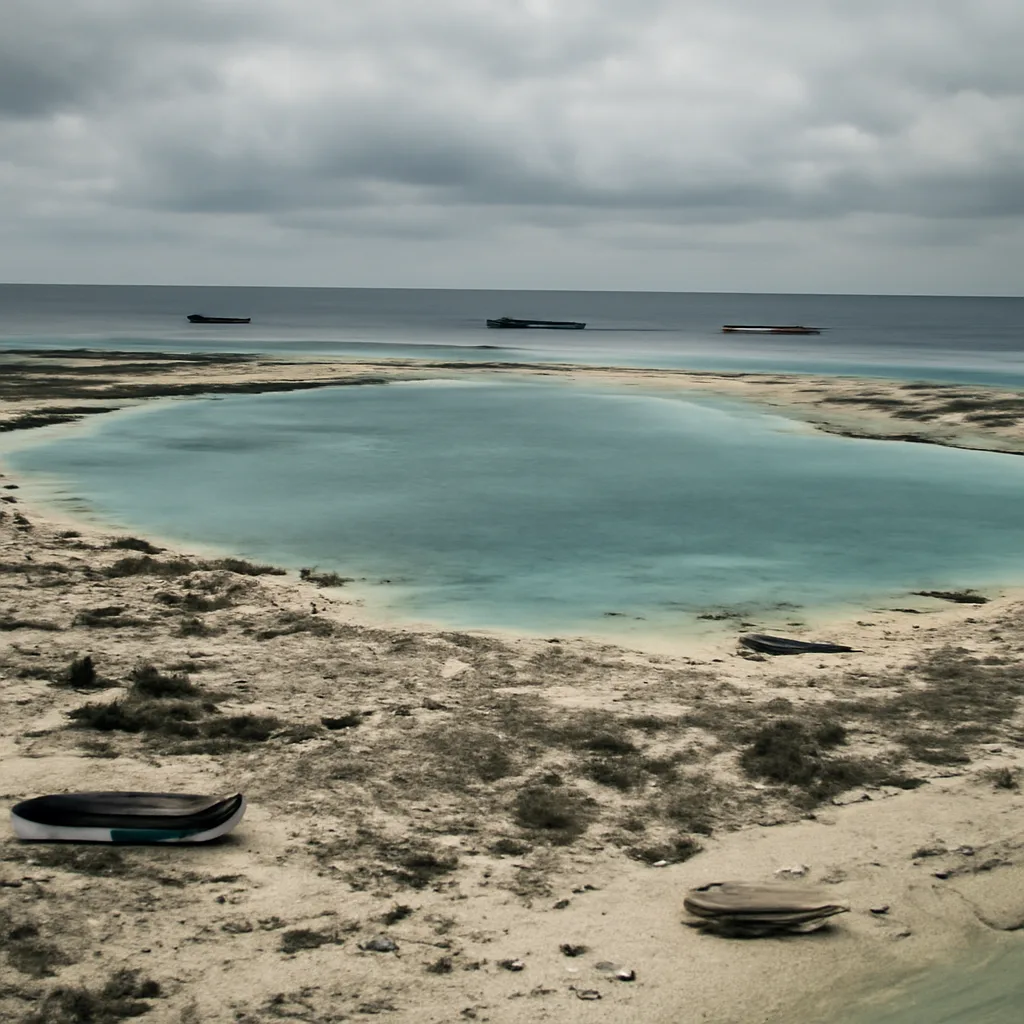
Aerial view of Bikini Atoll lagoon and atoll islands after the 1950s nuclear tests, showing reef, shallow waters, and small islets; no identifiable faces.

Medical and archival records link documented radiation injuries among Marshall Islands residents and U.S. servicemen to the May 19, 1954 Castle Bravo thermonuclear test, revealing early, contested accounts of fallout exposure and its immediate health effects.


On May 19, 1954, the United States conducted the Castle Bravo thermonuclear test at Bikini Atoll in the Marshall Islands. The device yielded markedly more energy than projected, producing widespread radioactive fallout that drifted beyond intended safety zones. In the weeks and months that followed, medical records, photographs, and contemporaneous reports documented acute injuries consistent with radiation exposure among island residents and members of nearby U.S. naval and support personnel—constituting among the first well-documented instances of fallout-related harm from atmospheric nuclear testing.

The Castle Bravo detonation created a plume of radioactive debris that contaminated several atolls, most notably Rongelap and Utirik, and affected crew aboard the Japanese fishing vessel Daigo Fukuryu Maru (Lucky Dragon No. 5). Residents reported nausea, skin lesions, and hair loss; medical exams noted burns and other symptoms later understood as acute radiation syndrome (ARS). U.S. Navy and Atomic Energy Commission (AEC) medical records from the period describe cases of skin erythema and gastrointestinal distress among servicemen who had been on ships downwind of the blast. Photographic evidence and clinical notes from hospitals treating exposed patients contributed to establishing a causal link between the fallout and those injuries.

Documentation is not uniformly complete. Initial official communications minimized both the yield surprise and the extent of exposure; evacuation and decontamination protocols were inconsistently applied. Some affected Marshallese were moved only after symptoms appeared or after U.S. personnel recognized contamination on clothing and soil. The Daigo Fukuryu Maru’s radio operator died months later from complications attributed by many contemporary observers and later historians to radiation exposure, prompting international attention and protest. Subsequent medical follow-ups identified longer-term health effects—including increased cancer risk and chronic conditions—though epidemiological attribution across decades remains complex and has been the subject of ongoing research and debate.

The Castle Bravo incident prompted changes in U.S. nuclear testing policy and in the international conversation about atmospheric testing. The visible and documented injuries among civilians and servicemen helped catalyze public outcry that contributed to later test-ban negotiations. Medical and archival investigations since the 1950s have continued to refine the historical record: declassified AEC files, patient records, and independent studies have clarified timelines of exposure, symptoms, and institutional response, while also revealing gaps and inconsistencies in early reporting.

Historians and health researchers emphasize caution when interpreting early reports. Immediate clinical descriptions are valuable primary sources for diagnosing acute radiation effects, but long-term health outcomes require sustained epidemiological study to separate fallout-related harm from other risk factors. Additionally, language and record-keeping practices of the 1950s, together with political sensitivities of the Cold War era, influenced how events were recorded and communicated.

In sum, Castle Bravo’s unexpected yield produced fallout that led to some of the first well-documented cases of radiation-related injury attributed to atmospheric nuclear testing. Those records—medical notes, photographs, ship logs, and patient follow-ups—remain central to understanding both the human cost of early thermonuclear testing and the impetus for later policy changes limiting atmospheric detonations.

Share this

Email Share on X Facebook Reddit

Did this surprise you?