
09/25/1962 • 4 views
Supreme Court Rules School Prayer Unconstitutional in 1962 Decision
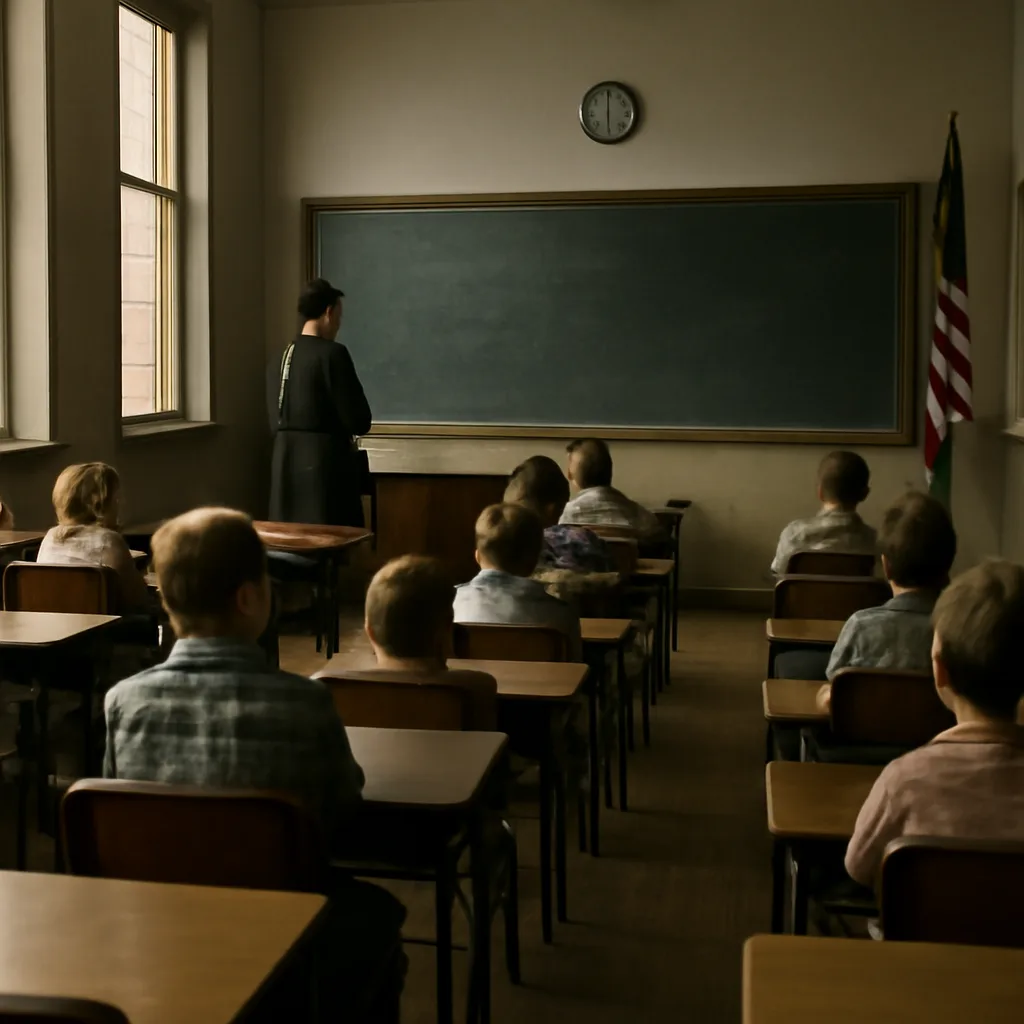
On September 25, 1962, the U.S. Supreme Court held that official school-sponsored prayer in public schools violated the First Amendment’s Establishment Clause, a landmark ruling that reshaped church–state relations in American public education.
The Court, in a 6–1 decision authored by Justice Hugo Black, ruled that the recitation of the state-composed prayer in public schools was unconstitutional. The majority held that government-directed prayer in public schools breached the constitutional wall of separation between church and state by effectively advancing religion through a public institution. Justice Black emphasized that the First Amendment’s prohibition on laws respecting an establishment of religion was absolute and applicable to state actions through the Fourteenth Amendment.
The Engel decision did not prohibit private, voluntary religious activity by students; rather, it focused on official, state-sponsored endorsement or organization of prayer within public schools. The Court's reasoning drew on historical understandings of the Establishment Clause and a commitment to religious neutrality by government institutions. The ruling applied to public schools nationwide, directing that public school authorities may not compose or require recitation of official prayers.
Engel v. Vitale provoked a strong public response. Supporters praised the decision as a defense of religious freedom and pluralism, arguing it protected students of differing faiths (or no faith) from governmental pressure to conform. Critics contended the ruling removed a traditional public expression of religiosity and infringed on the role of religion in public life. The decision intensified national debates over religion in public institutions and spawned subsequent litigation as courts and legislatures grappled with the implications for religious expression in schools.
In the years that followed, the Supreme Court expanded and clarified Establishment Clause doctrine in related cases addressing school prayer, Bible reading, religiously themed curricula, and student-led religious activity. Engel remains a foundational case in First Amendment jurisprudence and is frequently cited in disputes over the boundaries between government and religion in public education and other civic settings.
Historical assessments note that Engel arose during a period of social and legal change in the United States, including gradual incorporation of Bill of Rights protections against state actions and heightened attention to civil liberties. While Engel set a clear constitutional limit on school-sponsored prayer, debates over religion in public life have persisted, with later cases refining when and how religious expression is permitted in public schools. The decision’s core holding—that the state may not compose or sponsor official prayer in public schools—remains a central precedent governing church–state relations in American public education.