
10/09/2019 • 4 views
UK government suspends Parliament amid Brexit showdown
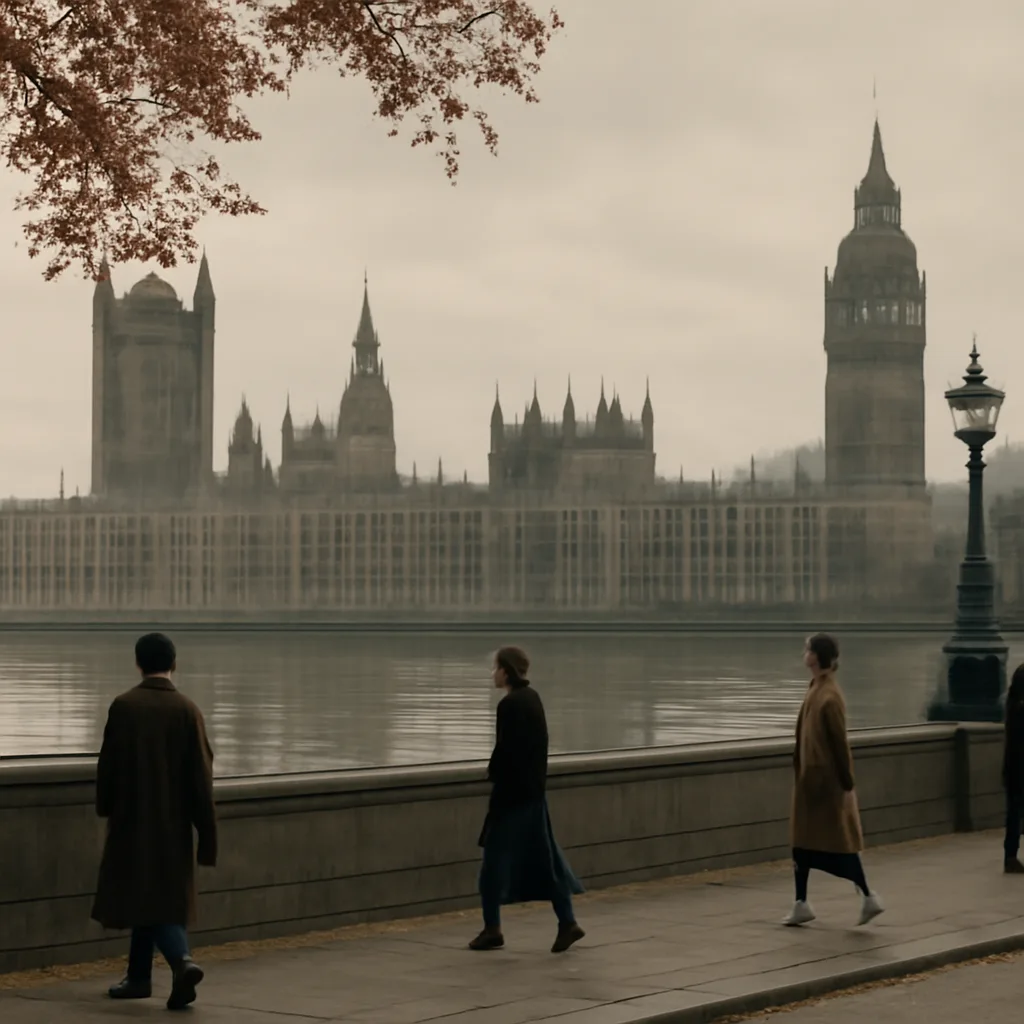
On 9 October 2019 Prime Minister Boris Johnson advised the Queen to prorogue (suspend) Parliament for five weeks ahead of the 14 October Queen’s Speech, a move critics said limited parliamentary scrutiny of imminent Brexit plans.
Context
By October 2019 the United Kingdom was deeply divided over how—or whether—to leave the European Union. Boris Johnson, who became prime minister in July 2019 promising to deliver Brexit by 31 October ‘‘do or die,’’ had rejected an extension to the Article 50 negotiating period and was seeking parliamentary approval for his approach. Opponents in Parliament and across the country feared that suspending Parliament would curtail scrutiny and debate at a critical moment when MPs might legislate to prevent a no-deal exit.
Political reactions
Opposition parties, some Conservative backbenchers, and civic groups condemned the prorogation as an anti-democratic move intended to stifle MPs who were attempting to block a no-deal Brexit. They argued the length and timing of the suspension would remove opportunities for urgent debate and for passing legislation. Supporters of the government countered that prorogation was a conventional mechanism to prepare for a new parliamentary agenda and that the timing reflected routine scheduling for a Queen’s Speech.
Legal challenges and parliamentary steps
The prorogation triggered multiple legal challenges in the UK courts and in Scotland’s Court of Session. Claimants argued that the advice to the Queen was unlawful because it frustrated parliamentary sovereignty. The legal disputes quickly moved through the courts. Separately, MPs pursued procedural and legislative routes to constrain the government’s Brexit options, including drafting bills and using parliamentary time to seek orders to prevent a no-deal departure.
Supreme Court ruling and aftermath
On 24 September 2019 the UK Supreme Court ruled unanimously that the prorogation was unlawful because it had the effect of frustrating or preventing the ability of Parliament to carry out its constitutional functions without reasonable justification. The court declared the prorogation null and of no effect, meaning Parliament was treated as never to have been lawfully prorogued. MPs returned to Parliament immediately. The ruling reinforced the principle of parliamentary sovereignty and set a significant constitutional precedent regarding limits on the executive’s use of prorogation.
Broader significance
The episode intensified debates about the balance of power between the executive and Parliament in the UK constitution, and it became a defining moment in the Brexit crisis. It demonstrated how conventional prerogatives—such as advising the sovereign to prorogue Parliament—can become legally and politically contested when used at high-stakes moments. The Supreme Court decision was praised by some as upholding democratic accountability and criticized by others as judicial overreach into political matters. The parliamentary and political battles that followed continued through the autumn of 2019 and contributed to the broader realignment of UK politics around Brexit.
Notes on sources and disputes
Details here are based on contemporaneous reporting and the public record of court judgments and parliamentary proceedings. Timelines and characterizations (for example, exact start and end dates cited in different government statements) varied among official notices and media accounts during the dispute; the Supreme Court’s 24 September 2019 judgment is the key legal turning point establishing that the prorogation was unlawful.