
10/09/2010 • 4 views
Soccer team refuses to start after wrong national anthem is played
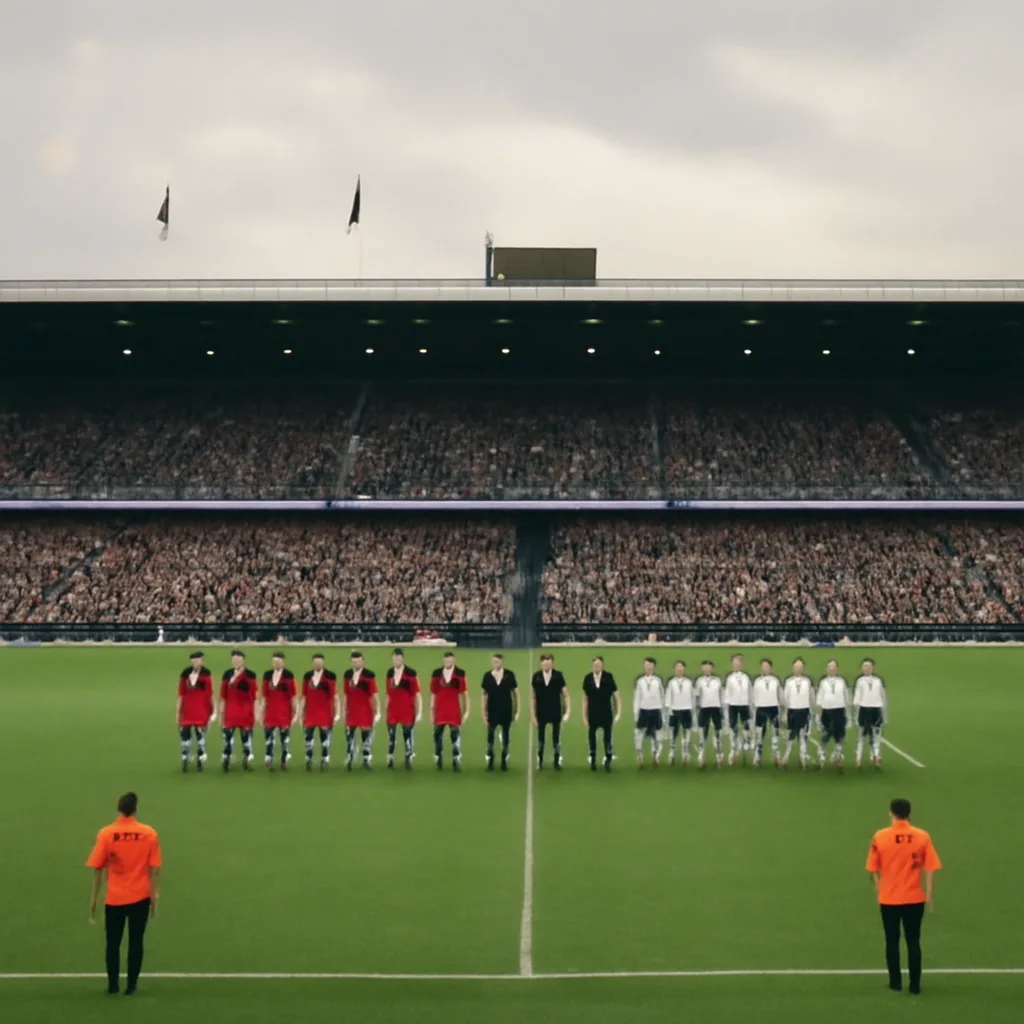
At an international match on October 9, 2010, a visiting soccer team stopped play and refused to begin after the stadium PA played the wrong national anthem; officials and organizers later discussed protocol and apologies.
Incidents involving incorrect anthems are relatively rare but have occurred in international sport, often prompting immediate apologies from hosts and review of pre-match protocols. In this case, team officials maintained that dignity and national symbols required rectification before play could fairly commence. Tournament organizers and venue managers worked to verify which recording had been intended and to determine whether the error arose from a mislabeled file, human mistake in selection, or faulty equipment.
Timing in such situations is important: international matches typically include a strict series of pre-match events—team lineups, flags, anthems, and handshakes—often coordinated by match delegates, the home federation, and stadium operations. When one element fails, competition rules and the discretion of match referees guide whether to delay kick-off, replay the anthem, or proceed while noting a formal complaint.
Reports from the day indicate that officials ultimately arranged to play the correct anthem and to issue a formal apology to the visiting delegation. After the correction and a brief delay, the match proceeded. Post-match statements from the home federation acknowledged the error and described steps to prevent recurrence, including tighter checks of audio playlists and clearer handover procedures between organizing staff and stadium technicians.
The episode prompted discussion within football governing circles about best practices for handling national symbols, especially at fixtures involving teams from different countries or territories with sensitive political contexts. Governing bodies have long advised that host organizations maintain verified anthem recordings, labeled in multiple ways (by language and by country code), and that match-day staff cross-check files well before arrival of teams.
While the incident caused a short delay and drew media attention at the time, there is no reliable record indicating long-term disciplinary action against players or officials solely for the refusal to start; such protests are typically treated as procedural matters. The principal outcomes documented in contemporaneous reporting were apologies from hosts and commitments to procedural safeguards for future fixtures.