On this day: February 16
Logan Paul's Legendary Pokémon Card Smashes Auction Records at Over $16 Million
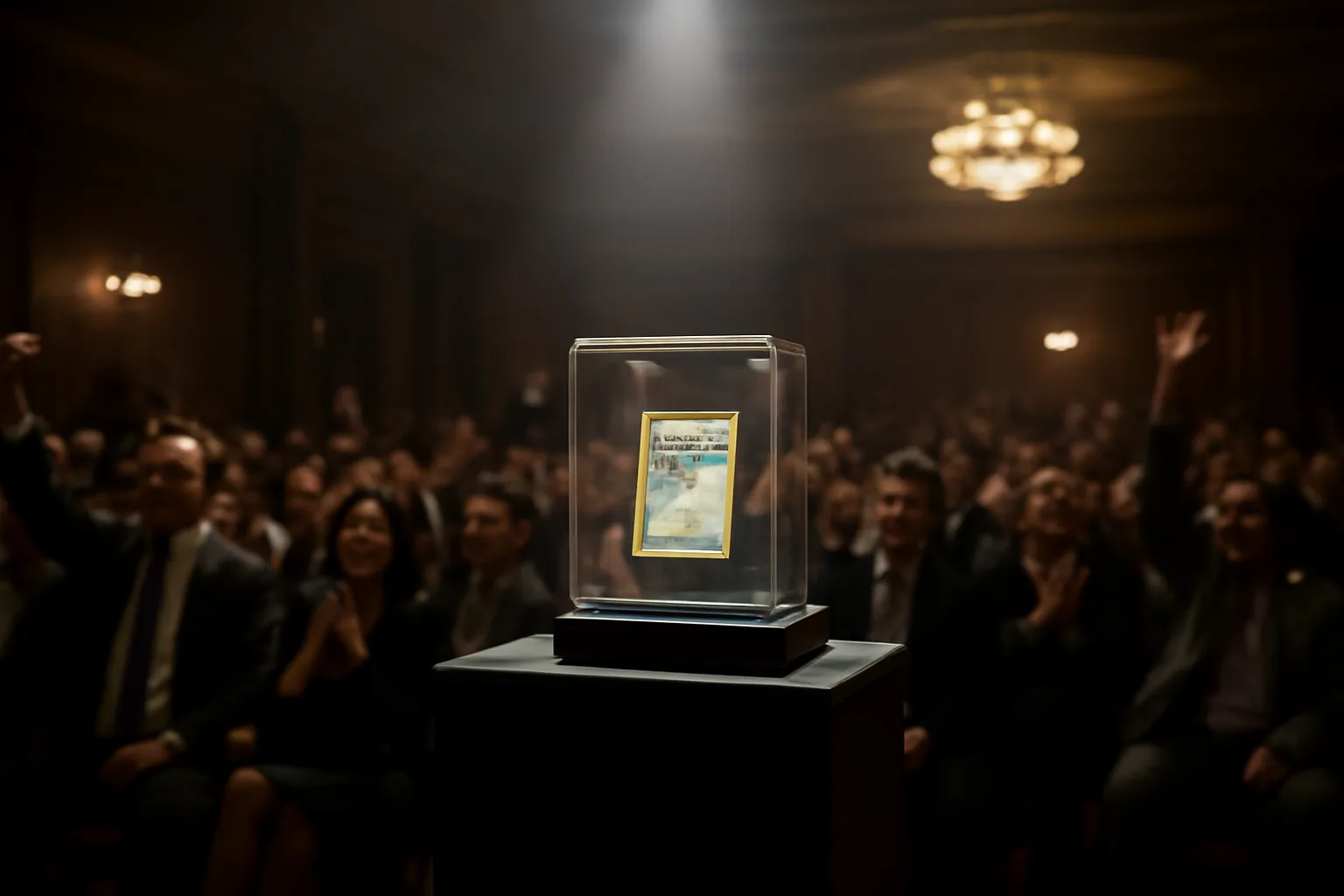
A rare Pokémon card once owned by internet sensation and WWE star Logan Paul sold for a staggering $16,492,000, setting a new record in the collectibles world.
1869 Arsenic in Cosmetics: An Early Mass Poisoning Linked to Face Powder

In February 1869, reports emerged across Europe of widespread illness and deaths traced to arsenic-contaminated cosmetic powders—one of the earliest documented mass poisonings associated with a beauty product. The incident exposed dangerous manufacturing practices and spurred public outcry and regulatory scrutiny.
The First Known Mass Poisoning Linked to Cosmetics: The 1869 Arsenic Tragedy

In February 1869, dozens fell ill—and several died—after using a popular Parisian cosmetic adulterated with arsenic. The case is widely cited as the first documented mass poisoning tied to a beauty product, exposing 19th-century risks from unregulated cosmetic ingredients.
Vatican Revises Official Exorcism Rites

On Feb. 16, 1999, the Vatican issued revisions to its official Rite of Exorcism, updating language and pastoral guidance while reaffirming the Church’s caution in distinguishing medical and psychiatric conditions from cases requiring an exorcist.
Public autopsy demonstration astonishes 1540 crowd
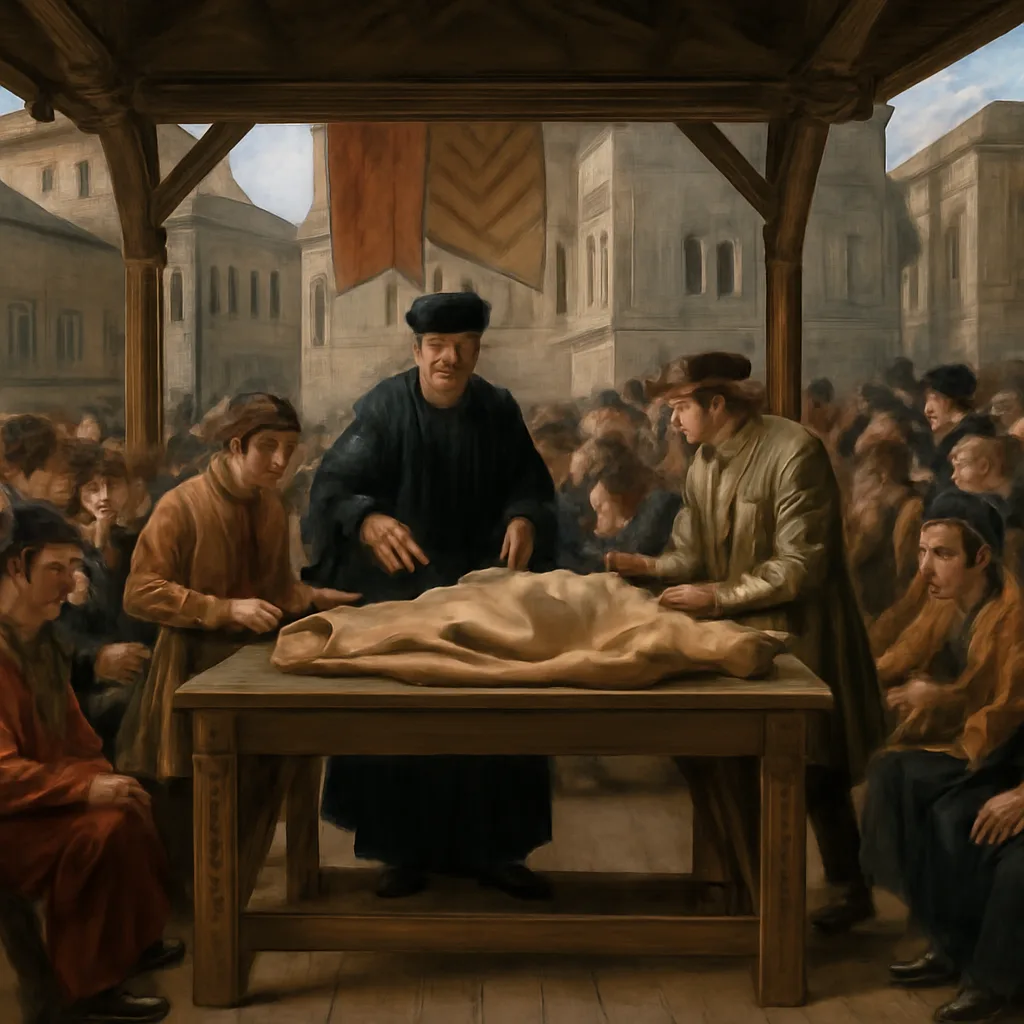
On February 16, 1540, a public anatomical dissection drew large numbers of onlookers, marking a moment when examination of the human body began to move from private practice into a more public and instructional sphere in Renaissance Europe.
Vatican Updates Exorcism Rites in 1999 Revision

On February 16, 1999, the Vatican published a revised edition of its rites for exorcism, clarifying procedures and emphasizing pastoral care, psychiatric evaluation, and episcopal oversight.
The first documented case of cult-induced starvation (February 16, 1971)

On February 16, 1971, authorities in the United States uncovered the first widely reported instance of fatal starvation tied to a communal religious group: the death of a young follower of the Sonlight Missionary Society, highlighting early public awareness of lethal cult practices.
FBI Releases Files Related to Tupac Shakur

In February 2011 the FBI made public files related to rapper and activist Tupac Shakur, long a subject of public interest and conspiracy; the released records include investigative notes, memoranda and redacted documents that shed light on federal attention to his activism and legal troubles.
My Lai investigation made public after years of secrecy

On February 16, 1970, the U.S. Army made public its investigation into the My Lai massacre, revealing sworn statements and evidence about the 1968 killings of Vietnamese civilians and setting off renewed public scrutiny and legal proceedings.