On this day: February 2
Traffic Comes to a Hop in Virginia Thanks to Escaped Kangaroo
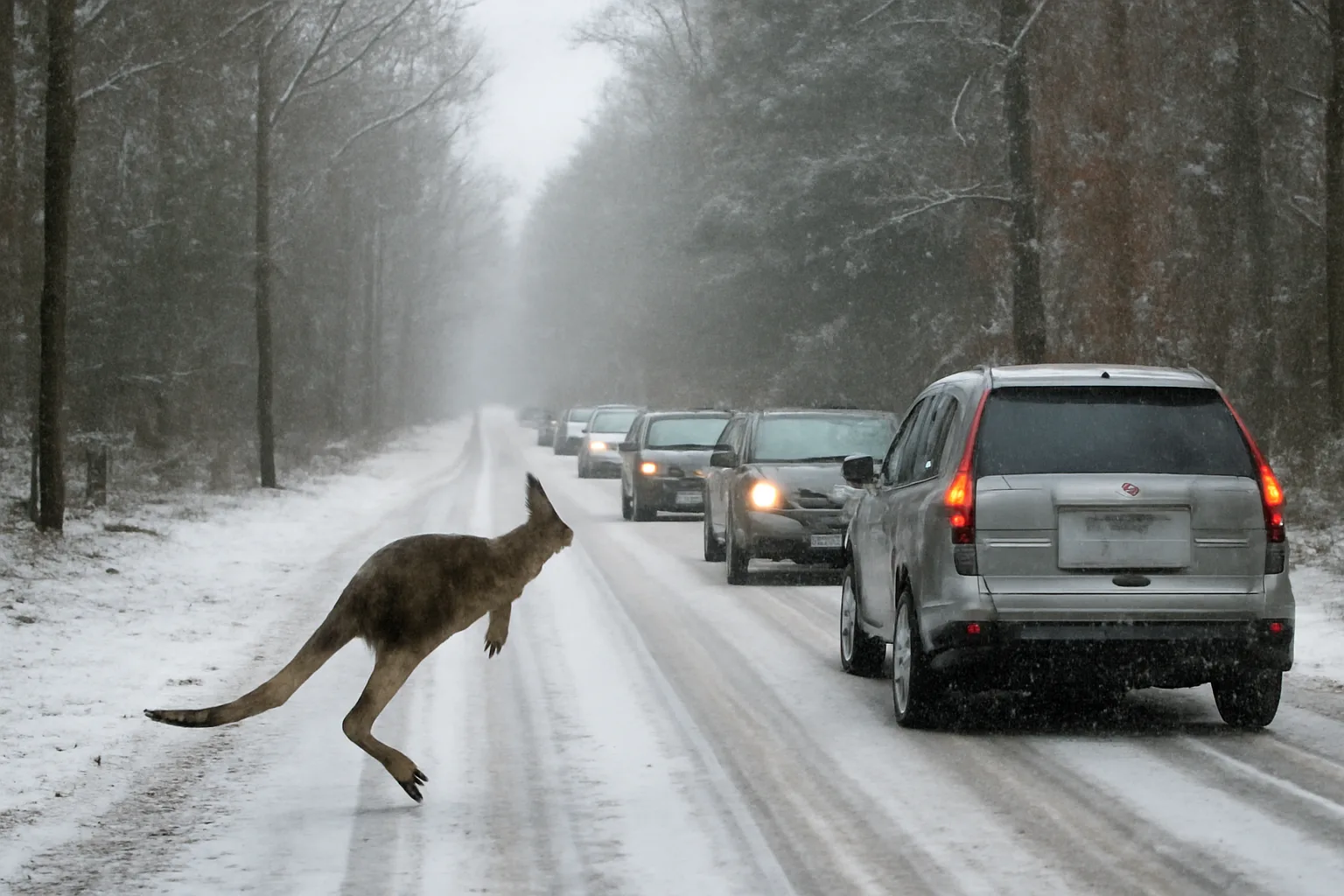
Sheriff’s deputies in Nelson County, Virginia, encountered an unusual traffic blocker: a loose kangaroo hopping on a snowy road. The marsupial caused enough of a stir to halt vehicles, baffling locals and authorities alike.
Thrift Store Camera from 1930s Yields Mysterious Photos in England
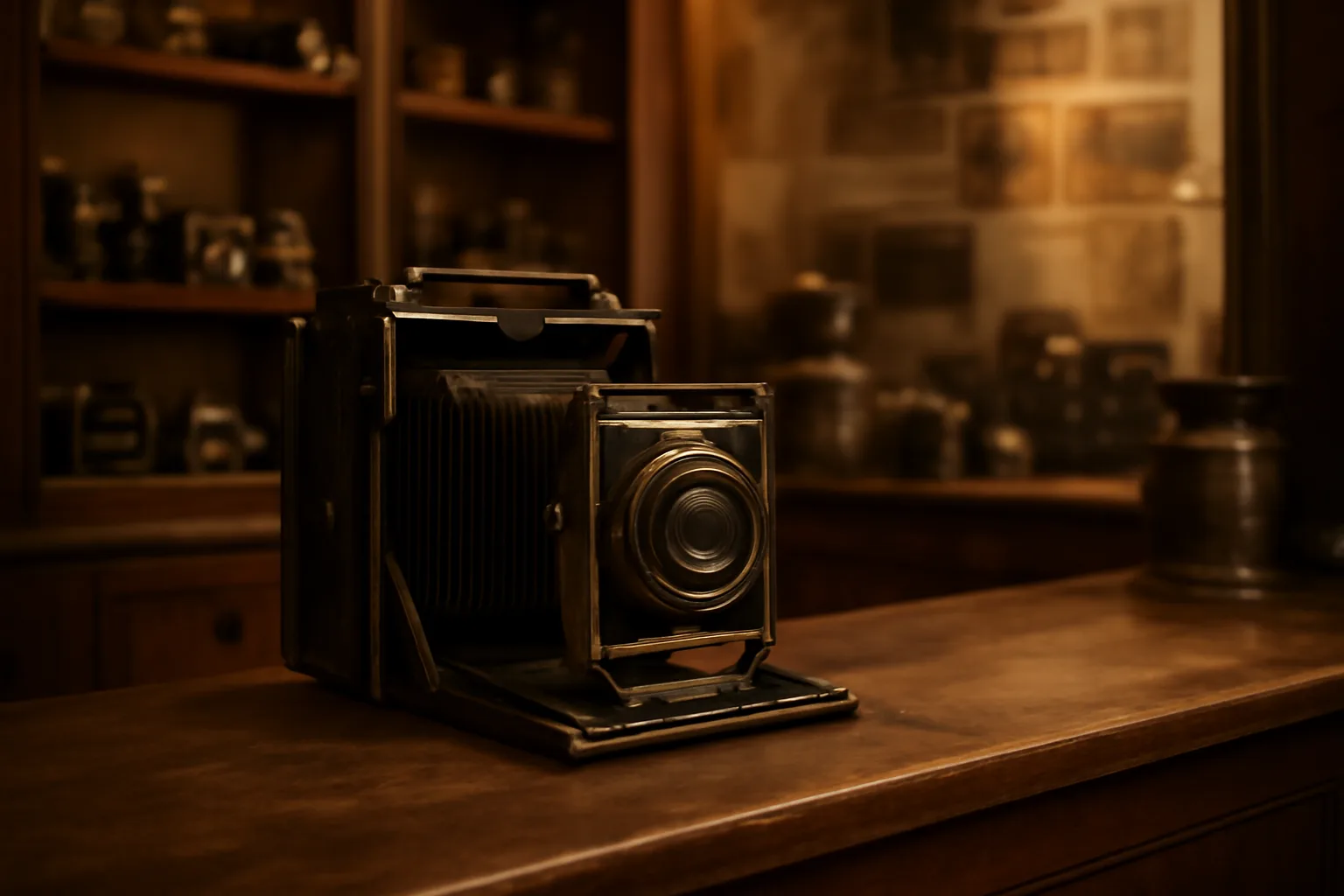
A vintage camera purchased at a thrift store in England unexpectedly contained undeveloped film from the 1930s, sparking a local photography shop's quest to uncover the story behind the mysterious images.
Player Repeatedly Scores for Opponent in 1978 College Game

On February 2, 1978, during a college basketball game, a player repeatedly scored on his opponent's basket, an unusual sequence that drew attention that season. Contemporary reports framed it as a combination of miscommunication and in-game chaos rather than deliberate sabotage.
First Known Human Cryonics Preservation: 2 February 1967
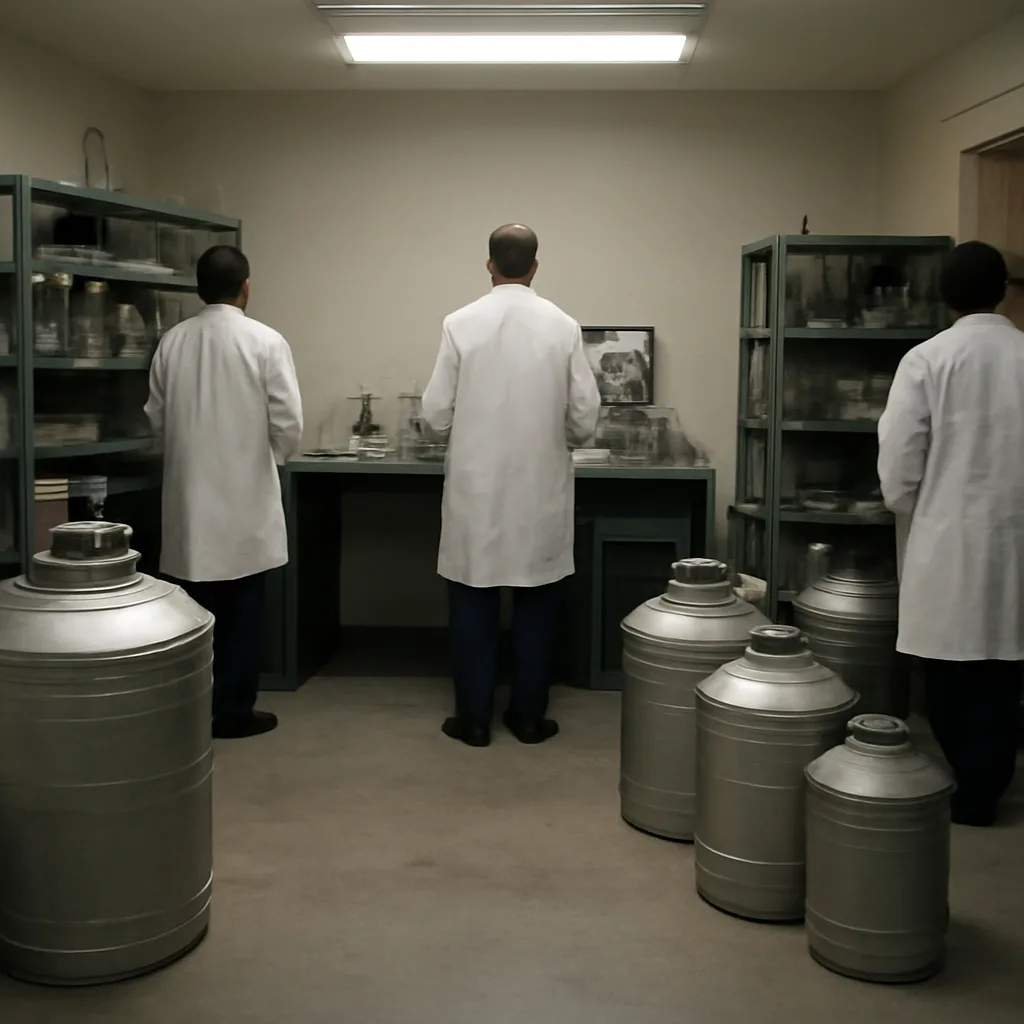
On 2 February 1967 a legally deceased man named James Bedford was placed in long-term low-temperature storage by researchers in an early cryonics effort—widely regarded as the first known human cryopreservation attempt. The case launched public and ethical debates that continue today.
First documented human cryonics preservation performed, 1967
On February 2, 1967, the first known human cryonics preservation was carried out when physician James Bedford was frozen after legal death, marking the start of organized cryopreservation efforts despite scientific and ethical controversy.
The Great White Hurricane of 1912: A Deadly February Blizzard
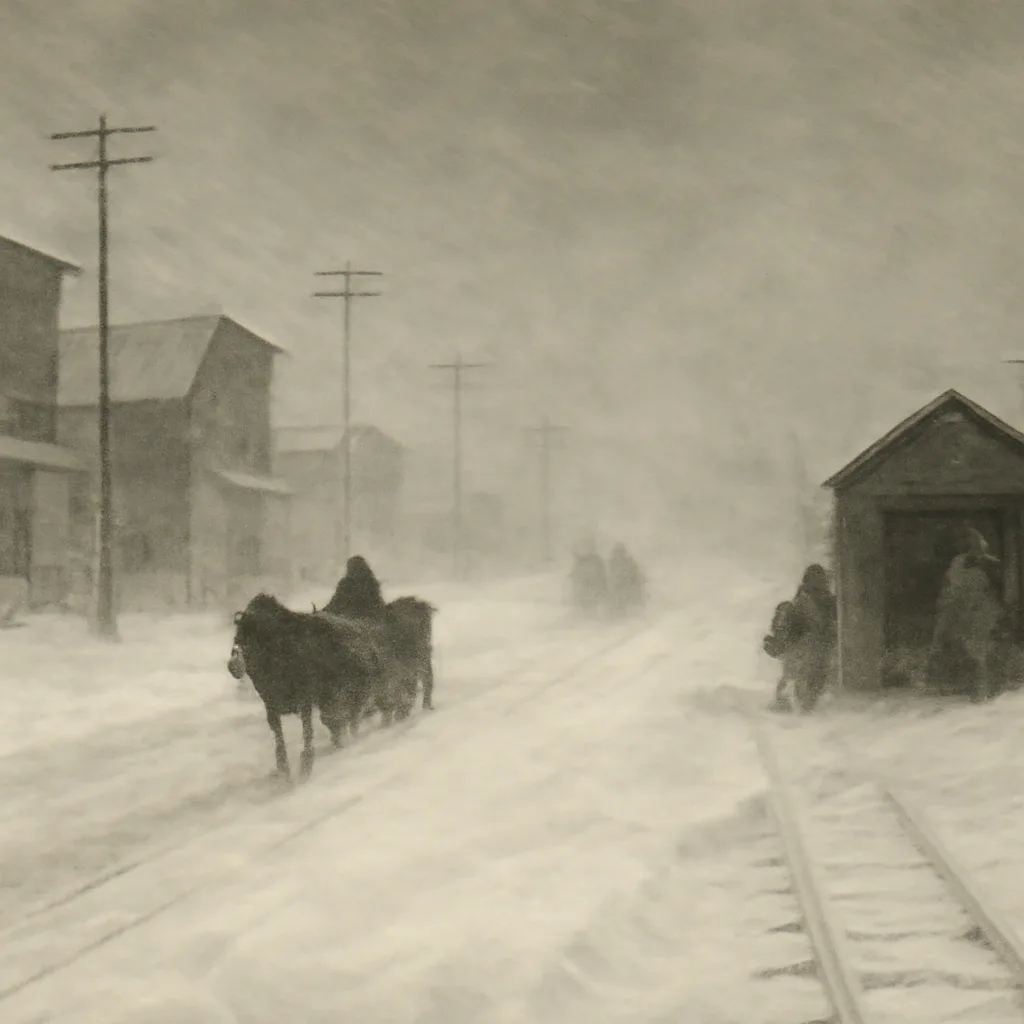
On February 2, 1912, a massive blizzard known as the Great White Hurricane struck the American Midwest and Great Plains, bringing extreme cold, heavy snow, and high winds that trapped people, stalled transportation, and caused thousands of deaths and widespread disruption.
The First Documented Use of a Lie Detector: 2 February 1921
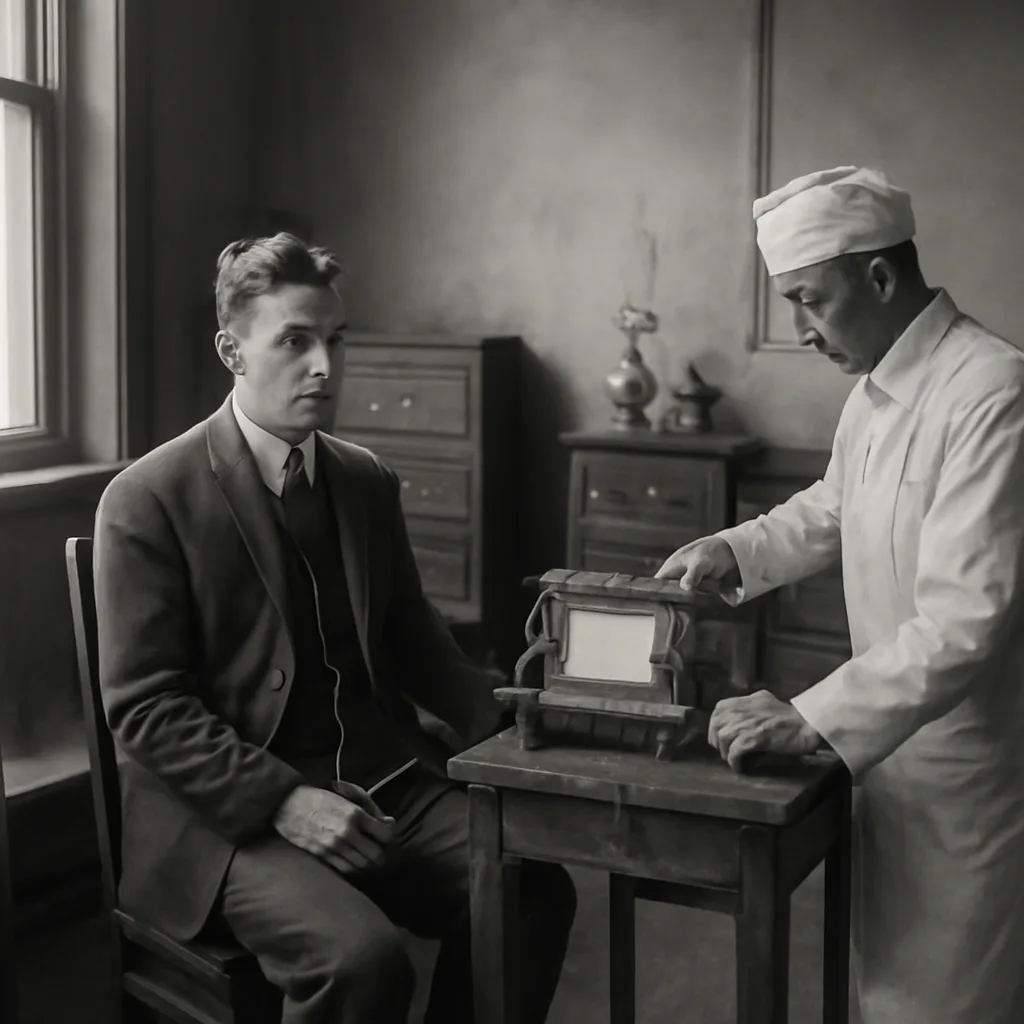
On 2 February 1921 a clinical recording device was used in a courtroom-connected context to assess truthfulness—an early documented step toward the modern polygraph. The event marks a transition from physiological interest to forensic application, though methods and interpretations remained contested.
The Great White Hurricane of 1912 Strikes the U.S. Northeast
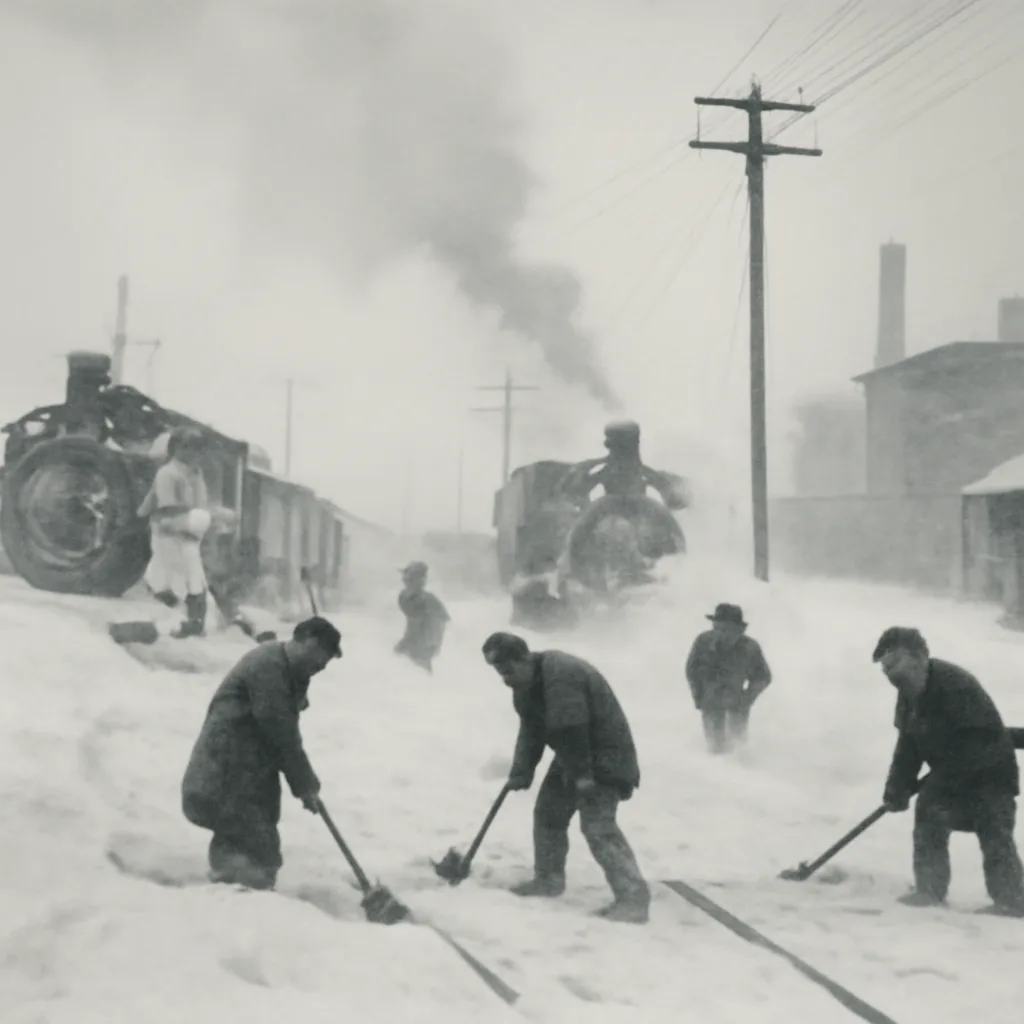
On February 2, 1912, a historic blizzard—later called the Great White Hurricane—brought heavy snow, severe winds, and widespread disruption across the Northeastern United States, closing railroads, cutting telegraph lines, and causing numerous deaths and economic damage.
First Recorded Use of a Lie Detector in an Investigation (Feb 2, 1921)
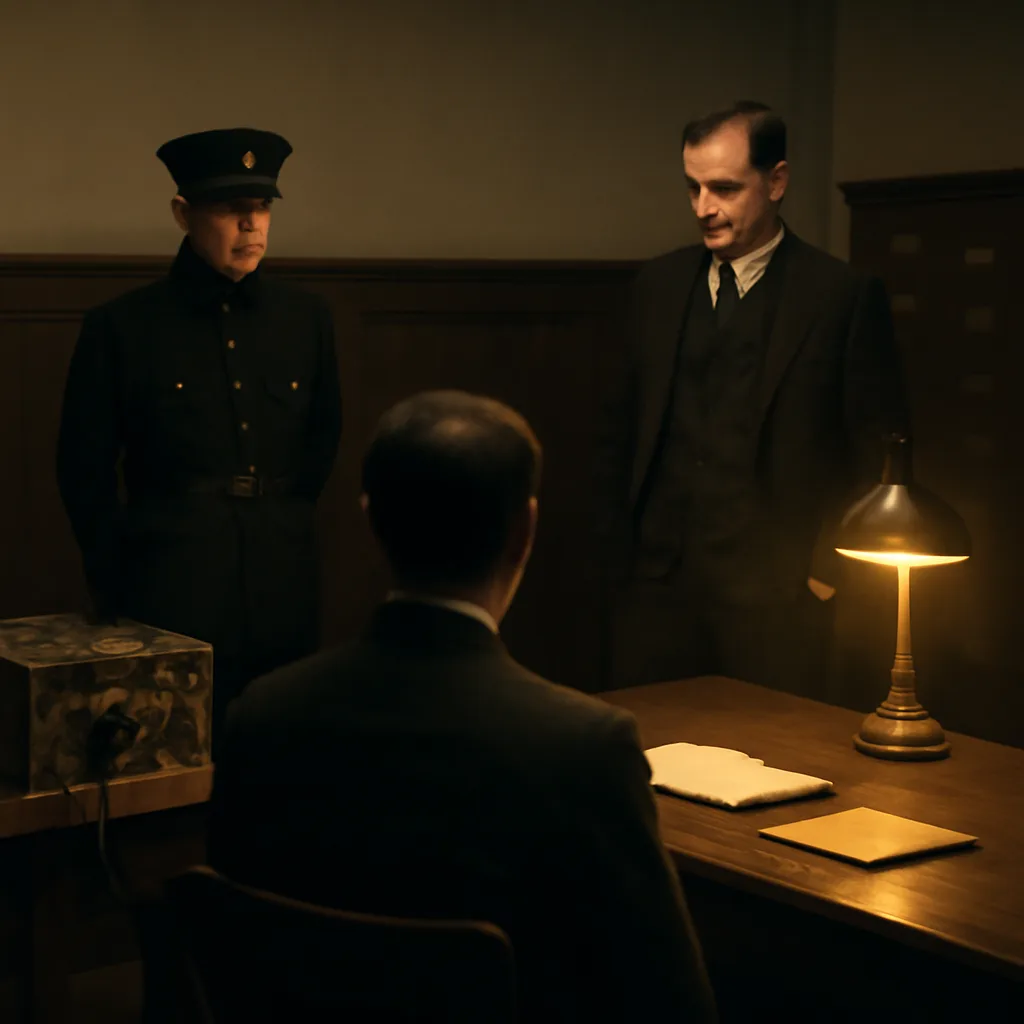
On February 2, 1921, police in New York City used an early lie-detection instrument—an antecedent of the polygraph—during an investigation, marking one of the first documented uses of such devices in law enforcement practice.
Reassessment Reduces Estimated Death Toll From the Great Chicago Fire
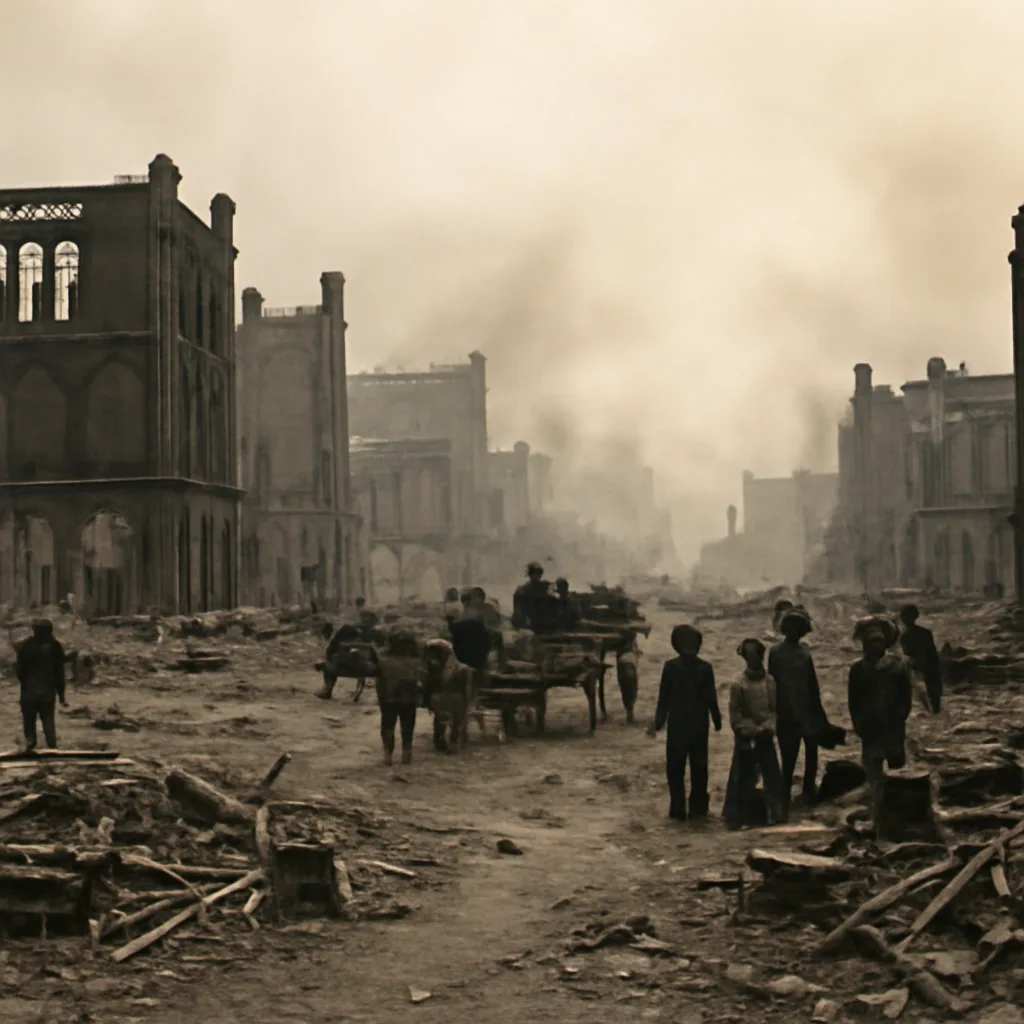
Recent historical review and archival research have led scholars to lower the commonly cited death toll from the Great Chicago Fire of early October 1871, reflecting corrections to contemporary records and later exaggerations.
Reassessment Lowers Death Toll From the Great Chicago Fire
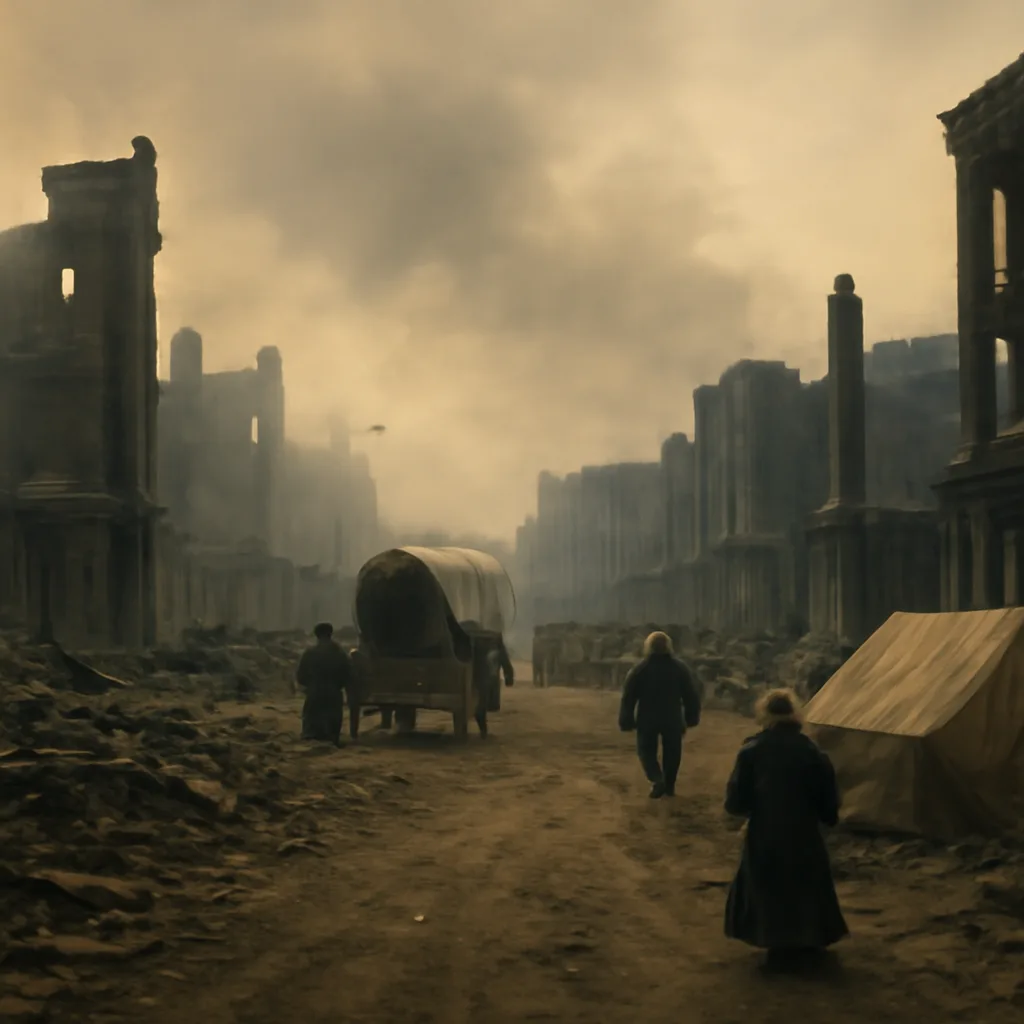
Historians have revised the estimated deaths from the Great Chicago Fire of October 1871, lowering the commonly cited toll after re-examination of contemporaneous records and burial registers.