On this day: February 4
Escaped Emu Enzo’s Wild Sprint Through Almonte Predicts ‘6 More Weeks of Winter’
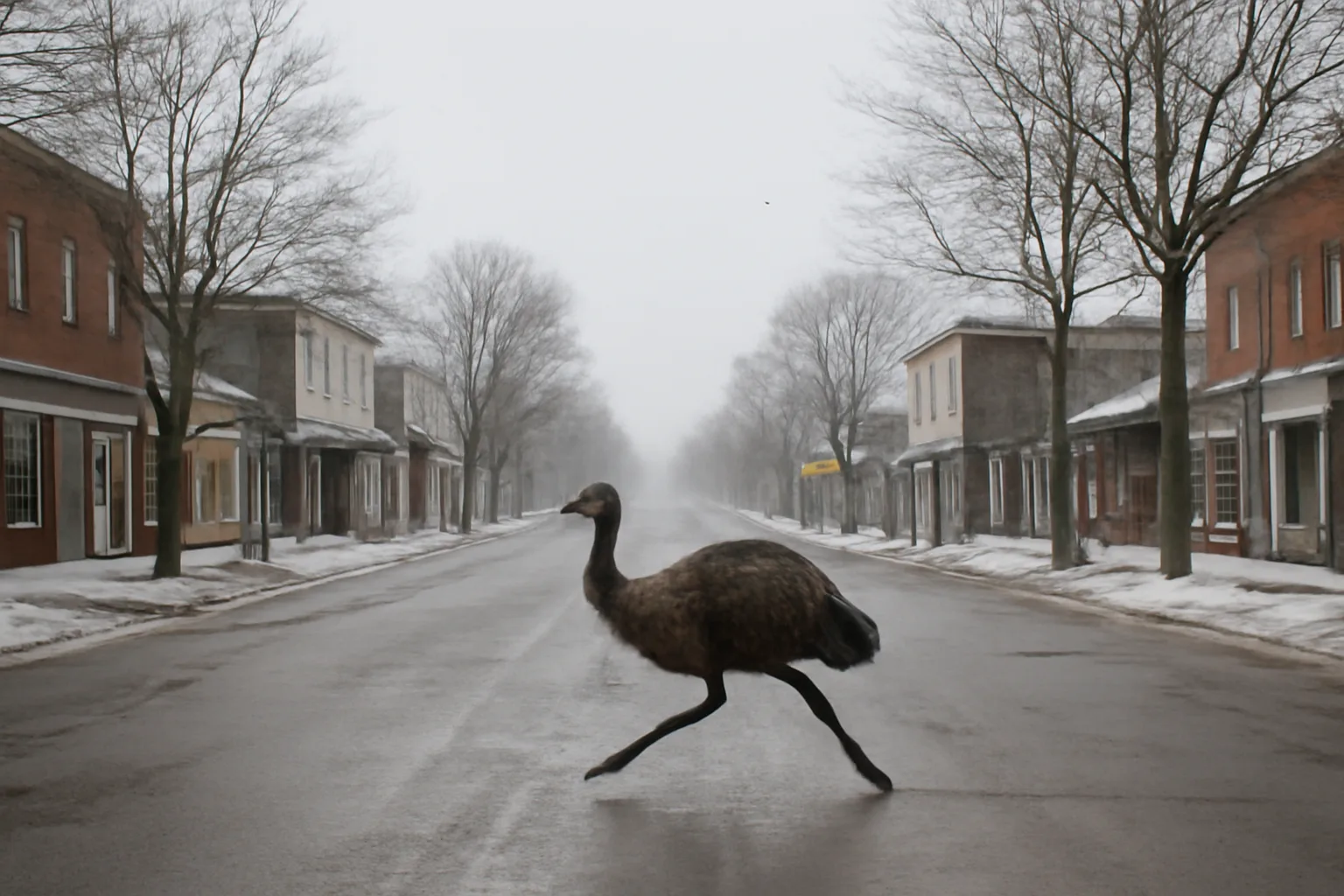
Enzo, a resident emu from an Ontario animal sanctuary, made an unexpected dash through the town of Almonte, prompting apologies from the sanctuary and sparking wild speculation about the weather ahead.
Doctor's Visit Detour Nets Illinois Friends $350,000 Lotto Jackpot

Two Illinois friends on their way to a doctor's appointment made a spontaneous lottery ticket stop and walked away with a $350,000 jackpot. A simple change of plans turned a routine day into a life-changing event.
The 1982 Rajneeshbioterror Incident: First Documented Cult Mass Poisoning

On February 4, 1982, followers of the Bhagwan Shree Rajneesh deliberately contaminated salad bars in The Dalles, Oregon, with Salmonella enterica Typhimurium, sickening over 750 people in what is widely recognized as the first documented case of mass poisoning by a cult in the United States.
The 1982 Rajneeshbioterror Incident: First Documented Cult Mass Poisoning

In early February 1982, followers of a small millenarian cult in South Asia carried out a mass food-poisoning attack that researchers later identified as among the first documented instances of cult-directed bioterrorism, sickening hundreds and prompting criminal investigations.
Tylenol Murders of 1982: First Documented Case of Retail Product Tampering and Mass Poisoning
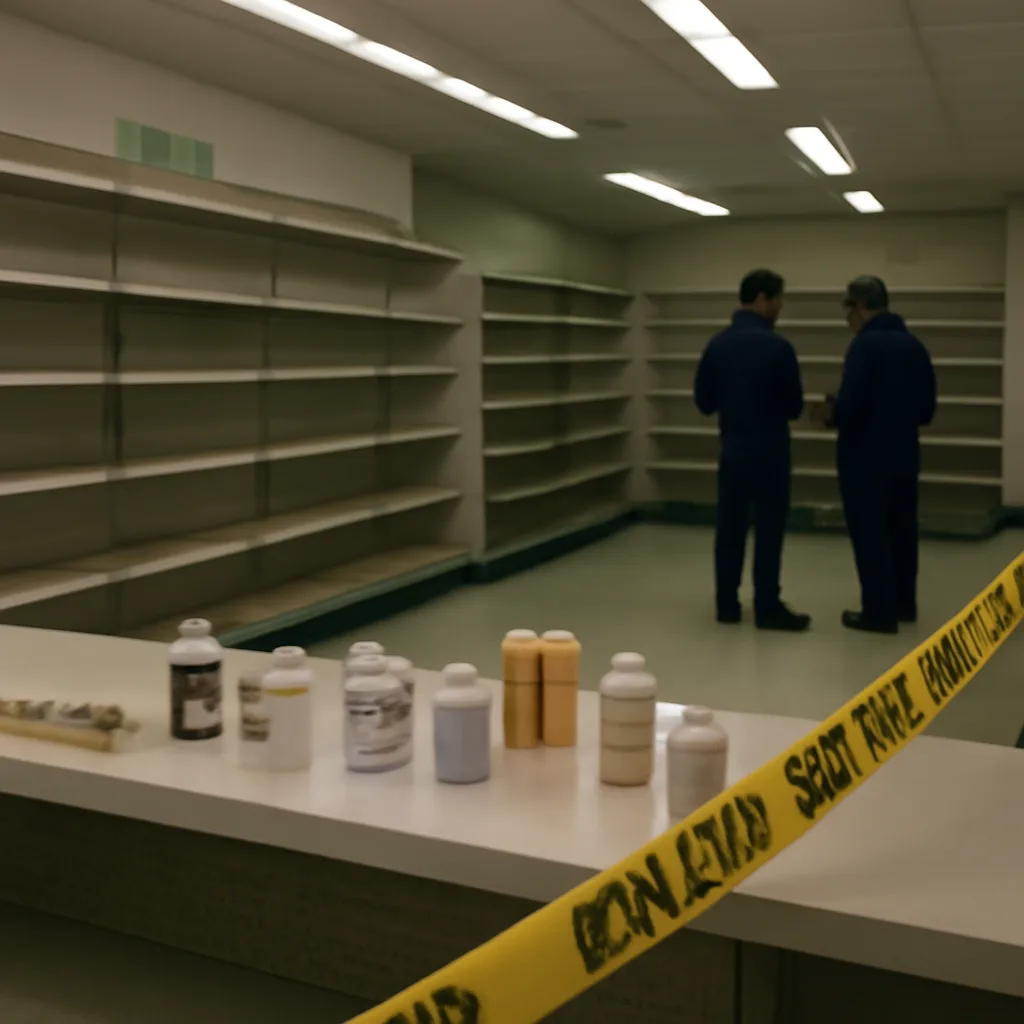
In early February 1982, seven people in the Chicago area died after taking cyanide-laced Extra-Strength Tylenol capsules, marking a landmark case of deliberate retail product tampering and mass poisoning in the United States.
First Confirmed Foodborne Botulism Outbreak, February 4, 1919

On February 4, 1919, medical authorities documented what is widely regarded as the first confirmed outbreak of foodborne botulism in the United States, linked to improperly processed canned food; the event prompted early public-health responses to canning safety.
1919: The First Confirmed Foodborne Botulism Outbreak in the United States

On February 4, 1919, health officials linked a cluster of paralytic illnesses to home-canned pork, producing the first widely accepted U.S. foodborne botulism outbreak tied to preserved meat; the event clarified risks of improper home canning and shaped later public-health guidance.
Pentagon Acknowledges Missing Radioactive Source from 1989

On Feb. 4, 1989, the Pentagon admitted that a small radioactive source used in military testing was unaccounted for, prompting limited searches and public concern about safety and recordkeeping.
FBI Acknowledges COINTELPRO Activities

On February 4, 1971, documents stolen from an FBI office and later publicized led to confirmation that the Bureau had conducted COINTELPRO operations—covert programs aimed at surveilling, infiltrating, and disrupting domestic political organizations during the 1950s–70s.
First Successful Blood Bank Established in 1937

On February 4, 1937, the world's first organized, publicly accessible blood bank began operation, establishing procedures for collection, storage, and transfusion that transformed medical care and emergency treatment.
Opening of the First Successful Blood Bank, February 4, 1937

On February 4, 1937, a functioning blood bank began regular collection, storage, and distribution of human blood for transfusion—marking a practical turning point in organized transfusion services despite earlier experimental efforts.
FDA Approves Prozac (fluoxetine) for Public Use

On Feb. 4, 1988, the U.S. Food and Drug Administration approved fluoxetine (Prozac) for the treatment of major depressive disorder, marking the first selective serotonin reuptake inhibitor (SSRI) to gain U.S. approval and beginning a shift in antidepressant prescribing.