On this day: June 12
Dock Ellis’ 1970 No-Hitter: A Hallucinatory Night at Shea Stadium
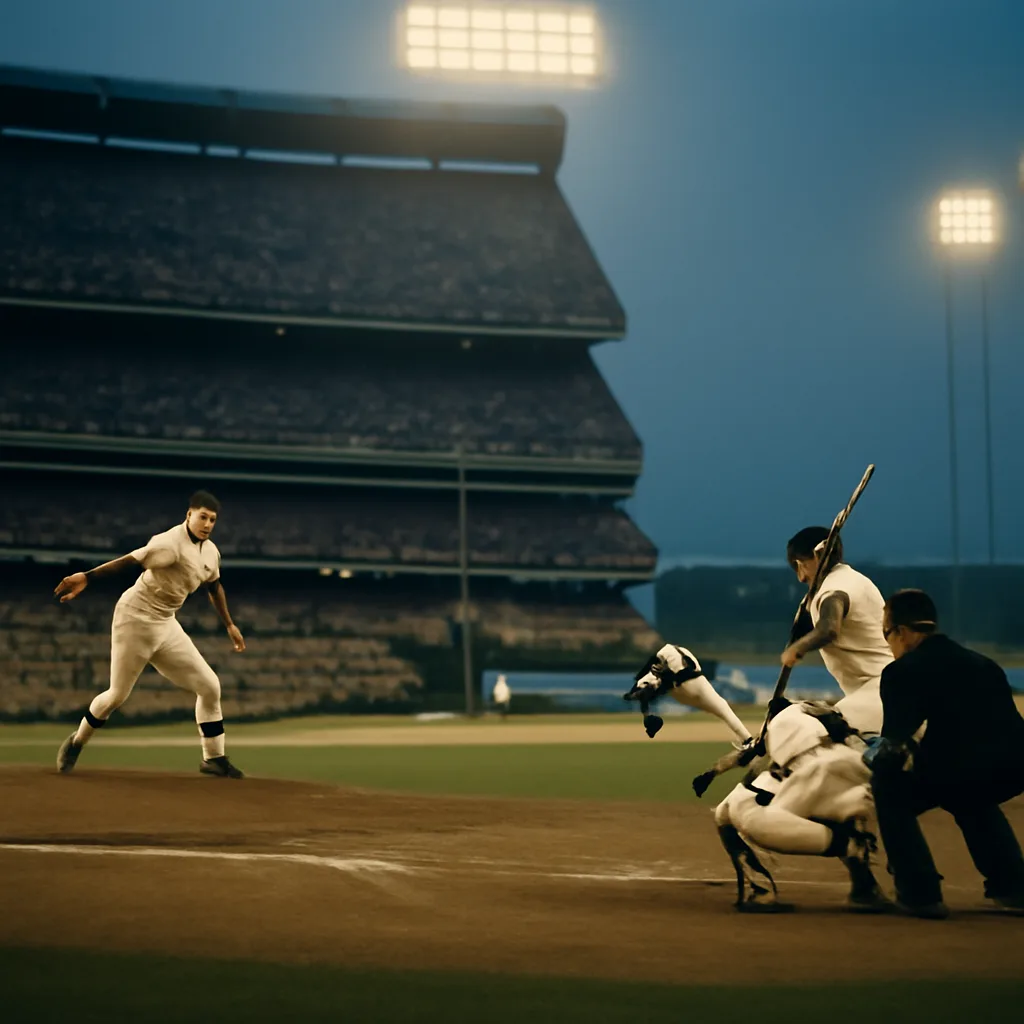
On June 12, 1970, Pittsburgh Pirates pitcher Dock Ellis threw a no-hitter against the San Diego Padres at Shea Stadium. Ellis later said he was under the influence of LSD during the game — a claim that has become a prominent, if disputed, part of his legacy.
June 12, 1944: First documented mass arrests tied to a U.S. religious cult movement

On June 12, 1944, law enforcement carried out one of the earliest documented mass arrests associated with a U.S. religious cult—an operation that marked a turning point in how authorities approached insular religious communities during wartime.
First modern lie detector test administered using a polygraph in 1921

On June 12, 1921, physiologist John A. Larson conducted what is widely considered the first modern polygraph test in Berkeley, California, using instruments to record respiration, blood pressure and pulse as indicators of deception.
Nelson Mandela Sentenced to Life in Prison at Rivonia Trial
In a landmark 1964 ruling, Nelson Mandela and fellow defendants were sentenced to life imprisonment after the Rivonia Trial in South Africa, a verdict that removed key leaders of the anti-apartheid movement from public life and intensified international attention on apartheid.
Nelson Mandela Sentenced to Life Imprisonment in Rivonia Trial
On June 12, 1964, Nelson Mandela and several co-defendants were sentenced to life imprisonment by a South African court after the Rivonia Trial, ending their bids to challenge apartheid through armed struggle and marking a pivotal moment in the anti-apartheid movement.
James Meredith Integrates the University of Mississippi
On June 12, 1962, James Meredith became the first Black student to enroll at the University of Mississippi after federal enforcement overcame violent resistance—an event that marked a pivotal confrontation in the civil rights movement over school desegregation.
Southdale Center opens as the first fully enclosed, climate-controlled modern shopping mall

On June 12, 1956, Southdale Center in Edina, Minnesota, designed by Victor Gruen, opened as the first fully enclosed, climate-controlled shopping mall in the United States, marking a shift in suburban retail design and American consumer culture.
On June 12, 1942: Anne Frank receives a red-and-white checkered autograph book she will use as a diary

On June 12, 1942, Anne Frank received an autograph book for her 13th birthday; within weeks she began using it as a diary that would become one of the best-known firsthand accounts of Jewish life in hiding during World War II.
Proposal of the first modern DNA fingerprinting technique
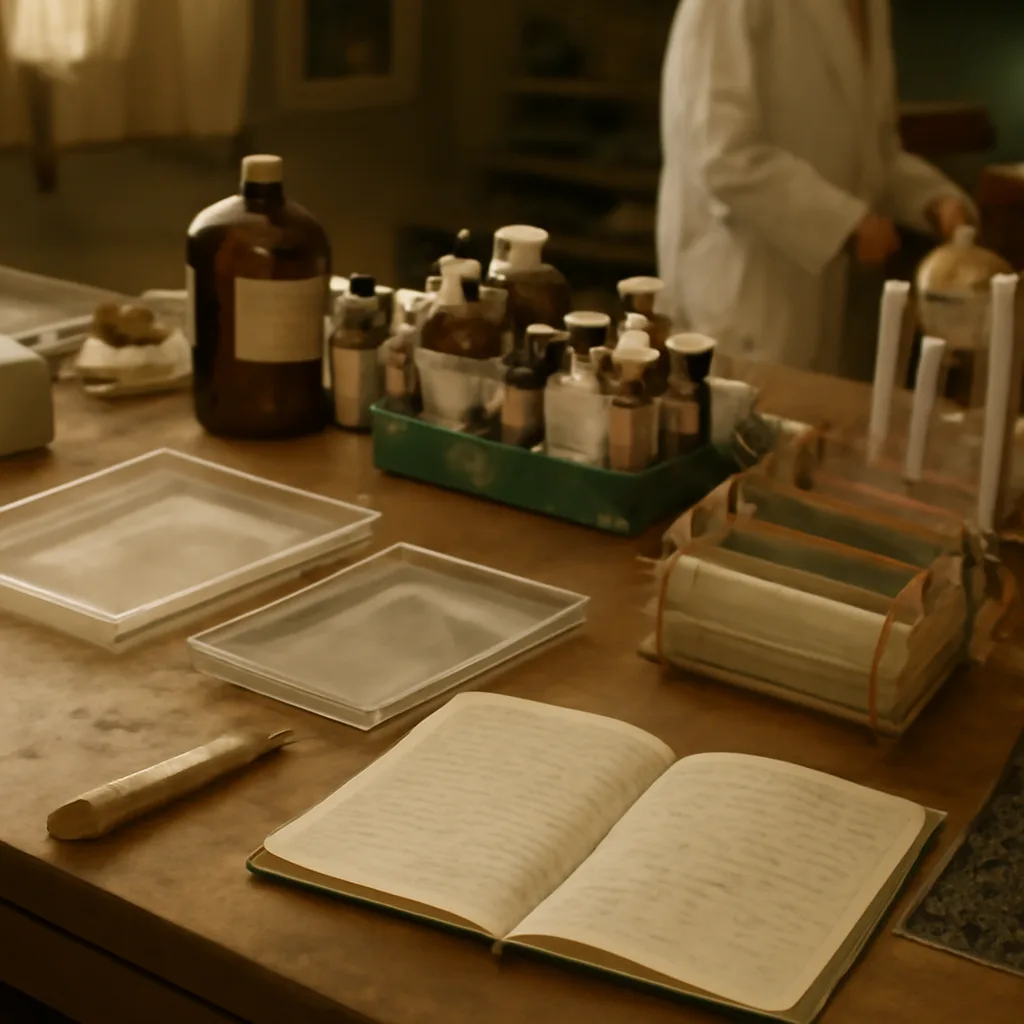
On June 12, 1984, British geneticist Alec Jeffreys proposed the first modern DNA fingerprinting technique, introducing a method to distinguish individuals using patterns of repetitive DNA — a development that transformed forensic identification and genetic relationships testing.