On this day: March 17
First successful submarine attack sinks a ship, March 17 (1864 disputed)
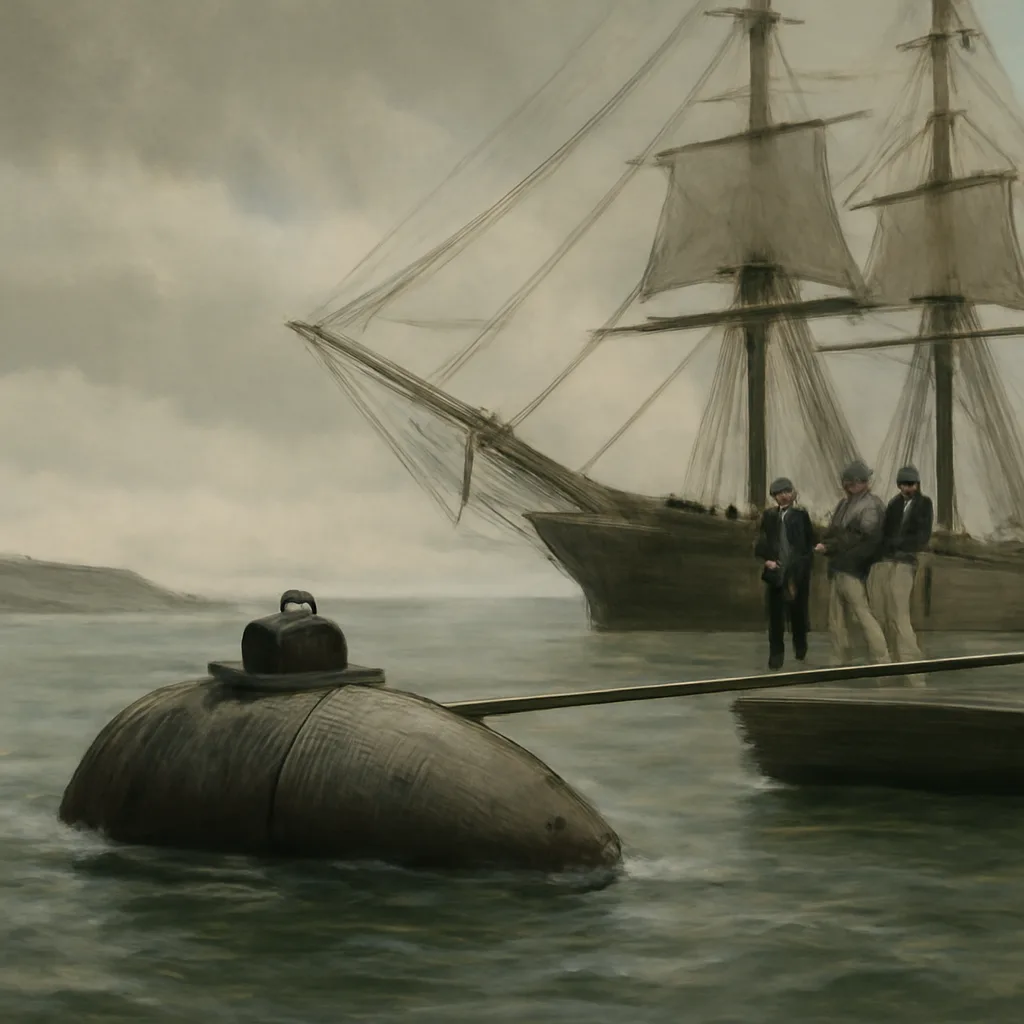
On March 17 — year commonly cited as 1864 but disputed in some sources — a pioneering submarine launched an explosive charge that sank an enemy vessel, marking an early milestone in underwater warfare history.
The 1883 Bradford Sweets Poisoning: Early British Mass Food Contamination

In March 1883 a batch of sweets produced in Bradford poisoned dozens, causing multiple deaths and highlighting gaps in Victorian food safety and local regulation.
The 1883 Bradford Sweets Poisoning: Early Large-Scale Food Contamination in Britain

On March 17, 1883, in Bradford, England, dozens of people fell ill after consuming sweets adulterated with toxic substances—one of the earliest well-documented mass poisonings linked to commercially sold foodstuffs in Britain.
March 17, 1901: First documented mass deaths linked to a patent medicine
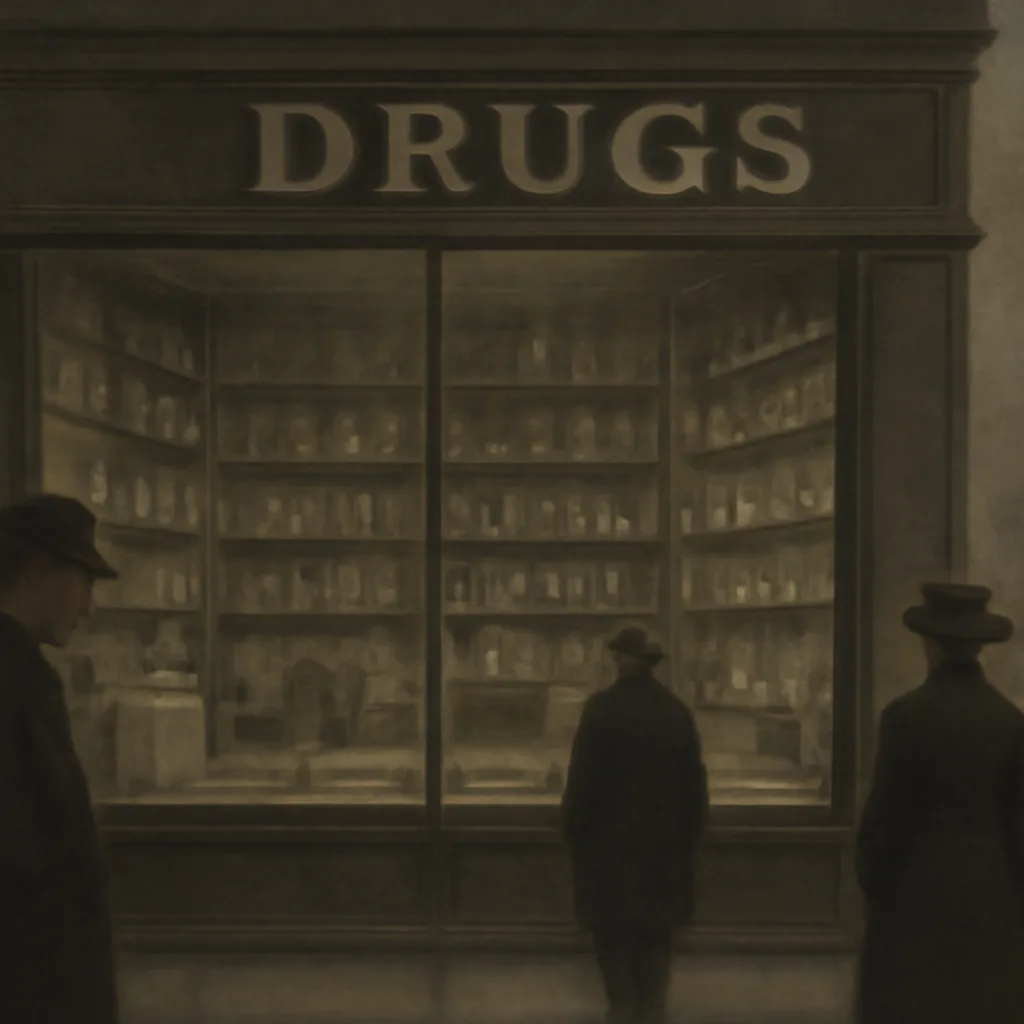
On March 17, 1901, a single incident tied to a commercial patent medicine led to multiple fatalities, prompting early public alarm about unregulated remedies and fueling calls for oversight of ingredients and labeling.
First Recorded Quarantine Enforcement in London, 17 March (Year Unspecified)

On 17 March—a date recorded in 17th-century accounts—London authorities enforced one of the earliest documented urban quarantine measures during a plague episode, restricting movement and isolating households to curb infection spread amid contested recordkeeping.
1933: The first documented deaths tied to a prescription weight-loss drug
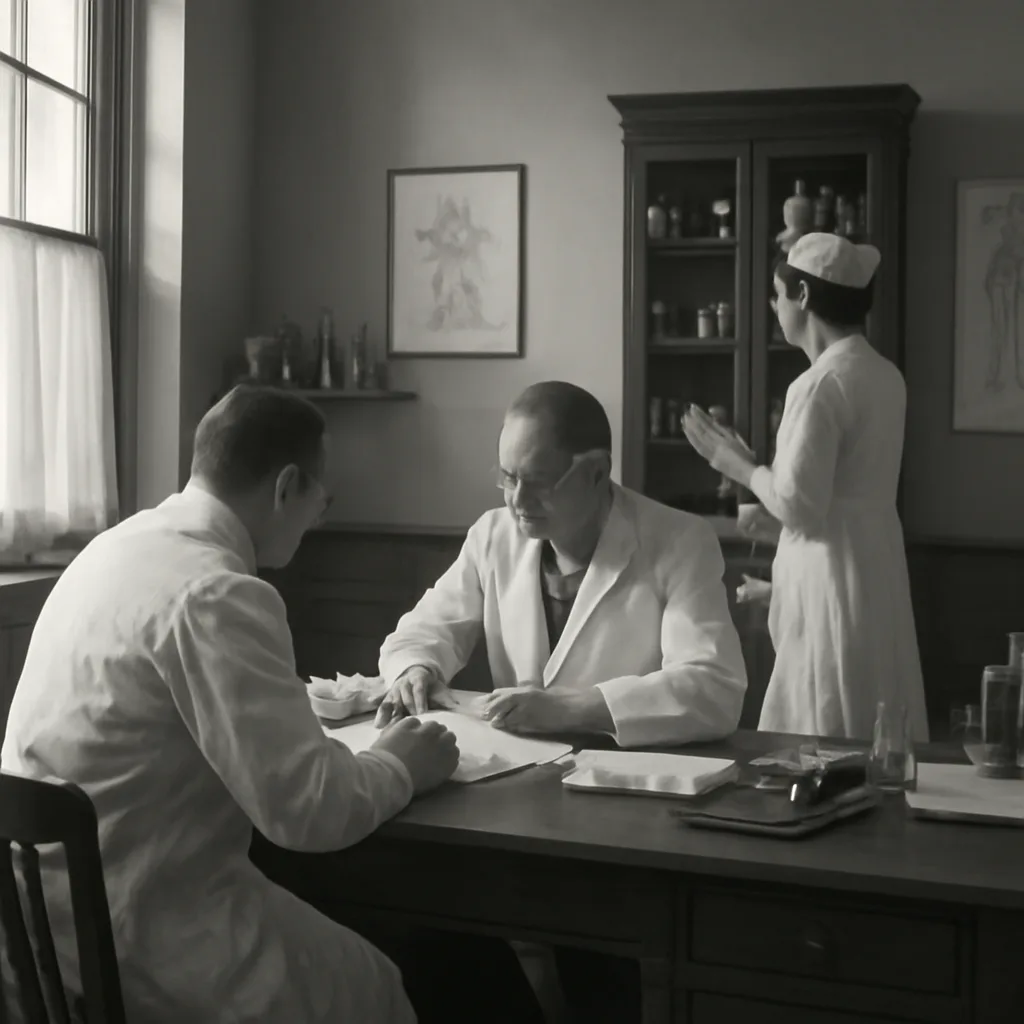
On March 17, 1933, physicians linked fatalities to a prescribed weight-loss medication—one of the earliest documented cases showing that slimming drugs could carry lethal risks, prompting scrutiny of pharmacological approaches to obesity.
First successful submarine attack sinks a ship in 1864
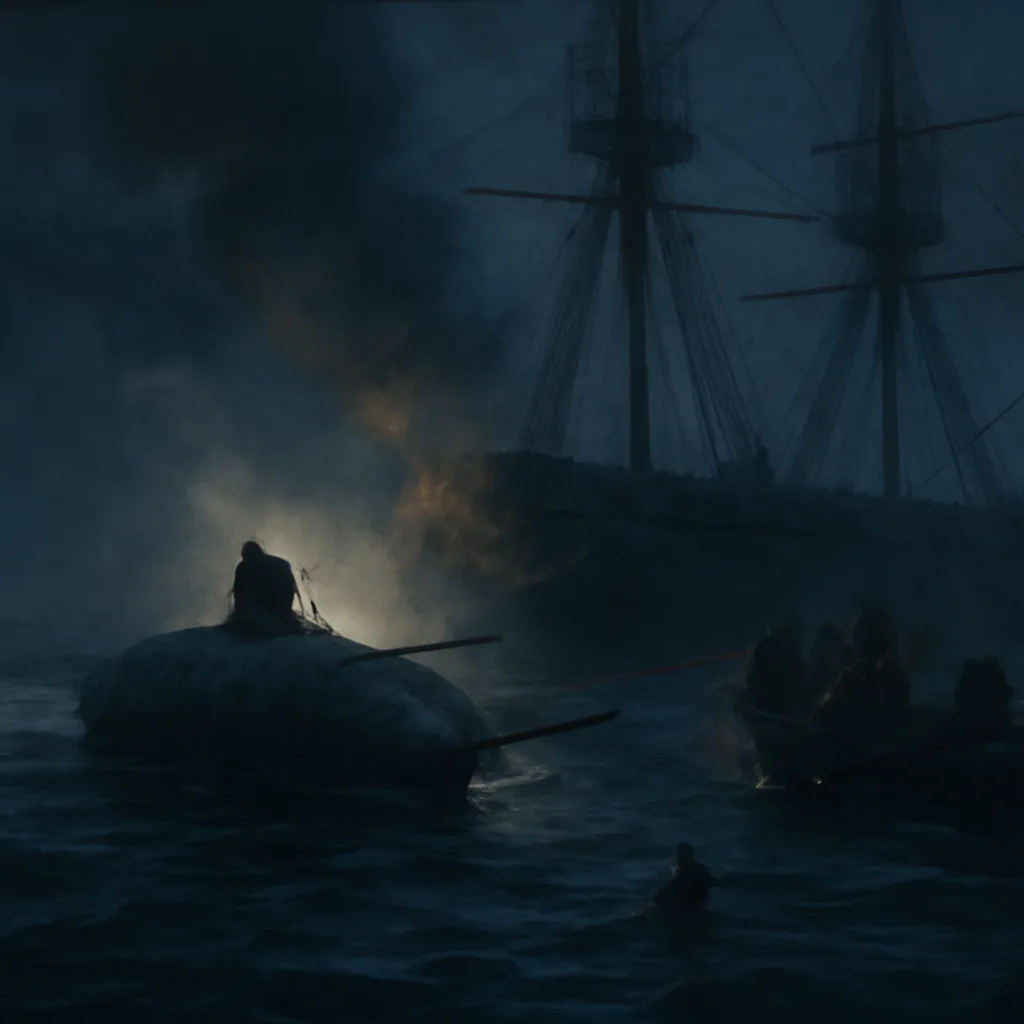
On March 17, 1864, during the U.S. Civil War, the Confederate submarine H. L. Hunley successfully attacked and sank the Union sloop USS Housatonic off Charleston harbor — the first time a submarine sank an enemy warship in combat, though the Hunley itself was lost soon after.
London's First Recorded Plague Quarantine Enforcement, 17 March 1665

On 17 March 1665, London authorities issued and enforced one of the earliest surviving municipal quarantine orders during the Great Plague, marking a decisive municipal intervention to isolate infected households and restrict movement to limit contagion.
World Health Authorities Declare 1918–20 Influenza Pandemic Over
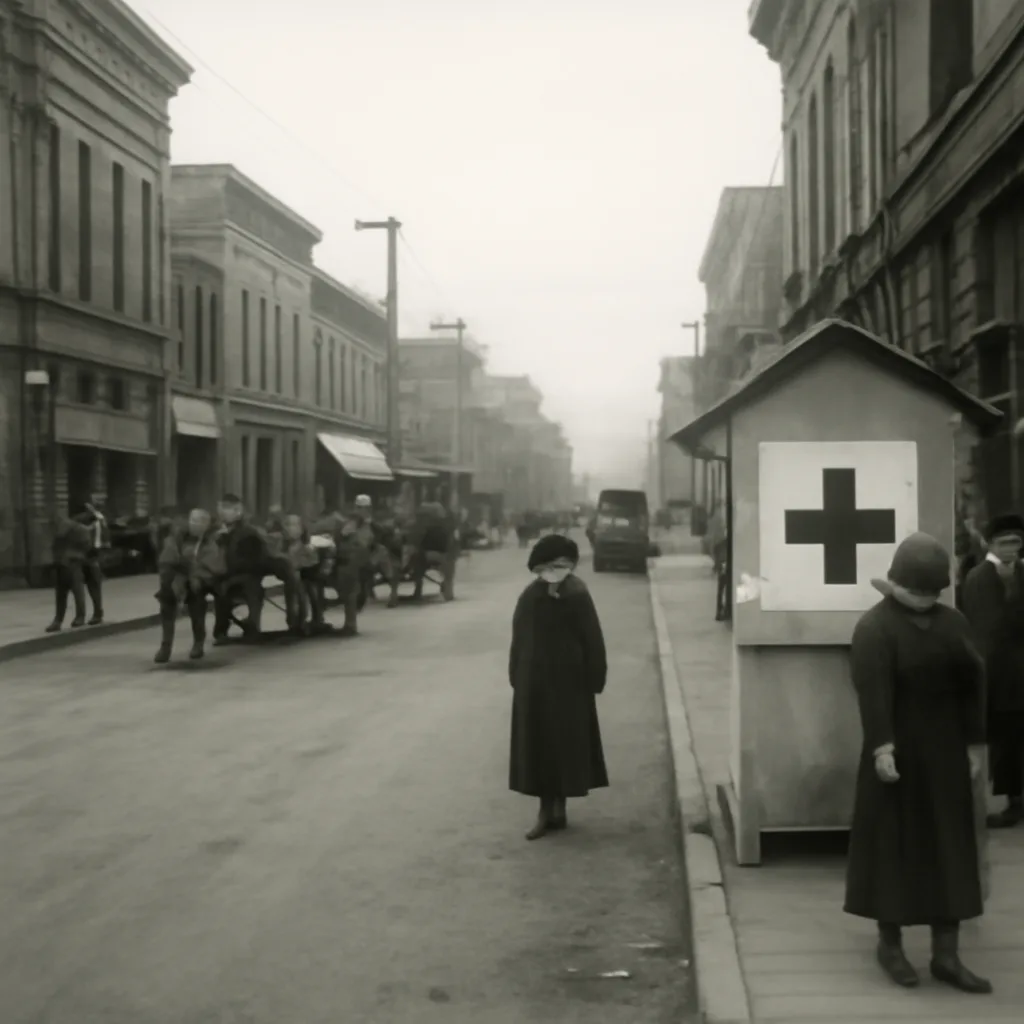
On March 17, 1920, public health officials in several countries recognized that the global influenza emergency associated with the 1918–20 pandemic had abated, as excess mortality fell to near‑prepandemic levels and large, sustained waves of new cases ceased.
Public Debut of the First Practical Color Photography Process, March 17, 1904

On March 17, 1904, a public demonstration showcased the first practical method for producing continuous-tone color photographs, marking a milestone in photographic technology and public awareness of color imaging.