On this day: March 23
First Public Demonstration of X‑Ray Technology, March 23, 1896
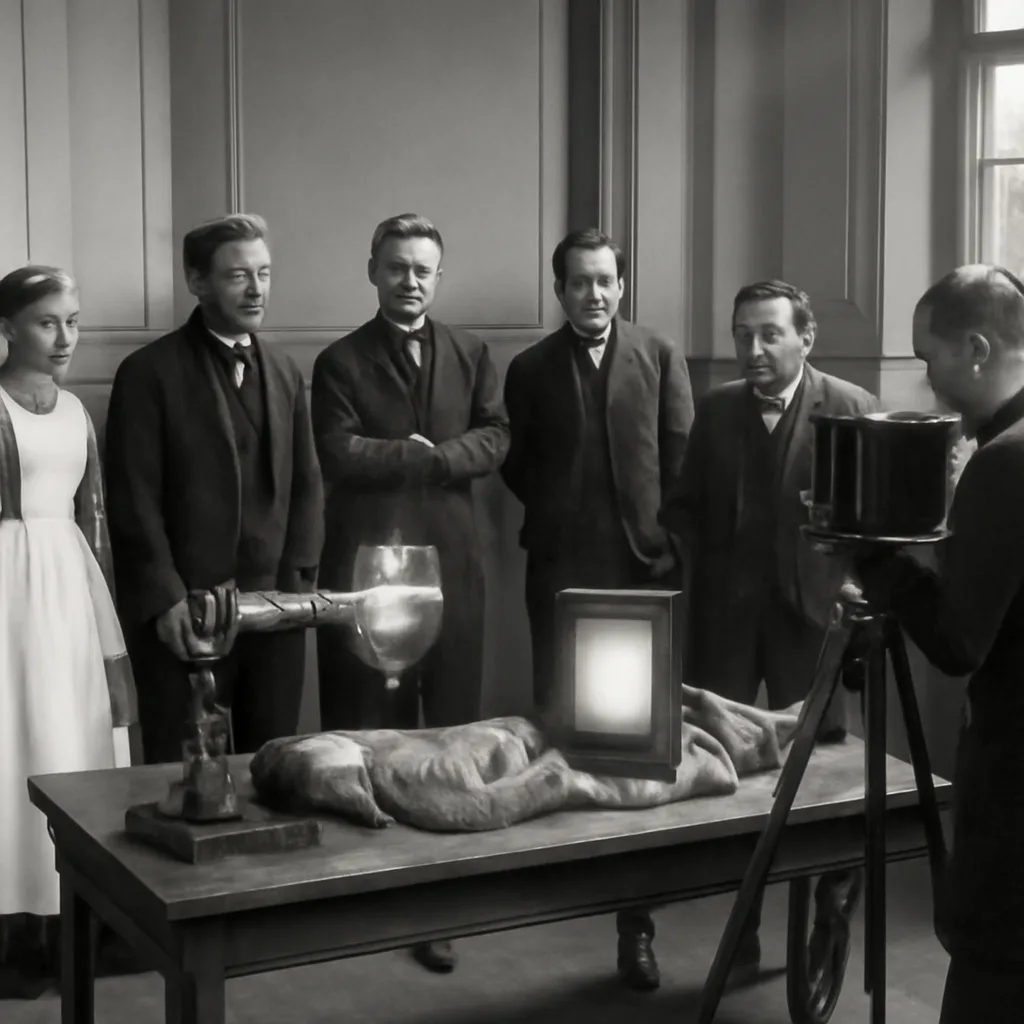
On 23 March 1896, shortly after Wilhelm Röntgen’s discovery, the first widely publicized public demonstration of X‑rays was held, showcasing the new rays’ ability to reveal bones and hidden objects and triggering rapid public and scientific interest.
Earliest Surviving Moon Photograph Made in 1840

In March 1840, French daguerreotypist and astronomer Louis Daguerre’s process was applied to lunar imaging, producing what is often cited as the earliest surviving photograph of the Moon—an important step in applying photography to scientific observation.
Reichstag Approves Enabling Act, Granting Hitler Powers to Govern by Decree

On 23 March 1933 the Reichstag passed the Enabling Act, giving the cabinet—effectively Adolf Hitler—authority to enact laws without parliamentary consent and marking a decisive step toward Nazi dictatorship.