
← Back
09/16/1960 • 5 views

1960 U-2 Incident Raises Cold War Nuclear Alarm
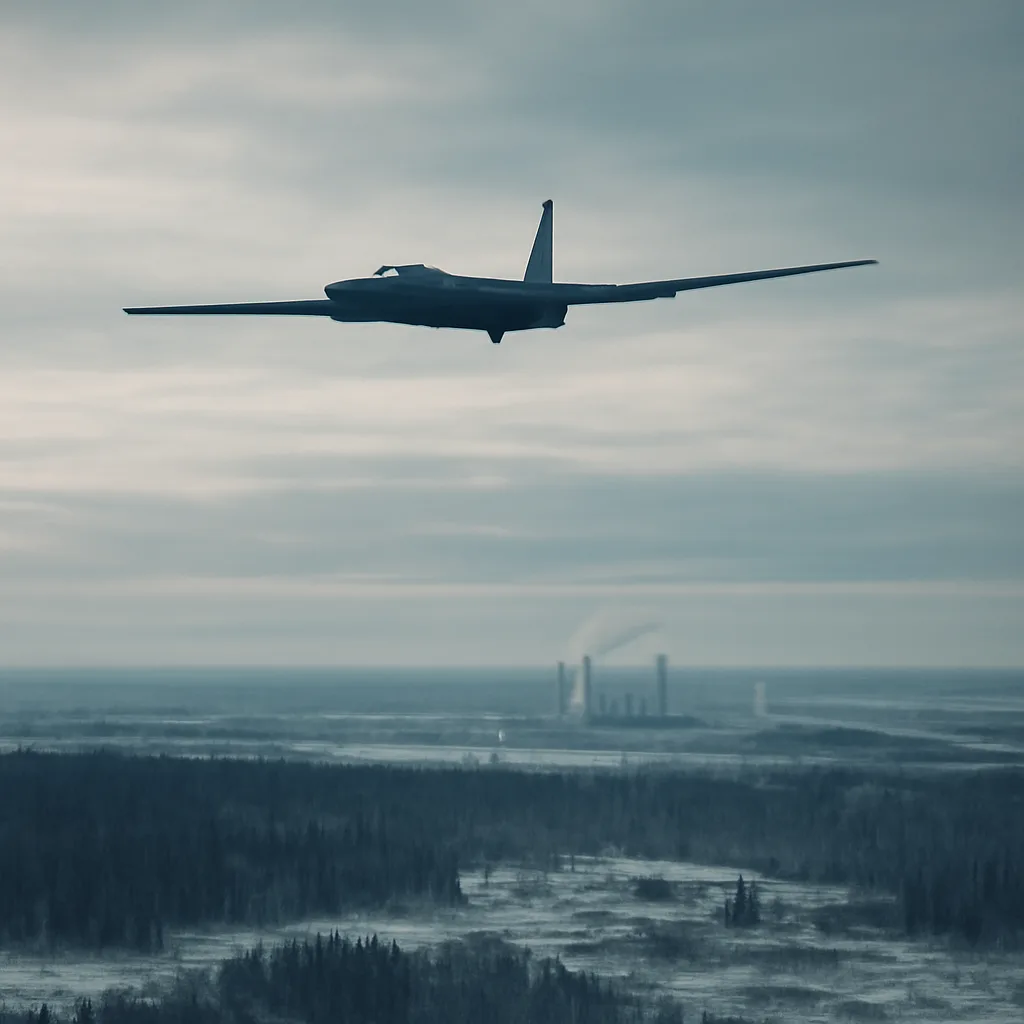
A high-altitude reconnaissance aircraft silhouette against a cold, overcast sky above vast Soviet-era landscapes; clouds and distant ground below convey height and isolation.

On September 16, 1960, an American U-2 reconnaissance plane was shot down over Soviet airspace, intensifying Cold War tensions and fears that aerial reconnaissance mishaps could escalate into nuclear confrontation.


On 16 September 1960, an American Lockheed U-2 spy plane flown by Francis Gary Powers was downed by Soviet anti-aircraft missiles near Sverdlovsk (now Yekaterinburg). The incident followed years of clandestine U-2 overflights designed to gather intelligence on Soviet military installations and nuclear capabilities. At the time, these flights were deniable by the United States, but the loss of the aircraft and capture of its pilot exposed the practice and created an international crisis.

The immediate diplomatic context was fraught. The U-2 shootdown occurred just days before a planned summit in Paris between President Dwight D. Eisenhower, Soviet Premier Nikita Khrushchev, British Prime Minister Harold Macmillan and French President Charles de Gaulle. Initially, U.S. officials attempted to portray the mission as a weather research flight, but the Soviets produced the captured pilot and parts of the plane, undermining that explanation. The exposure damaged U.S. credibility and led Khrushchev to withdraw from the summit, eroding a fragile avenue for managing Cold War competition.

Beyond the diplomatic fallout, the U-2 incident intensified mutual fear of inadvertent escalation between nuclear-armed adversaries. By 1960 both superpowers possessed large strategic arsenals and delivery systems; military planners and political leaders were acutely aware that miscalculation or an attack perceived as preparation for nuclear war could prompt catastrophic reprisals. A reconnaissance aircraft shot down over sovereign territory highlighted how intelligence operations, even when tactical in nature, could be interpreted as hostile acts or preludes to larger military moves. Analysts and officials worried that airspace violations or incidents involving surveillance could provoke retaliatory strikes, either by design or through chain-of-command confusion.

The U-2 affair thus sharpened debates in Washington and Moscow about rules of engagement, the limits of covert intelligence collection, and the need for clearer crisis communication channels. It contributed to a reconsideration of overt and covert reconnaissance methods; in subsequent years reconnaissance increasingly incorporated satellites, which offered surveillance without the same risk of pilots being captured. Nevertheless, the incident left an imprint on Cold War policymaking: leaders recognized that routine intelligence operations could become strategic flashpoints, and they sought mechanisms to reduce the risk that tactical incidents would spiral into general war.

Historically, the U-2 shootdown is often cited alongside other Cold War crises—such as the 1962 Cuban Missile Crisis—as moments when misperception and brinkmanship brought the superpowers close to direct confrontation. While the 1960 incident did not trigger nuclear exchange, it heightened public and official awareness of how fragile deterrence could be in an age of fast, visible military encounters. The episode also had political consequences at home: revelations about the flights stirred controversy in the United States over executive secrecy and the oversight of intelligence activities.

In sum, the September 16, 1960 U-2 incident exposed the dangers inherent in Cold War espionage. By converting a covert surveillance effort into an overt international incident, the shootdown amplified fears that an operational mishap could catalyze strategic escalation between nuclear-armed rivals, prompting changes in reconnaissance practice and crisis management that reverberated through subsequent decades.

Share this

Email Share on X Facebook Reddit

Did this surprise you?