
10/21/1967 • 4 views
Chicago Police Clash With Antiwar Demonstrators at October 1967 Rallies
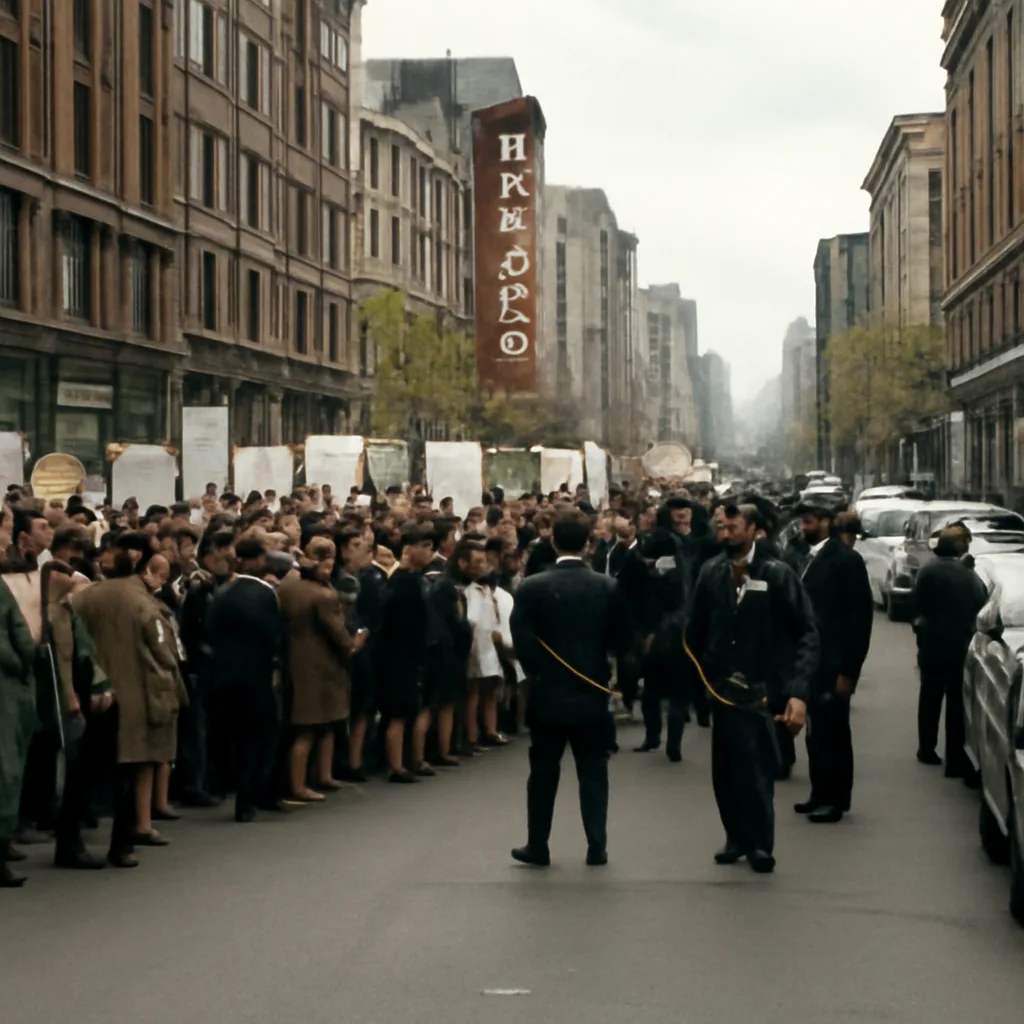
On October 21, 1967, thousands of anti–Vietnam War demonstrators in Chicago faced mass arrests and force by police following clashes near the Civic Center and Loop; the confrontations reflected mounting national tensions over the war and public protest tactics.
Organizers planned a series of demonstrations and civil-disobedience actions intended to dramatize opposition to the war and to urge political leaders to seek a negotiated end to U.S. involvement. Demonstrators assembled in multiple locations in downtown Chicago and attempted to march toward the city’s civic and commercial centers. Police prepared with large forces and crowd-control measures, citing concerns about disruptions to traffic and business and the need to maintain public order.
Tensions escalated when police ordered some marches to disperse and made arrests. Newspaper accounts and photographic records from the period show scuffles between officers and protesters, with police using clubs and mass arrests employed to clear streets. Several protesters and bystanders were reported injured; some demonstrators were charged with disorderly conduct or resisting arrest. Exact tallies of arrests and injuries vary across contemporary reports, and some details remain subject to differing accounts in archival sources.
The confrontations in Chicago reflected wider national debates about protest tactics and police responses. Supporters of the demonstrations argued that civil disobedience was necessary to draw attention to what they saw as an increasingly costly and unjust war. Local officials and business groups stressed the need for public safety and the protection of property and commerce. The Chicago clashes contributed to an intensifying atmosphere in which large-scale antiwar demonstrations and heavy-handed police responses became recurring features of the late 1960s.
Media coverage at the time carried images of officers and demonstrators in close struggle, which helped spur further discussion about policing methods, free speech, and the rights of assembly. Some activist groups criticized mainstream press coverage as selective; government and police spokespeople defended their actions as necessary responses to specific disruptions. Historians note that events like the October 21 clashes helped harden attitudes on both sides and set the stage for later, sometimes larger and more contentious confrontations in Chicago and other U.S. cities.
While the October 21 demonstrations did not produce immediate policy changes in Washington, they were part of a cumulative protest movement that influenced public opinion and the political environment surrounding the Vietnam War. Researchers consulting contemporary newspaper archives, police records, and participants’ accounts can find varying emphases and figures; where specifics differ among sources, those discrepancies are noted in scholarly treatments of the period.