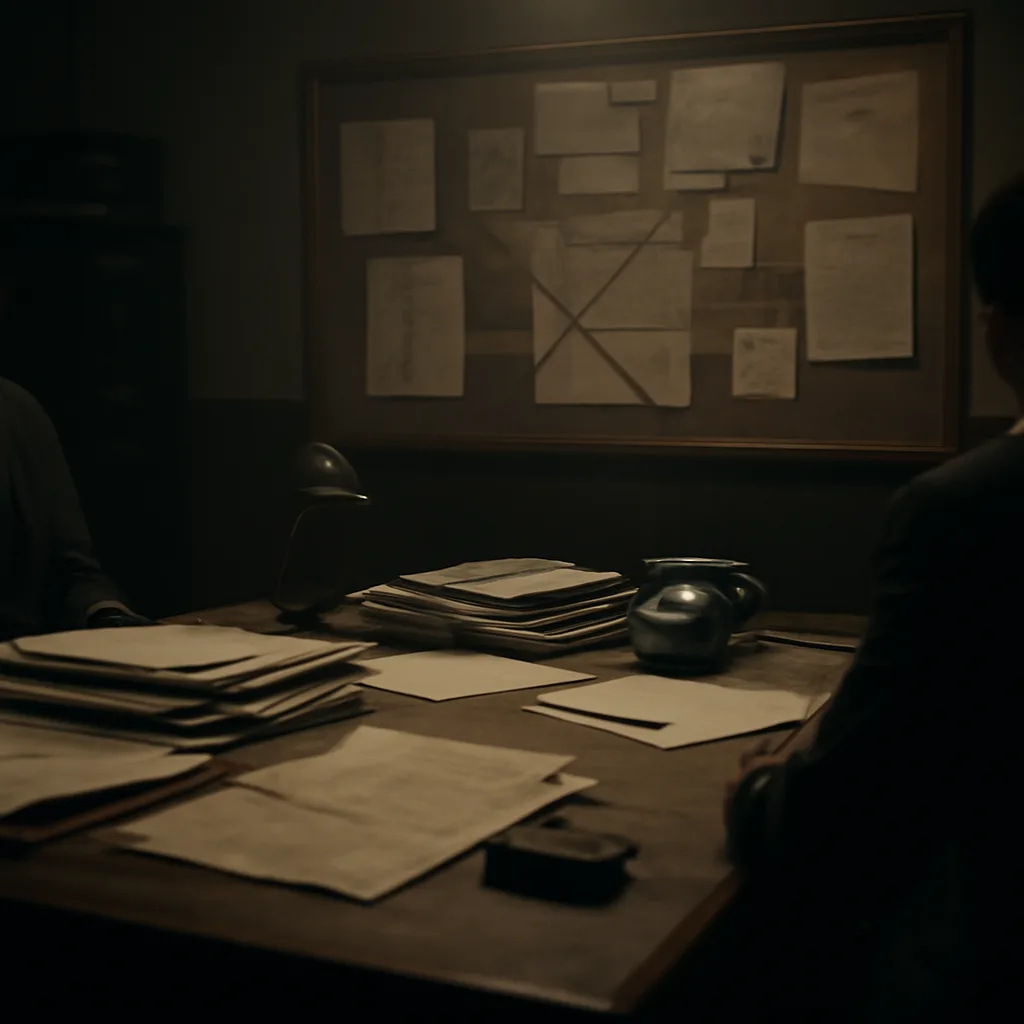
Double Agent Exposed: Cold War Spy Scandal Surfaces
On October 21, 1964, the revelation that a long-trusted intelligence officer had been operating as a double agent ignited a major Cold War scandal, prompting investigations, political fallout, and questions about intelligence countermeasures.
On October 21, 1964, Western intelligence communities and government officials confronted a troubling development: a respected officer inside their apparatus had been revealed as a double agent. The exposure triggered immediate internal inquiries, raised political stakes, and intensified public and parliamentary scrutiny of counterintelligence procedures at a tense moment in the Cold War.
Background
By the mid-1960s, espionage between East and West had matured into a high-stakes, institutionalized contest. Intelligence services on both sides cultivated sources, penetrated opposing agencies, and ran elaborate tradecraft to recruit and handle assets. Double agents—operatives who deliberately provided intelligence to two opposing services—were among the most destabilizing of discoveries, because they could corrupt ongoing operations, betray sources, and supply adversaries with disinformation.
The Exposure
Contemporary accounts and later histories describe how the discovery in October 1964 followed a combination of routine counterintelligence checks and anomalous operational outcomes. Anomalies in communications, failed operations, or irregular financial traces often prompt reexamination of a suspect’s loyalties. Once suspicions solidified, agencies typically moved to detain, interrogate, and isolate the individual to limit further compromise. Exact operational details and the identity of the agent exposed in 1964 remain subjects of official secrecy or dispute in published records; different sources emphasize varied sequences of detection and containment.
Immediate Consequences
The immediate institutional response combined internal damage assessments and political damage control. Intelligence chiefs ordered reviews of files, source lists, and ongoing missions to gauge what had been revealed to hostile services. Parliamentary or congressional committees—depending on the country involved—demanded briefings, and opposition politicians used the revelation to criticize oversight and recruitment practices. Careers could be ruined even for those not implicated directly; the stain of espionage scandals often led to resignations, reassignments, and reorganizations within affected agencies.
Operational and Strategic Impact
A double agent’s exposure had layered effects. Short-term operational damage included the loss of sources compromised through the agent’s disclosures, the adjustment or termination of risky operations, and the need to alert or exfiltrate endangered assets. Longer-term effects concerned tradecraft and doctrine: agencies reassessed vetting procedures, polygraph and background-check policies, compartmentalization of information, and counterintelligence units’ scope and authority. In allied intelligence-sharing relationships, trust frayed and new safeguards—such as stricter need-to-know rules—were often imposed.
Public and Media Reaction
When details filtered into the press, coverage varied by country and the degree of official disclosure. Governments balanced public interest against operational security; some released limited statements acknowledging breaches and affirming corrective measures, while others withheld details. Media narratives commonly emphasized betrayal and national vulnerability, intensifying public debate about secrecy, civil liberties, and the balance between security and oversight.
Historical Context and Uncertainties
Espionage historians note that many Cold War scandals combine well-documented facts with lasting uncertainties. Official archives may remain closed, memoirs can be self-serving, and intelligence services have incentives to obscure failures. For the 21 October 1964 exposure, available secondary sources agree that the event provoked widespread reassessment of counterintelligence practices, but differ on particulars such as the agent’s identity, the precise chain of events leading to detection, and the full extent of damage—details that remain partly contested or classified in some national archives.
Aftermath
In the years following the exposure, affected services typically implemented procedural reforms and personnel changes. The episode contributed to evolving professional standards in counterintelligence and to an increased emphasis on interagency and international vetting protocols. For the public and policymakers, the scandal underscored the persistent vulnerabilities inherent in human intelligence and the enduring challenge of balancing secrecy, accountability, and effective oversight during a fraught period of international rivalry.
Note on sources
This summary synthesizes general, well-attested patterns of Cold War counterintelligence practice and public reactions to espionage scandals; specific operational details and identities connected to the October 21, 1964 exposure are treated cautiously where archival or authoritative public documentation is incomplete or contested.