
04/25/1975 • 6 views
First Modern Skateboard Competition Held in 1975
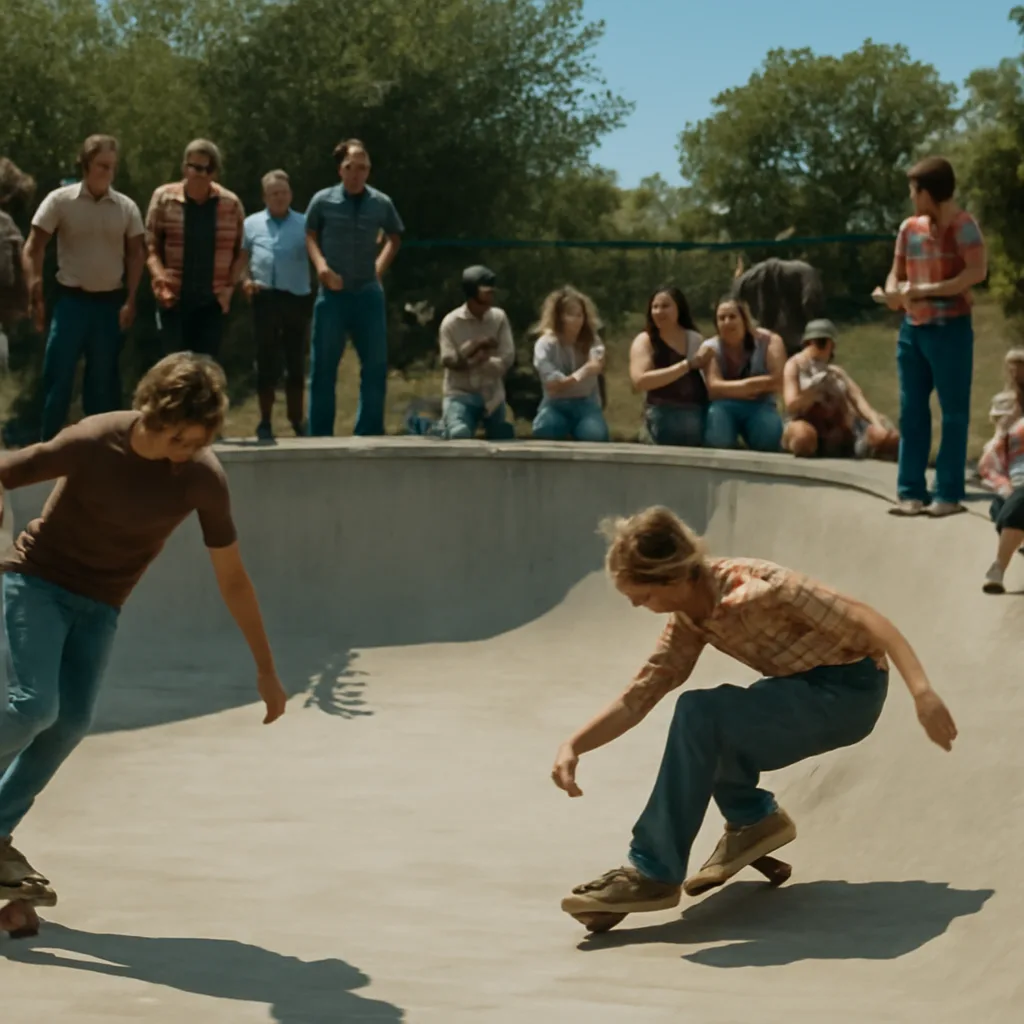
On April 25, 1975, a widely cited early modern skateboard contest took place, marking a shift toward organized competitive skateboarding tied to the 1970s resurgence of urethane wheels and new board designs.
The 1970s resurgence was driven by technological innovation and a renewed cultural interest. Urethane wheels—introduced commercially in the early 1970s—offered much better grip and shock absorption than the clay or metal wheels of the earlier era. Manufacturers also experimented with concave decks, kick tails and lighter constructions. These changes allowed riders to attempt turns, slides and aerials with more confidence, and they encouraged gatherings where skills could be compared and showcased.
Contests in this period varied widely in format and scale. Some were organized by fledgling skateboard companies or local shops to promote new products; others grew out of community gatherings at parks, empty pools or purpose-built skate facilities. Judging criteria were not yet standardized and often combined elements such as technical difficulty, style and consistency through timed runs or judged heats. Prize structures ranged from trophies and products to modest cash awards.
The April 25, 1975 event is notable because contemporaneous accounts and later histories cite it among the early instances where these modern elements—new equipment, defined competitive structure and an audience drawn specifically for skateboarding—converged. Historical records of early contests can be fragmentary: flyers, magazine coverage, shop archives and participants’ recollections form the bulk of available evidence, and details such as exact participant lists or standardized scoring methods are not always preserved.
This contest and others like it helped create a momentum that led to more organized, widely publicized competitions in the late 1970s and early 1980s, including pro tours, specialty magazine coverage and the eventual development of governing bodies and standardized rules. Those later developments solidified skateboarding’s identity as both a recreational subculture and a competitive sport.
Because primary sources from small, early events are uneven, historians note that claims about any single ‘‘first’’ skateboard competition depend on definitions—whether one emphasizes the presence of modern equipment, formal judging, commercial sponsorship, or publicity reach. The April 25, 1975 event remains an important milestone in that nuanced narrative: representative of the transition to the modern competitive skateboarding that followed.