
← Back
04/15/2013 • 8 views

Boston Marathon bombing shocks the world
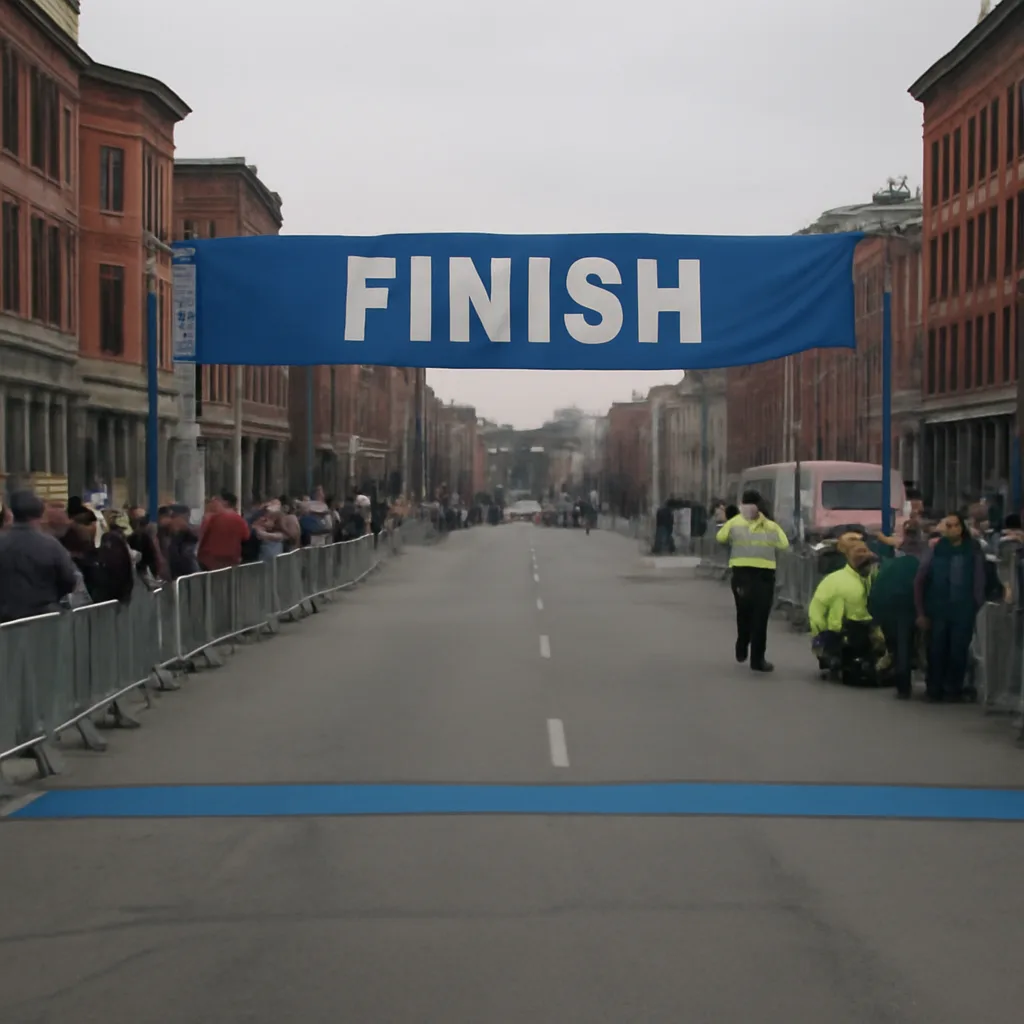
Finish-line area of a city marathon street with emergency responders and crowd-control barriers, empty lanes near the finish line and ambulances in the distance.

On April 15, 2013, two pressure-cooker bombs detonated near the finish line of the Boston Marathon, killing three people and injuring hundreds, while prompting a nationwide manhunt and renewed focus on public safety at mass events.


On the afternoon of April 15, 2013, the Boston Marathon — an annual event held on Patriots’ Day and one of the world’s oldest road races — was struck by two explosions near the finish line on Boylston Street. The blasts occurred about 12 seconds and roughly 210 yards apart in a crowded spectator area, shortly after many runners had completed the race. Three people were killed: an eight-year-old boy, a woman who succumbed to her injuries the following day, and an MIT police officer who died days later from wounds sustained in a related shootout. Hundreds of other people sustained injuries, including traumatic amputations and shrapnel wounds; more than a dozen required limb amputations.

Emergency responders, bystanders and medical personnel reacted quickly, providing first aid and transporting the injured to nearby hospitals. The scale of casualties and the visible chaos near the finish line drew intense media attention worldwide. Local authorities cordoned off the area and launched a large criminal investigation. Surveillance footage and photos taken by spectators proved crucial in identifying suspects.

Within days, investigators focused on two brothers, Dzhokhar and Tamerlan Tsarnaev, who had placed the improvised explosive devices in backpacks near the race finish. Law enforcement publicly released images and video of the men; a shootout and vehicle pursuit in the Boston suburb of Watertown followed, during which Tamerlan Tsarnaev was killed and an MIT police officer was fatally shot. Dzhokhar Tsarnaev was captured alive after a massive manhunt that included a temporary lockdown of parts of Boston and surrounding communities. He was later tried, convicted on multiple counts including use of a weapon of mass destruction and first-degree murder, and initially sentenced to death; that sentence was overturned on appeal and then reinstated in subsequent judicial proceedings (the legal history includes contested rulings and appeals).

The attacks prompted immediate and longer-term responses. Security at public events nationwide was heightened, with law enforcement reviewing protocols for mass gatherings, bomb threat detection and inter-agency coordination. The bombing also accelerated public discussion about emergency medical preparedness, including the benefits of rapid hemorrhage control, tourniquet use, and the role of bystanders in providing lifesaving care before ambulance arrival.

The incident had a broad social and political impact. Boston and wider communities engaged in displays of solidarity, including memorial vigils and campaigns supporting survivors and first responders. Legal and policy debates followed regarding domestic terrorism, surveillance, immigration, and the treatment of suspects in criminal proceedings. Survivors and families of victims sought compensation and longer-term medical and psychological support, and advocacy groups pushed for improved victim assistance programs.

The Boston Marathon bombing remains a significant event in recent U.S. history, notable for its impact on public safety practices at large events, its demonstration of the investigative value of digital and crowd-sourced imagery, and the legal complexities that followed the criminal prosecutions. Some details of the legal appeals and ongoing civil litigation have evolved over time.

Share this

Email Share on X Facebook Reddit

Did this surprise you?