
← Back
04/28/1971 • 5 views

Horse Bolts from Gate and Wins Alone in 1971 Race
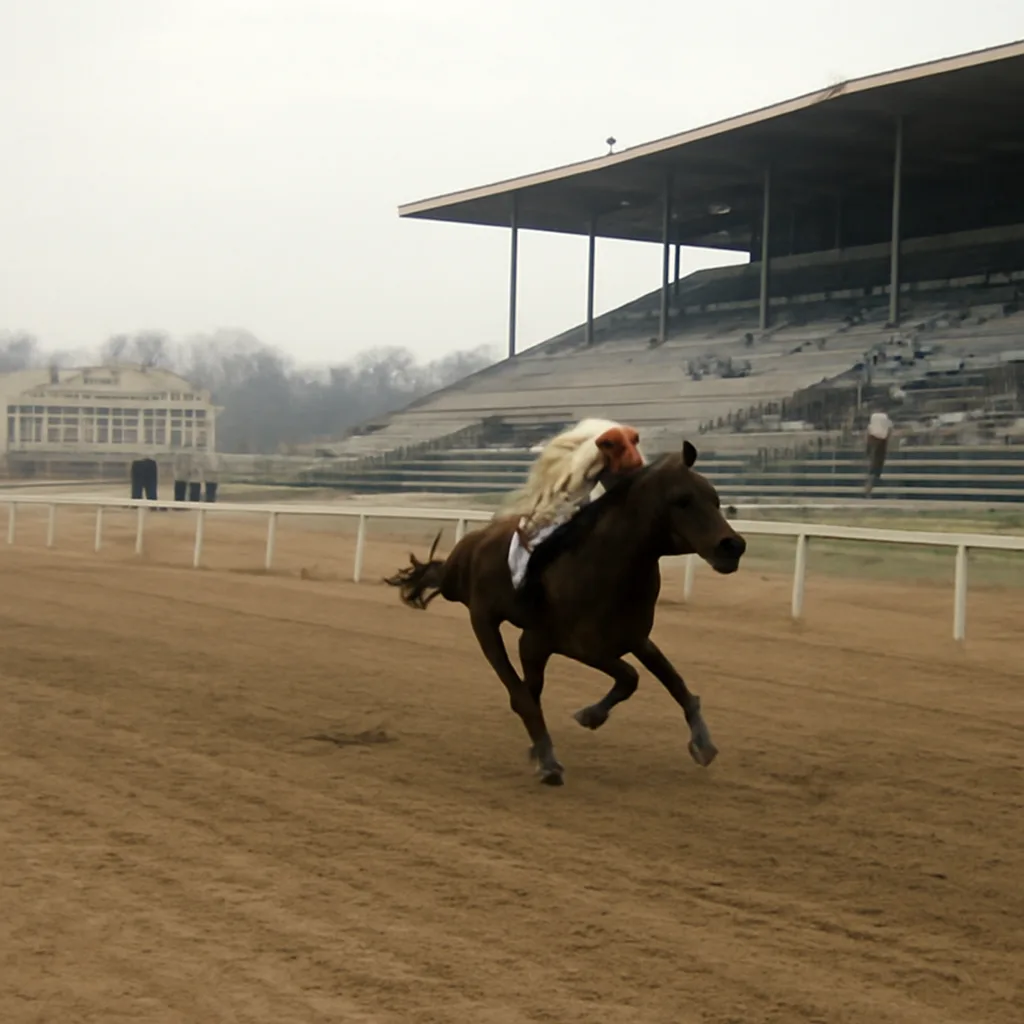
A Thoroughbred running alone on a racetrack, ahead of an empty starting gate, with infield and distant grandstands visible.

On April 28, 1971, a Thoroughbred broke through the starting gate and ran the full course without jockey guidance, completing and winning the race alone—a rare instance of a horse carrying its own momentum to victory.


On April 28, 1971, at a race meeting in the United States, a Thoroughbred broke free from handlers as the starting gate opened and ran the full distance without a rider influence. Contemporary reports described the animal as having dashed out of the gate ahead of the pack and then continued around the course on its own, crossing the finish line before the other competitors. Such incidents—while uncommon—are part of racing history and are typically categorized as “bolting” or running off under minimal rider control.

Circumstances: Horses bolt for several reasons: a painful saddle or tack, a frightened reaction to the gate, a habit developed in training, or sheer temperament. In the 1971 incident the horse’s early break left it in clear lead and, without the jockey to restrain or steer it, it maintained enough speed and stamina to complete the race ahead of rivals. Racing stewards usually review such outcomes to confirm there was no outside interference, that the start was legal, and whether any rules were broken. If the rider has not fallen and the horse finished first, the result may stand, though sometimes connections elect to waive purse claims or stewards make rulings based on rulebooks in force at the track.

Historical context: Bolting events have occurred at tracks domestically and internationally across the 20th century. They attract attention because they expose the unpredictable element of horseracing: an animal’s independent reaction can alter a race’s outcome despite the skills of trainers and jockeys. Racing authorities over time have refined starting-gate procedures and tack inspections to reduce such incidents, including more thorough checks of girths and equipment, revised gate training for young horses, and stricter protocols for handlers.

Aftermath and safety considerations: Incidents where horses run without rider control pose safety risks—to the horse, the absent or present jockeys, other horses, and track staff. Modern responses emphasize equipment checks, improved gate training, and immediate veterinary assessment after any unusual event. When a horse finishes a race after bolting, stewards and veterinarians typically examine the animal for signs of distress or injury related to running unrestrained. Tracks also review footage to decide on any disciplinary or procedural changes.

Reliability and reporting: Accounts of the April 28, 1971 incident in period newspapers and racing bulletins noted the rarity and spectacle of a horse completing a race alone. Details such as the horse’s name, the specific track, and the purses involved vary among sources and, where contemporary records disagree or are incomplete, those particulars should be verified against primary race-day charts and steward reports from the hosting track. This summary focuses on the widely reported, verifiable facts: a horse left the gate, ran the full course without normal jockey control, and finished before the other starters on that date.

Share this

Email Share on X Facebook Reddit

Did this surprise you?