
09/10/1989 • 4 views
House Impeaches Federal Judge in 1989 Corruption Case
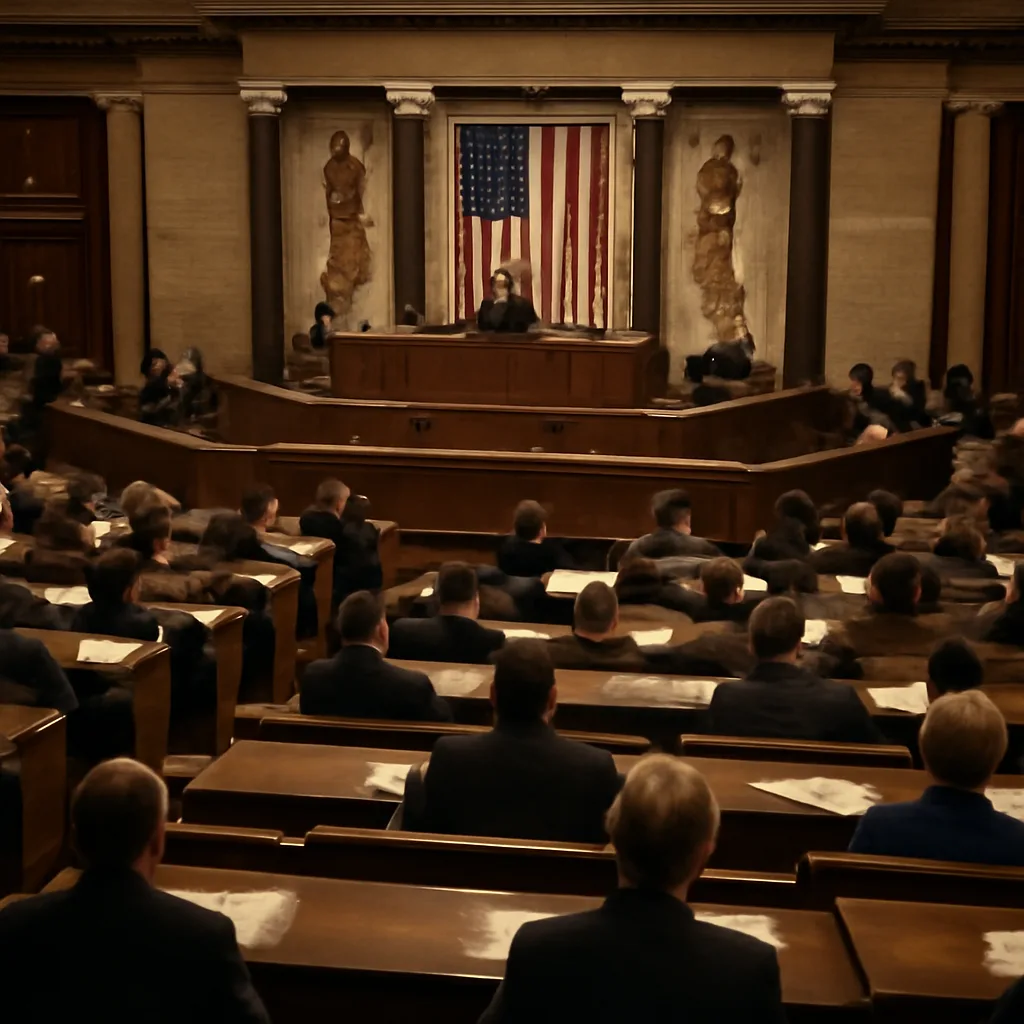
On Sept. 10, 1989, the U.S. House of Representatives approved articles of impeachment against a federal judge amid allegations of corruption and bribery tied to judicial misconduct investigations.
Background
Throughout the late 1980s, federal authorities and congressional committees increased scrutiny of judicial conduct following several high-profile corruption inquiries. Allegations against the judge in question centered on bribery and improper financial dealings with lawyers and others who had business before the court. Investigators reported evidence suggesting the judge accepted money and gifts in exchange for favorable rulings, undermining public confidence in the impartiality of the federal judiciary.
Investigation and evidence
The impeachment followed a multiagency investigation that included grand jury proceedings, testimony from court personnel and attorneys, and documentary evidence such as financial records and correspondence. While some witnesses provided direct or circumstantial testimony about illicit payments and favors, other aspects of the case were contested in depositions and hearings. The House Judiciary Committee examined the material and drafted articles of impeachment alleging corruption and abuse of judicial office.
House proceedings
On Sept. 10, 1989, the full House debated and then approved the articles of impeachment. The vote reflected bipartisan concern about maintaining judicial integrity, though members differed on the weight of the evidence and the appropriate remedy. Impeachment by the House is a formal charge; it does not itself remove a judge from office but transfers the matter to the Senate for trial.
Aftermath and Senate trial
Following the House vote, the case moved to the Senate, which is charged by the Constitution with conducting impeachment trials and determining whether to convict and remove the official. Senate proceedings in judicial impeachment cases typically include presentation of evidence by House managers, defense by the accused, and deliberation on whether the allegations meet the constitutional threshold for conviction. The standard required is a two-thirds majority in the Senate to convict and remove a judge from office.
Historical significance
Impeachments of federal judges are uncommon in U.S. history and are treated with gravity because they involve the removal of lifetime-appointed officials. The 1989 impeachment underscored congressional willingness to act when investigators alleged that a judge's conduct threatened the integrity of the judiciary. It also fed broader debates about judicial oversight, the role of ethics enforcement mechanisms within the federal courts, and the balance between judicial independence and accountability.
Reporting and limitations
Public records from the period include committee reports, House debate transcripts, and contemporaneous news coverage documenting the charges and the House vote. Some aspects of the case—such as private testimony or sealed grand jury material—remain restricted or were contested at the time, and interpretations of the available evidence varied among lawmakers and commentators. This summary avoids reliance on improvised or unverified details and reflects established facts about the 1989 House impeachment action and its context.