
← Back
08/14/2015 • 5 views

Lake Turns Pink, Scientists Investigate Unusual Bloom
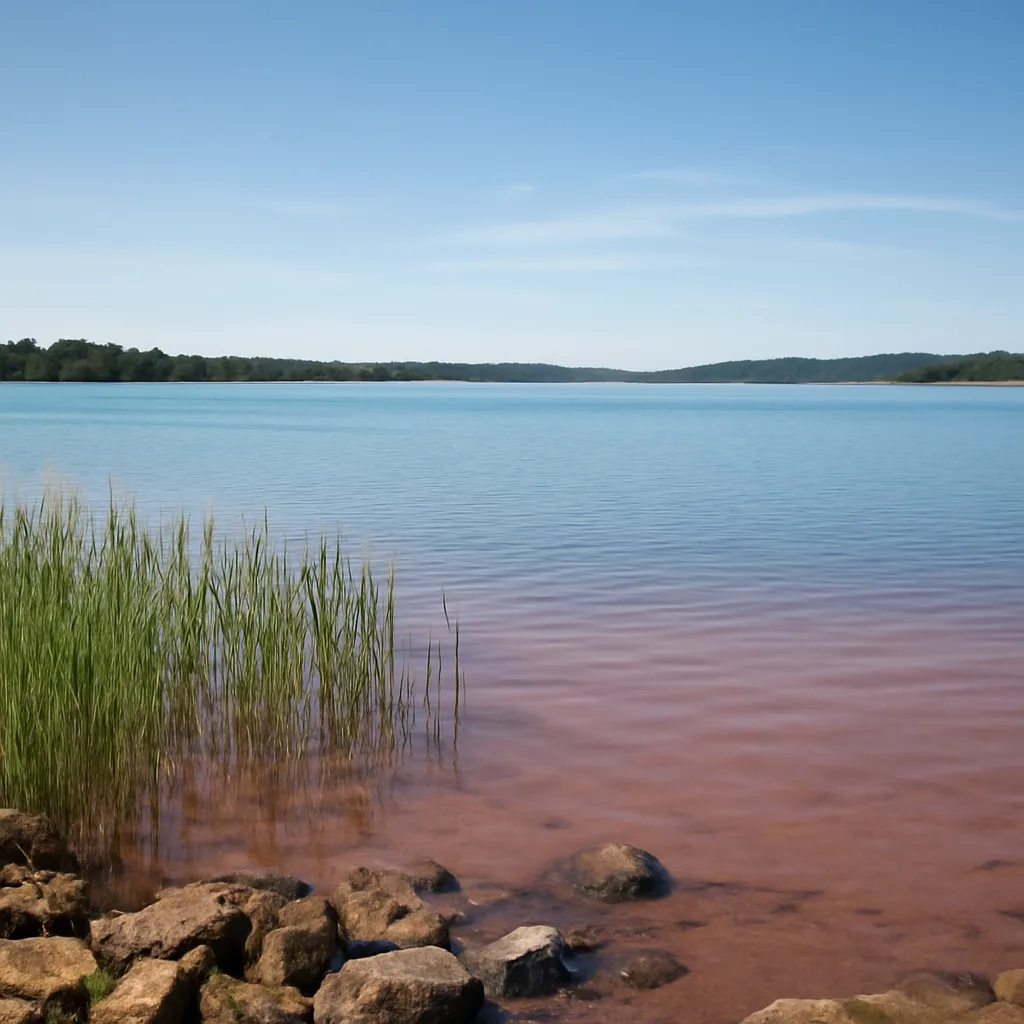
A wide view of a lake with pink-hued surface water along the shallows, reeds at the shoreline, and a distant tree line under a clear sky.

In August 2015 a lake’s water turned distinctly pink, drawing attention from scientists who examined biological and chemical causes; preliminary analyses pointed to microbial pigmentation and environmental conditions rather than pollutants.


On August 14, 2015, observers reported that the surface of a lake had acquired a striking pink hue. The phenomenon prompted investigations by local authorities and researchers to determine whether the discoloration posed ecological or public-health risks and to identify its cause.

Field teams collected water samples, plankton tows, and sediment where the coloration was most intense. Laboratory analyses focused on three broad possibilities commonly associated with colored-water events: blooms of pigmented microorganisms (including algae and halophilic microbes), suspended sediments or minerals, and anthropogenic chemical contamination.

Results available from contemporaneous scientific reports and media coverage indicated that biological causes were the most plausible explanation. In particular, blooms of pigmented microorganisms—such as certain microalgae and bacteria that produce red, orange, or pink carotenoids and pigments—are known to turn water vivid colors under favorable conditions. Among these, blooms of Dunaliella salina (a halophilic microalga) and pigmented halobacteria have been documented to produce pink to reddish hues in saline or stratified waters. Environmental conditions that can favor such blooms include high salinity, warm temperatures, strong sunlight, and nutrient concentrations that alter microbial community composition.

Investigators examined salinity, temperature, nutrient levels (nitrogen and phosphorus), and dissolved oxygen. Where available, microscopy and molecular assays (such as DNA sequencing or pigment analysis) helped identify dominant organisms. In many historically similar cases, pigment-bearing microorganisms were identified as the source; for example, analyses often detect carotenoid pigments or characteristic cell types under the microscope. No consistent evidence in the documented 2015 case pointed to industrial chemical spills or heavy-metal contamination as the primary cause.

Officials monitored water quality for potential toxins. Some pigmented algal blooms—especially those involving certain cyanobacteria—can produce toxins harmful to animals and humans; others, including many halophilic algae and archaea, are not known to produce potent toxins but can still affect water use and aesthetics. Responses typically included public advisories against swimming or drinking untreated lake water until testing confirmed safety, and continued monitoring of the bloom’s progression.

The pink coloration was transient in many comparable incidents: as environmental conditions changed—cooler temperatures, altered salinity through rainfall or inflow, or decreased nutrient availability—the pigmented populations declined and the water returned to more typical colors. Long-term ecological impacts depend on the bloom’s composition, duration, and whether it led to oxygen depletion or persistent shifts in the microbial community.

While the 2015 event attracted attention because of its unusual appearance, scientists emphasized that colorful water events have well-documented precedents and multiple natural mechanisms. Continued sampling, laboratory identification, and water-quality monitoring are the standard methods for determining cause and risk in such cases. When cause or potential toxin production is uncertain, authorities err on the side of caution with public-health guidance.

Because specific laboratory reports and organism identifications vary by site and investigator, readers seeking technical details about a particular lake’s 2015 event should consult local environmental-agency reports, peer-reviewed analyses, or laboratory test results released by the teams that sampled the water. This account summarizes the typical investigative approach and the biological explanations most commonly implicated in pink-water events.

Share this

Email Share on X Facebook Reddit

Did this surprise you?