
← Back
09/13/1998 • 9 views

Las Vegas Hotel Demolition Mistakenly Levels the Wrong Building
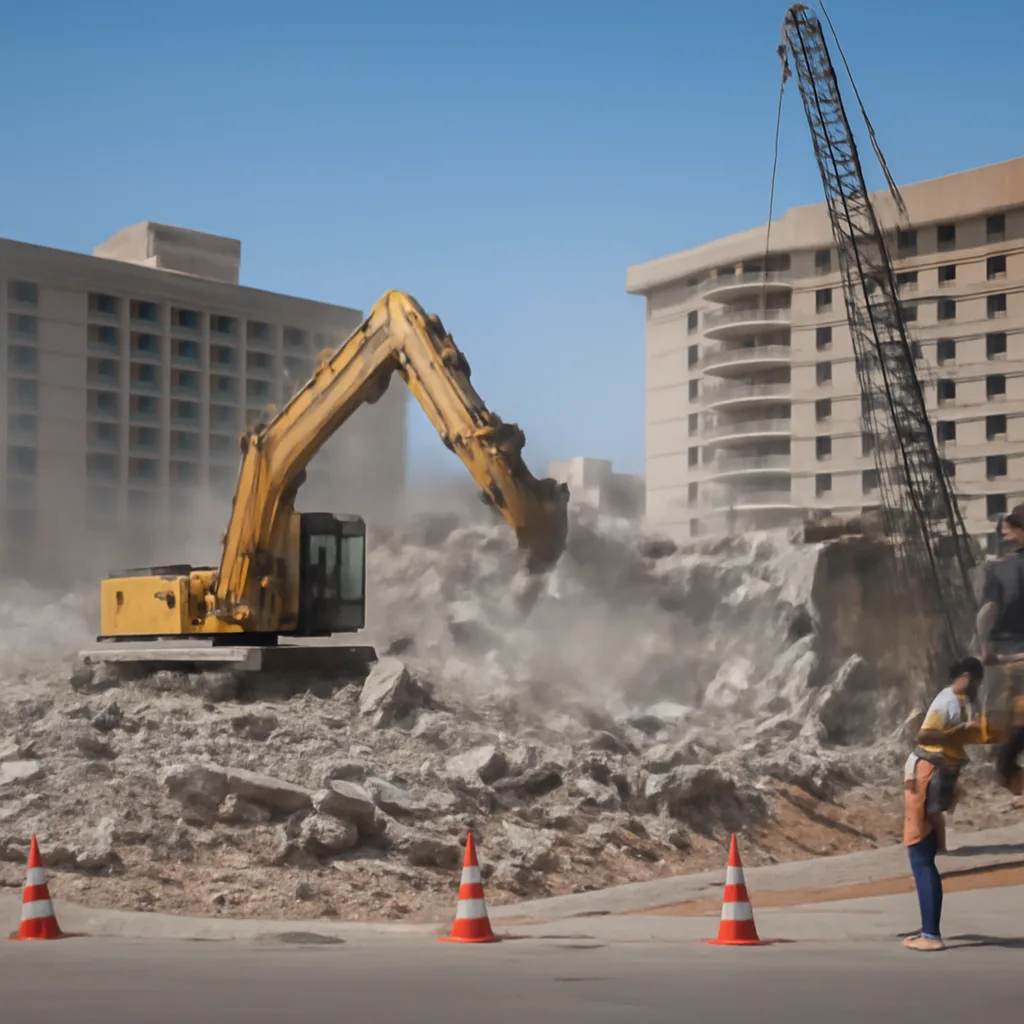
Demolition site in an urban Las Vegas setting with rubble, partially collapsed masonry, construction equipment, and adjacent intact hotel buildings.

On September 13, 1998, a demolition crew in Las Vegas unexpectedly brought down an adjacent, occupied hotel building instead of the planned structure, causing property loss and prompting investigations into demolition procedures and oversight.


On September 13, 1998, a demolition operation in Las Vegas intended to raze a shuttered hotel mistakenly demolished an adjacent, still-intact building. The error destroyed property and disrupted nearby businesses and residents, drawing attention from local authorities and raising questions about contractor procedures, site surveying, and municipal oversight.

Context
The late 1990s were a period of rapid redevelopment on the Las Vegas Strip and surrounding areas, with numerous properties being renovated, expanded, or imploded to make way for new casino-hotels and entertainment complexes. Demolitions—especially controlled implosions—were common and tightly scheduled events, often requiring coordination among demolition companies, property owners, utilities, and city inspectors.

What happened
Available contemporary reports describe a demolition crew initiating work on a target building but then collapsing or removing structural supports in a nearby, unintended structure. The mistaken demolition resulted in the partial or complete loss of the wrong building. Eyewitness accounts cited confusion on site about boundary markers and the sequence of demolition actions. Authorities responded to assess safety, clear debris, and account for any injuries; available public records from the period indicate there were property and financial repercussions, and municipal officials launched inquiries into the circumstances.

Causes and contributing factors
Investigations and reporting at the time highlighted several possible contributing factors common to demolition accidents: inadequate site surveys and boundary demarcation, miscommunication among contractors and subcontractors, failure to follow written demolition plans, and insufficient city inspection or permitting oversight. In tight urban settings like Las Vegas, small errors in identifying lot lines or building footprints can have immediate and severe consequences. The incident prompted stakeholders to reexamine protocols for confirming targets before beginning destructive work.

Aftermath and impact
The immediate consequences included property damage, disruptions to neighboring businesses and residents, insurance claims, and likely regulatory scrutiny of the demolition firm and its subcontractors. Longer-term effects included revisions to demolition permitting and inspection practices in some jurisdictions across the U.S. as municipalities sought to prevent similar mistakes during a period of intense redevelopment. The event also contributed to public discussion about the pace of redevelopment on and near the Strip and the safeguards needed when older structures are removed.

Limitations and sources
Contemporary newspaper accounts, city records, and insurance filings are the primary sources for reconstructing the incident. Details such as the exact identity of the company responsible, the full extent of financial liability, and any criminal or civil charges vary across records and reporting. Where accounts differ, this summary notes the commonly reported facts—wrong-building demolition, immediate safety and property impacts, and subsequent investigations—without asserting disputed specifics.

Significance
The episode serves as a cautionary example of how demolition errors can arise from lapses in planning and communication, particularly in dense urban redevelopment zones. It also underscores the role of municipal oversight, clear surveying practices, and rigorous contractor protocols to protect property and public safety when taking down large structures.

Share this

Email Share on X Facebook Reddit

Did this surprise you?