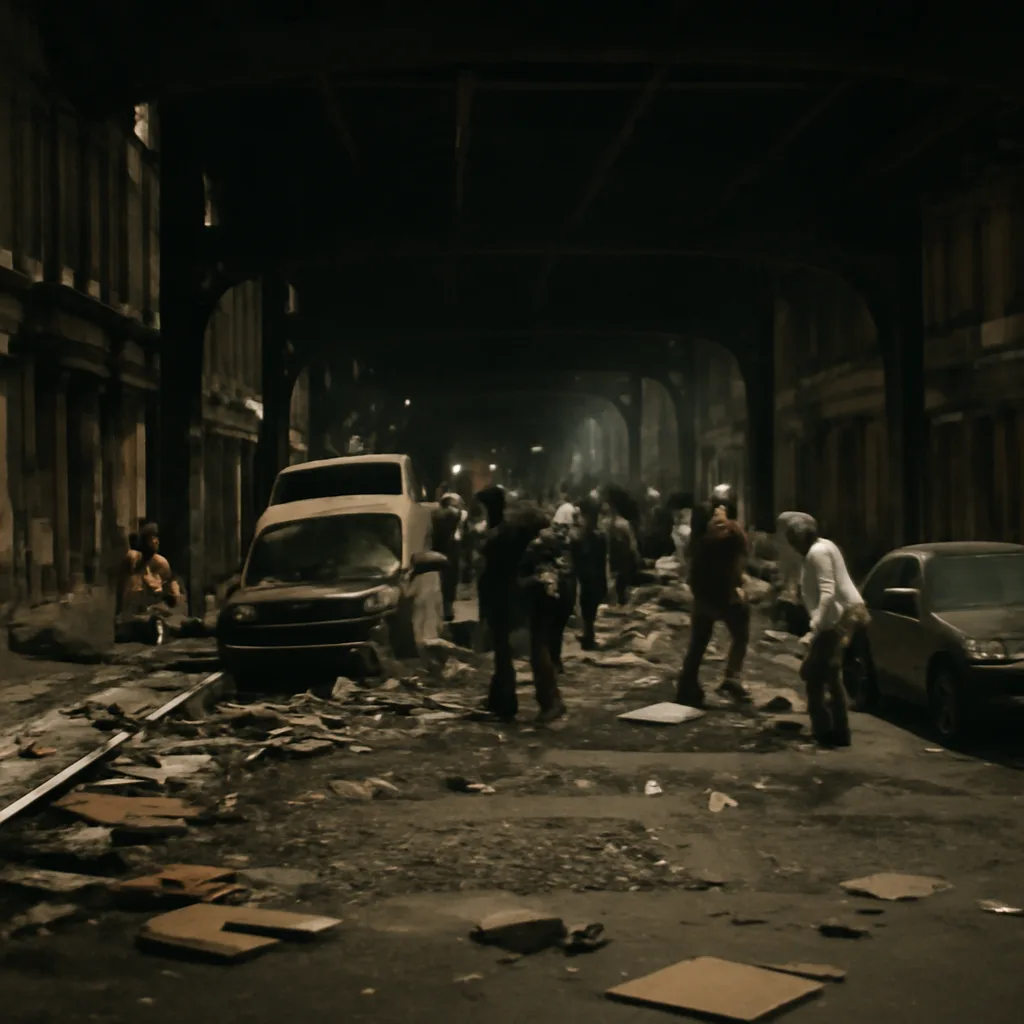
New York City Blackout of July 13, 1977: Widespread Outages and Civil Unrest
On July 13–14, 1977, a citywide power failure plunged New York City into darkness, triggering widespread looting, arson, and disruptions to transit and services amid an already fraught economic and social climate.
On the evening of July 13, 1977, New York City experienced a cascading electrical failure that left large portions of the city without power for up to 48 hours. The blackout occurred during a period of high summer heat and heightened fiscal strain for the city. Loss of lighting and subway service contributed to immediate public safety and transportation disruptions, and many neighborhoods saw a rapid breakdown in order.
The outage began in the late afternoon and spread across multiple boroughs. With traffic signals dark and elevated and subway lines stalled, emergency response was hampered. In numerous commercial corridors—particularly in parts of Brooklyn, the Bronx and Harlem—retail establishments were looted and storefronts were damaged or set on fire. Reports at the time documented hundreds of fires, extensive property damage, and thousands of arrests. Banks, shops, and restaurants were among the businesses most affected; some areas suffered severe, concentrated destruction that left long-term economic scars.
The blackout unfolded against a backdrop of economic crisis. New York City in the 1970s was wrestling with fiscal instability, rising crime rates, and social tensions. Those conditions, combined with the sudden loss of power, contributed to a sense of lawlessness in parts of the city. At the municipal level, officials faced criticism for both the failure of the electrical system and the responses deployed during and after the outage.
Media coverage at the time emphasized the scale of the unrest and the human impact: businesses burned, vital services were interrupted, and many residents were left without power, refrigeration, or transportation. The transit system’s outages stranded commuters and intensified the logistical challenge of restoring normalcy. In some neighborhoods, community organizations and residents organized to protect property and assist vulnerable people, while in other areas the immediate aftermath saw protracted recovery.
Investigations into the technical causes identified a combination of equipment failures and operational stresses in the regional power grid. The blackout prompted reviews of utility practices, emergency preparedness, and coordination among city, state, and federal agencies. Policy discussions that followed addressed both infrastructure hardening and social programs intended to address the underlying economic and community conditions that had amplified the unrest.
The July 1977 blackout remains one of the most significant disruptions in New York City’s postwar history. Its legacy includes heightened attention to grid reliability, emergency planning, and the social dimensions of urban resilience. Historians and policymakers often cite the event when discussing how infrastructure failures can interact with social and economic pressures to produce episodes of civic disorder. Exact figures for arrests, property losses, and other impacts vary among contemporary reports and later analyses; for precise statistics, consult archival newspaper coverage and official municipal after-action reports from 1977–1978.