
← Back
02/13/2001 • 7 views

Pentagon Publishes Declassified Cold War Bunker Blueprints
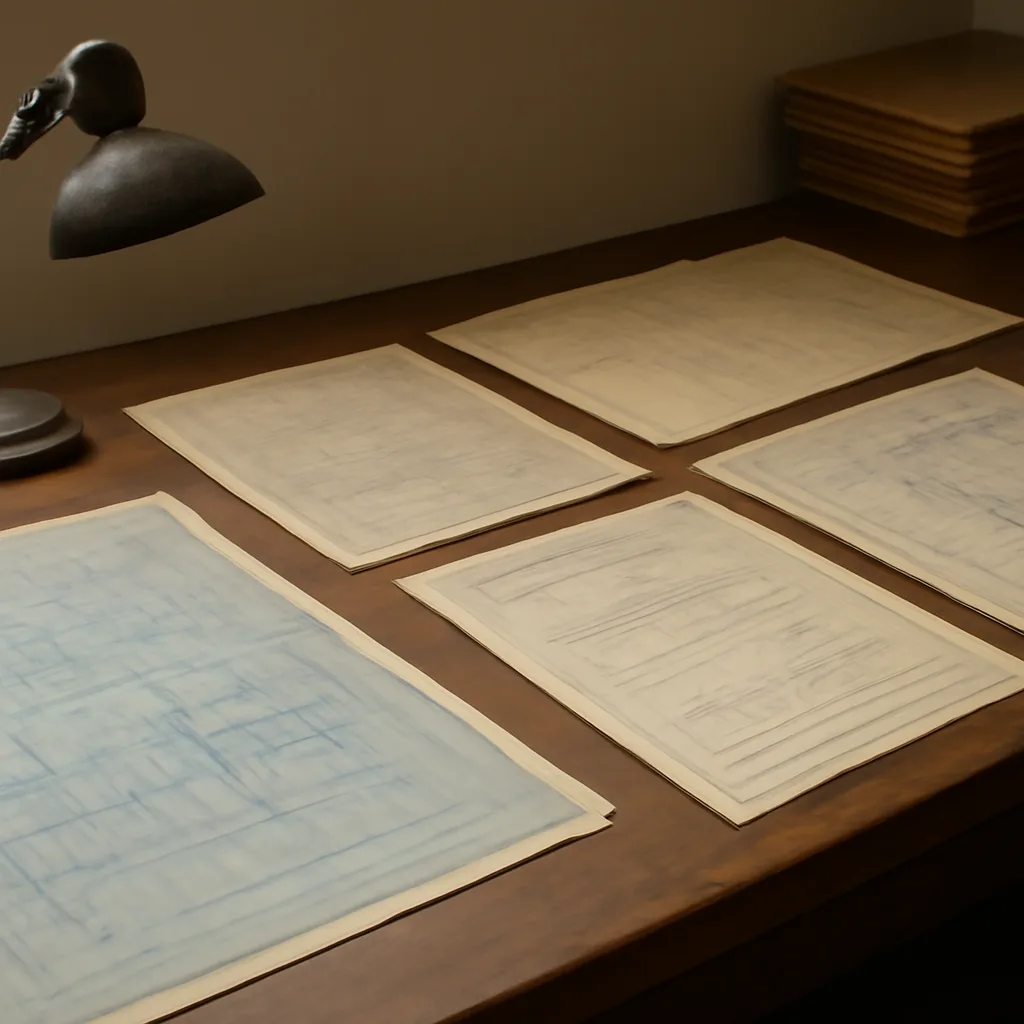
Blueprint-style drawings and archival documents spread on a table, showing floor plans and ventilation schematics for mid-20th-century government bunkers.

The Pentagon has released declassified blueprints and documents showing design and layout details of U.S. Cold War emergency bunkers and continuity facilities, offering new public insight into government planning for nuclear contingencies.


On February 13, 2001, the Department of Defense made publicly available a set of declassified blueprints and accompanying documents related to U.S. Cold War-era emergency bunkers and continuity-of-government facilities. The release includes architectural drawings, floor plans, schematics for utility and ventilation systems, and some logistical notes describing intended uses and staffing capacities. Officials characterized the materials as part of routine declassification reviews aimed at making historical records accessible while removing operationally sensitive details where necessary.

The materials document a range of facility types used or planned from the 1950s through the 1970s, reflecting changing assessments about survivability, command continuity, and civil defense. Some drawings show hardened structures intended to shield occupants from blast and fallout; others present dispersed, less fortified sites emphasizing redundancy. The records illustrate features common to Cold War continuity planning: layered communications systems, independent power generation, water and air filtration systems, and compartmentalized living and operations spaces designed to sustain staff for extended periods.

Historians and preservationists say the release helps clarify how federal agencies prepared for nuclear contingencies and how those priorities evolved over time. The documentation corroborates existing scholarship about investments in relocation of key personnel, communications survivability, and decentralized command nodes. At the same time, experts note that many released documents are schematic rather than complete engineering records; some highly sensitive technical details and precise locations remain redacted or omitted in line with security reviews.

The declassified materials also reveal bureaucratic and logistical challenges that shaped facility design. Notes and annotations indicate considerations such as staffing rotations, waste disposal, food storage, and the integration of civilian and military functions. Several plans reflect contingency assumptions about duration of occupancy and the number of essential personnel to be maintained. The documents illuminate how planners balanced needs for protection, habitability, and operational effectiveness within engineering and budgetary constraints.

Public response has been varied. Researchers welcomed the added primary sources for scholarship on Cold War governance, civil defense, and military architecture. Preservation advocates said the documents support efforts to identify and conserve historically significant sites, although actual site locations and identifying details remain limited in the released set. Some security analysts cautioned that, while much remains redacted, the release required careful review to ensure no actionable vulnerabilities were disclosed.

The Pentagon has released similar batches of historical material in other years after declassification reviews by agencies including the National Archives. This release fits within broader efforts by government bodies and academic institutions to expand public access to Cold War records for research and public understanding. Researchers examining the new files emphasize that the blueprints are a piece of a larger documentary record; conclusions about operational practice and effectiveness should be drawn in context with other archival sources such as memos, after-action reports, and oral histories.

For members of the public and scholars interested in viewing the materials, the Pentagon indicated the records are accessible through the Defense Department’s public reading rooms and select archival repositories. Those seeking detailed technical analysis or site identification are advised that portions remain classified or redacted for security reasons, and that corroborating archival research is necessary for comprehensive interpretations.

The release underscores how Cold War-era planning left a tangible documentary legacy that continues to inform historical understanding of government preparedness, architectural responses to strategic threats, and the bureaucratic processes that shaped national security infrastructure.

Share this

Email Share on X Facebook Reddit

Did this surprise you?