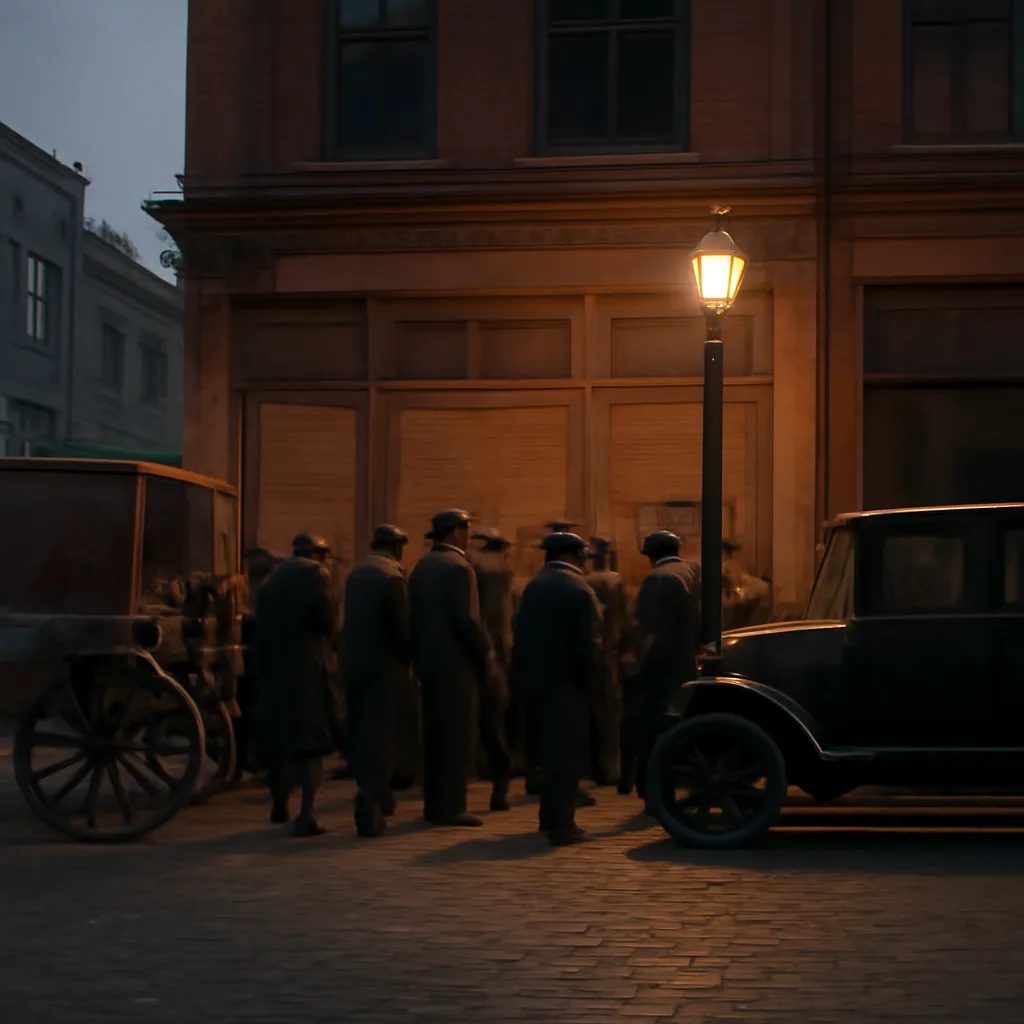
Prohibition Takes Effect Nationwide as 18th Amendment Begins
On January 16, 1920, the Volstead Act went into effect, enforcing the 18th Amendment and making the manufacture, sale and transportation of intoxicating liquors illegal across the United States.
On January 16, 1920, national Prohibition formally began in the United States when the National Prohibition Act (commonly called the Volstead Act) took effect to enforce the 18th Amendment to the Constitution. The amendment, ratified in January 1919, prohibited the manufacture, sale and transportation of “intoxicating liquors”; the Volstead Act, passed by Congress in 1919, defined enforcement mechanisms and set legal parameters for what constituted intoxicating beverages.
Legal and administrative measures
With the law in force, federal, state and local authorities moved to implement enforcement. The Treasury Department, which had primary federal responsibility, created enforcement divisions and relied on customs agents, marshals and local police to pursue illegal production, distribution and importation. The legislation allowed for criminal penalties, fines and seizure of property associated with liquor offenses. Some states supplemented federal law with their own enforcement agencies and statutes, while others resisted strict enforcement.
Social and economic impact
Prohibition reshaped parts of American social life and the economy. Legal breweries, distilleries and saloons faced closure or conversion to other businesses; jobs in those industries and related trades were lost or transformed. At the same time, demand for alcoholic beverages continued, and illegal alternatives—home distillation, clandestine breweries, smuggling from abroad and sale through speakeasies—expanded. Organized criminal groups increasingly profited from large-scale illicit production and distribution, contributing to a rise in bootlegging and associated violence in some areas.
Public opinion and regional variation
Support for Prohibition had been strong among various temperance organizations, religious groups and wartime advocates of austerity, but attitudes varied widely by region, ethnicity, class and urban versus rural communities. In many rural and small-town areas the law had significant support; in many urban centers, especially those with large immigrant populations, Prohibition was widely flouted. Enforcement intensity also varied: some jurisdictions pursued aggressive crackdowns, while others practiced selective or minimal enforcement.
Cultural consequences
Prohibition influenced American culture in multiple ways. The clandestine nightlife of speakeasies and the rise of jazz and dance halls in some cities were partly connected to the demand for illegal drinking venues. The era saw increased public debate over crime, public morals and the role of government in regulating private behavior. Writers, journalists and social critics produced significant commentary on both the perceived benefits and the harms of the policy.
Legal and political aftermath
The societal strains and enforcement challenges of Prohibition prompted growing opposition during the 1920s. Political movements to modify or repeal the law gained traction, culminating in the eventual ratification of the 21st Amendment in December 1933, which repealed the 18th Amendment and ended national Prohibition. The period from 1920 to 1933 remains a major study area for scholars assessing constitutional change, federalism, law enforcement and social policy.
Historical assessment
Historians view Prohibition as a complex policy with mixed outcomes: supporters credited it with moral aims and some short-term public health and social improvements, while critics note unintended consequences such as expanded organized crime, selective enforcement, and significant economic disruption. The episode is widely cited in discussions about the limits of legislating private behavior and the challenges of national enforcement of moral policy.