Riot breaks out in Los Angeles after acquittal of officers in Rodney King beating
On April 29, 1992, following a jury verdict acquitting four LAPD officers filmed beating Rodney King, widespread unrest erupted across Los Angeles, producing days of violence, arson, looting and a heavy response from police and the National Guard.
On April 29, 1992, a jury in Simi Valley acquitted four Los Angeles Police Department officers of criminal charges related to the videotaped March 3, 1991, beating of Rodney King, an African American motorist. The verdict—announcing no convictions for excessive force—immediately set off large-scale unrest in Los Angeles that lasted several days and became widely known as the 1992 Los Angeles riots.
The beating of Rodney King had been captured on video by a private citizen, and the footage was broadcast and replayed extensively in news coverage. That imagery contributed to public outrage and raised national debates about police use of force, race relations, and accountability. When the state-court jury delivered its verdict, many residents viewed it as a failure of the criminal justice system to hold officers accountable for the use of force against a Black man.
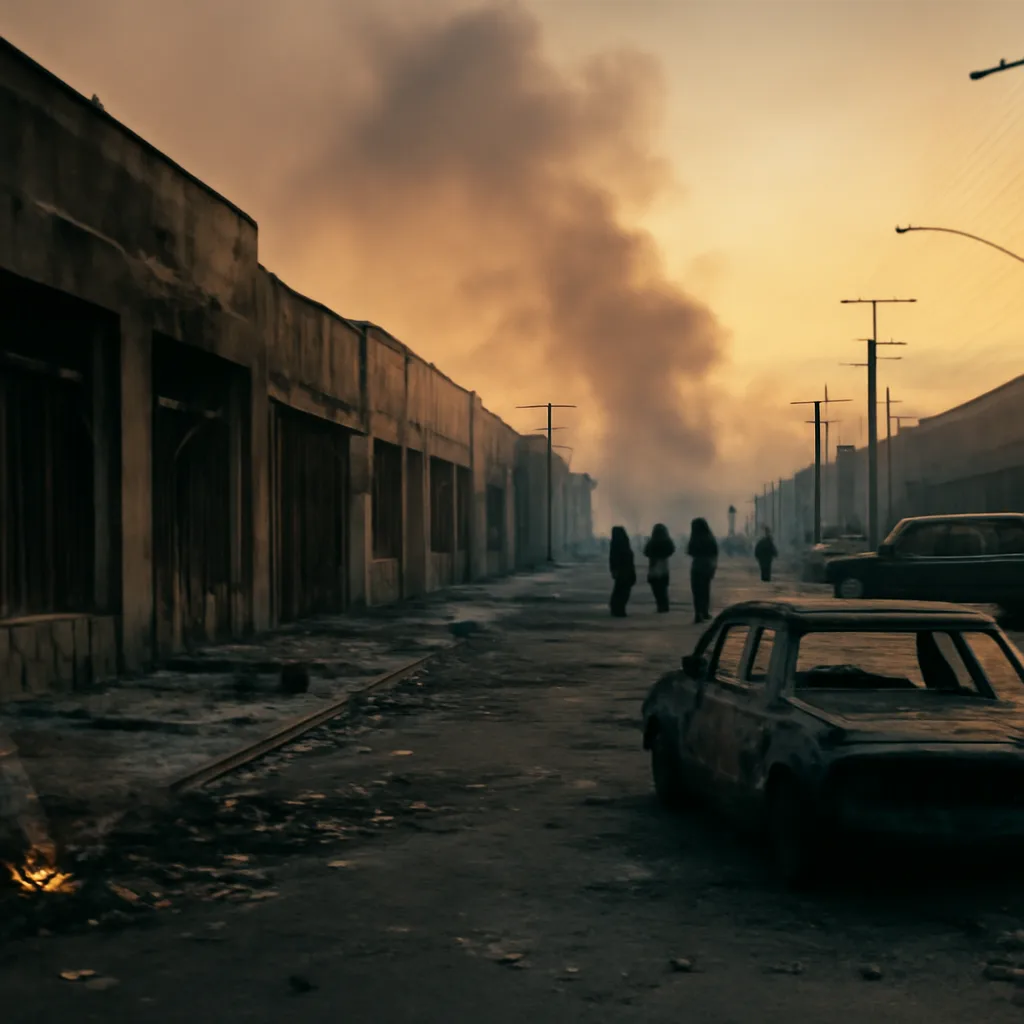
Violence and disorder spread quickly from the initial outbreak in South Central Los Angeles to other neighborhoods and into neighboring cities. Incidents included large-scale looting, arson of businesses, clashes between civilians and police, and attacks on motorists. Emergency responders and law enforcement struggled to contain the disorder as it escalated.
Local law enforcement initially faced criticism for an uneven and delayed response. The scale of the unrest prompted Governor Pete Wilson to deploy the California National Guard; units from multiple states were later brought in, and the U.S. military placed forces on standby. Curfews were imposed across the city and surrounding jurisdictions in attempts to restore order.
The human and material toll was substantial: more than 50 people were killed, thousands were injured, and thousands of buildings were damaged or destroyed. Economic losses were estimated in the hundreds of millions of dollars, disproportionately affecting small businesses in predominantly Black and Latino neighborhoods.
In the weeks that followed, federal prosecutors brought separate charges against some of the officers for violating Rodney King’s civil rights; in 1993, two officers were convicted in federal court. The riots prompted a wide range of responses: independent investigations of LAPD practices, calls for reform, the eventual appointment of new police leadership, and renewed national conversations about policing and racial inequality.
Historians and commentators have emphasized multiple contributing factors beyond the verdict itself, including long-standing tensions between law enforcement and communities of color, economic inequality, and recent high-profile incidents of perceived police misconduct. The events of April 1992 remain a major reference point in U.S. discussions about policing, civil unrest, and efforts to pursue reforms aimed at reducing racial disparities in the criminal justice system.