
01/14/1961 • 5 views
Soviet Union Conducts Secret Nuclear Test, January 14, 1961
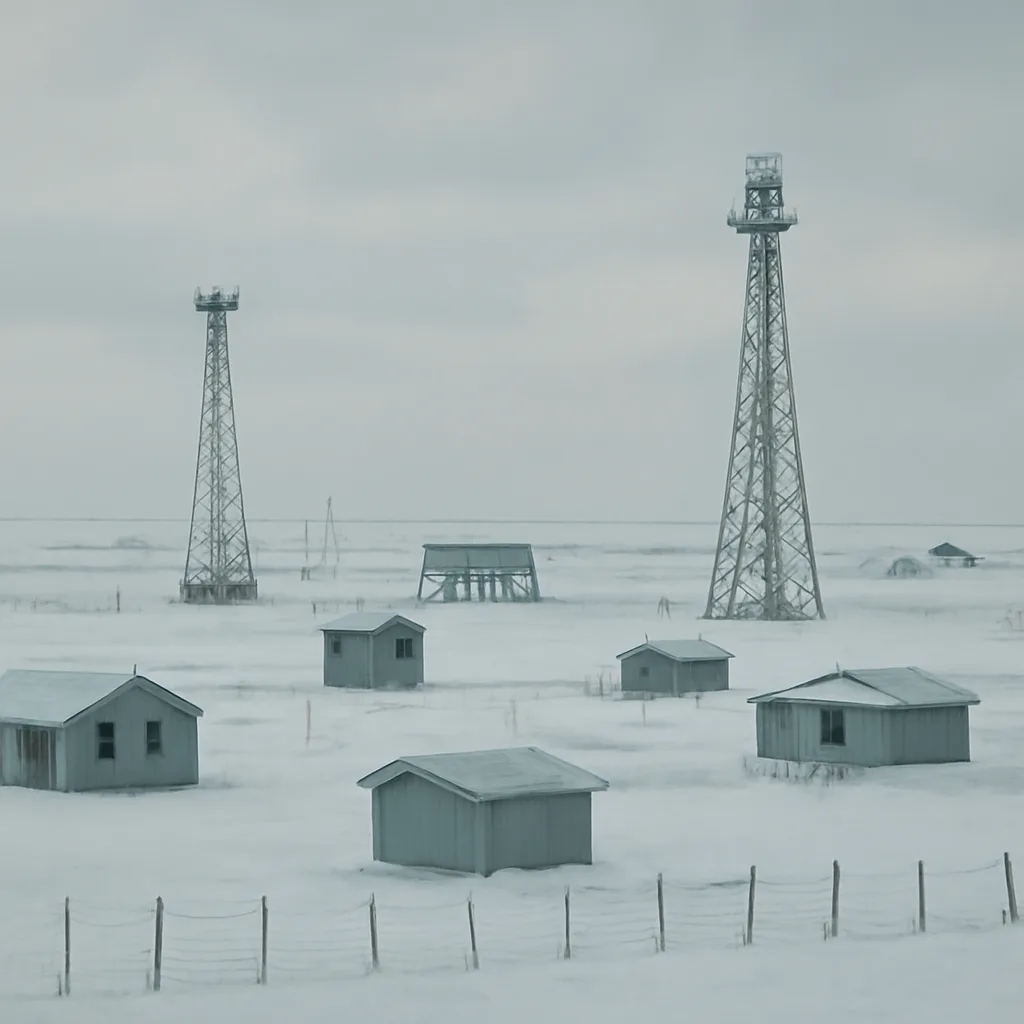
On January 14, 1961, Soviet authorities carried out a covert nuclear weapons test, part of the USSR’s expanding Cold War program; details were withheld at the time and remain partly classified or disputed in later accounts.
Contemporary Western monitoring—principally seismic detection, radionuclide sampling, and atmospheric observation—sometimes recorded anomalous signals or traces attributed to unannounced Soviet detonations. In many cases those detections were later correlated with items in open Soviet test lists, archival releases, or post-Cold War scholarly reconstructions; in other cases the evidence remains ambiguous. For the January 14, 1961 event, primary public details are limited: the date appears in some compilations of Soviet tests and in later secondary accounts, but official Soviet-era announcements did not list this particular shot, and Russian archival releases since the 1990s have not fully resolved every unannounced event from that period.
The USSR’s nuclear test program by early 1961 included both atmospheric and underground detonations at sites such as Semipalatinsk (now in Kazakhstan) and Novaya Zemlya (in the Arctic). The Soviet practice of secrecy served multiple purposes: concealing technical characteristics of new designs, controlling the political messaging of tests, and limiting foreign understanding of Soviet capabilities. Internationally, unannounced tests complicated efforts to track and verify nuclear activities and contributed to the negotiations that culminated in the Partial Nuclear Test Ban Treaty of 1963, which prohibited atmospheric, outer-space, and underwater nuclear tests and increased pressure for transparency and monitoring.
Historians and technical analysts reconstruct unannounced tests using a combination of declassified intelligence reports, contemporary scientific monitoring data, later disclosures by former Soviet officials and test site personnel, and seismological catalogs. Where documentation is incomplete or contradictory, researchers note degrees of uncertainty. For the January 14, 1961 entry, the balance of evidence in public sources indicates an event consistent with Soviet testing activity, but specifics such as yield, delivery purpose (strategic vs. tactical), and test site attribution are not firmly established in widely available archival materials.
The secrecy surrounding individual tests like this one shaped Cold War perceptions and policy. For analysts in Washington, London, and elsewhere, unannounced detonations raised questions about Soviet technical progress and intentions, often prompting intensified surveillance and contingency planning. For populations downwind or near test sites, the lack of official acknowledgment could mean delayed or absent public health information—an enduring human consequence of secretive testing programs.
In sum, the January 14, 1961 Soviet test is documented in secondary compilations of nuclear events and fits the pattern of clandestine or unpublicized Soviet detonations during a tense phase of the Cold War. Because official Soviet announcements at the time omitted the event and some archival records remain incomplete or inaccessible, certain technical and contextual details remain disputed or unverified in the public record.