
01/14/1936 • 6 views
The first recorded lobotomy is performed
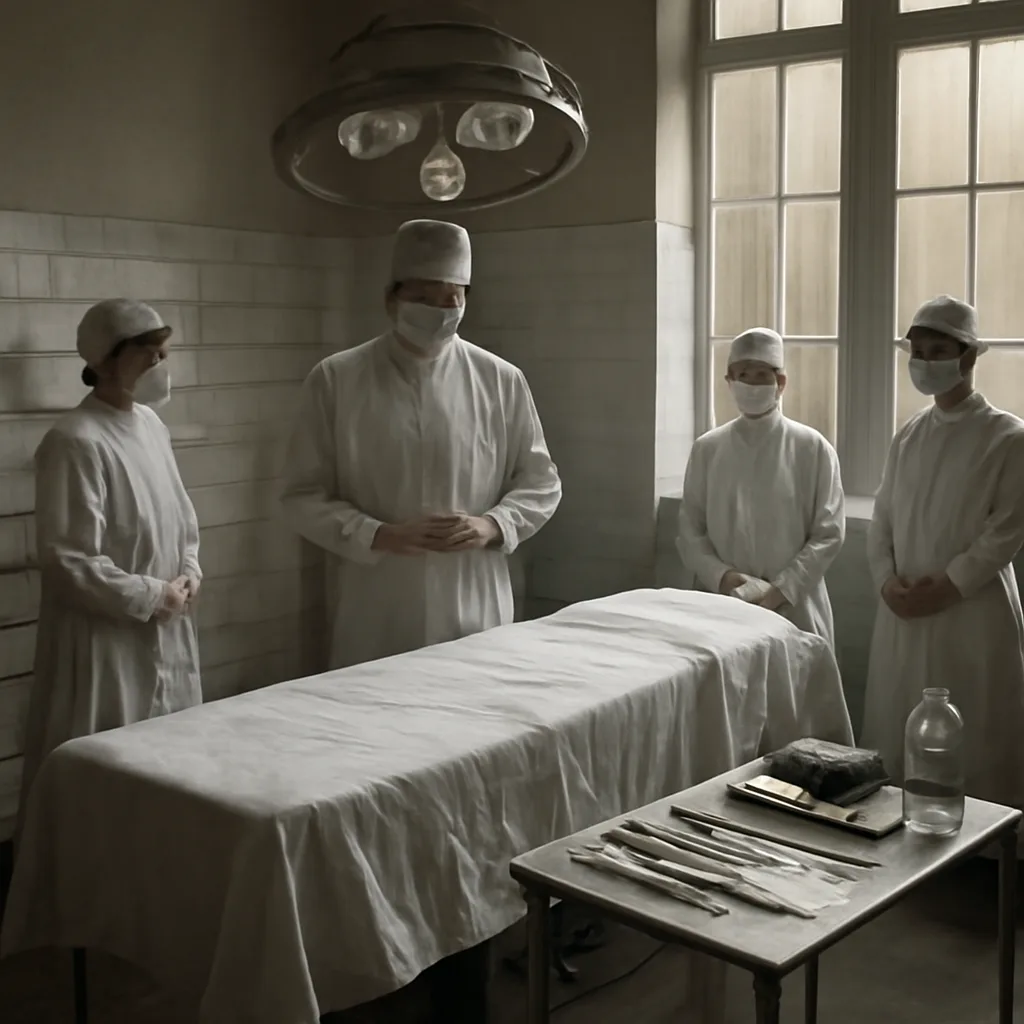
On January 14, 1936, Portuguese neurologist António Egas Moniz performed the first documented prefrontal leucotomy (later called lobotomy) on a human patient, marking the start of a controversial surgical approach to treating mental illness.
Moniz reported initial clinical improvements in some patients and published his findings, which gained rapid attention in Europe and the United States. The procedure was renamed and popularized in different forms—most notably by American neurologist Walter Freeman and neurosurgeon James W. Watts, who developed the transorbital lobotomy using instruments inserted through the eye socket in the 1940s. Lobotomy was hailed by some contemporaries as a breakthrough for patients with severe and otherwise untreatable psychiatric symptoms, and it was adopted widely in psychiatric hospitals through the 1940s and early 1950s.
However, the surgery’s apparent benefits were inconsistent and came at a high cost. Many patients experienced substantial and irreversible changes in personality, emotional responsiveness, initiative, and cognitive function. Reports of complications, poor outcomes, and ethical concerns about consent and the use of the procedure on vulnerable populations accumulated. With the introduction of antipsychotic medications in the 1950s and growing criticism from clinicians, patients’ families, and activists, lobotomy fell out of favor and is now largely remembered as a cautionary episode in psychiatric history.
Historians note that while Moniz is credited with the first documented human leucotomy, elements of frontal lobe surgery and ideas about altering brain structures to change behavior had antecedents in earlier experimental and clinical work. The date January 14, 1936 marks Moniz’s first reported human operation, but the procedure’s development, dissemination, and consequences involved many practitioners and contexts. Today, lobotomy is not practiced as it was then; modern neurosurgical interventions for psychiatric disorders (such as carefully targeted deep brain stimulation) are governed by far more stringent ethical standards, rigorous research, and informed consent procedures.
The story of the first lobotomy highlights tensions in 20th-century medicine: the search for treatments for severe, often desperate conditions; the eagerness to adopt surgical innovation; and the later reckoning with unintended harms. Accurate historical accounts distinguish Moniz’s documented first operation from subsequent variations and emphasize that assessments of the procedure evolved as clinical experience, ethical norms, and alternative treatments changed.