
← Back
07/25/2008 • 4 views

Stampede at Rajasthan Pilgrimage Kills Dozens
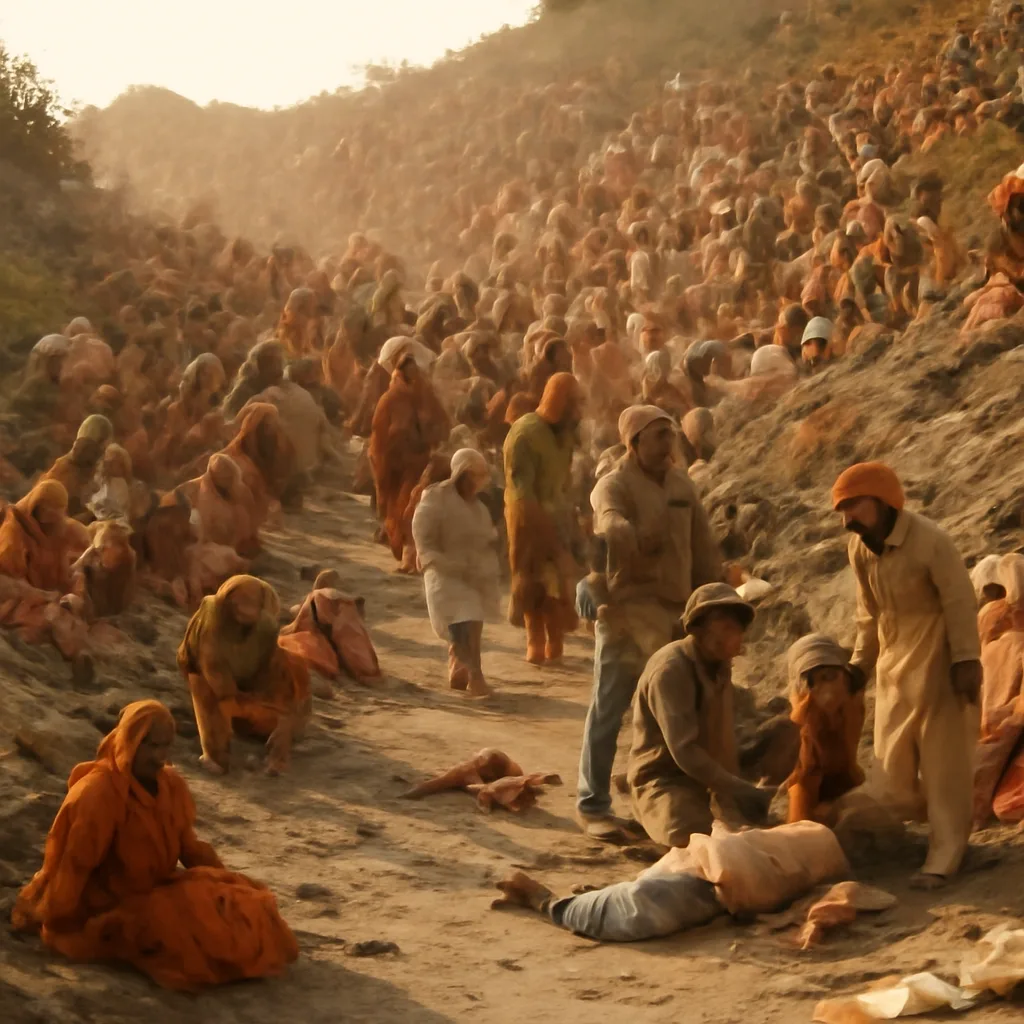
Crowded pilgrimage pathway on a hillside in Rajasthan with narrow stone steps and dense throngs of worshippers; emergency personnel and onlookers clustered where people have fallen.

On 25 July 2008 a fatal crowd crush during a Hindu pilgrimage in Rajasthan, India, led to dozens of deaths and many injuries as pilgrims surged on a narrow pathway; officials cited overcrowding and panic as primary factors.


On 25 July 2008 a deadly stampede occurred during a religious gathering in the state of Rajasthan in northwestern India, killing dozens of pilgrims and injuring many more. The incident took place during a crowded procession on a narrow route used by worshippers, where reports from the time indicated that a sudden surge and ensuing panic led to people being trampled and crushed.

Context and scale
The event happened amid a large religious congregation; exact attendance figures varied across contemporaneous reports, but thousands of devotees had gathered for the ritual observance. The combination of a confined route, steep or uneven terrain in parts of the pilgrimage path, and inadequate crowd-control measures contributed to the catastrophe. Emergency responders and local authorities were quickly deployed to the scene to provide medical aid and clear the bottlenecks.

Causes and contributing factors
Investigations and media coverage after the incident pointed to overcrowding and a sudden movement in the crowd as immediate causes. Eyewitnesses described panic spreading when people slipped or stumbled, creating a domino effect in the dense throng. Infrastructure limitations—such as narrow approaches, insufficient barriers, and inadequate signage or marshaling—were cited by observers as exacerbating factors. In many such events, limited emergency access and delays in communication between organizers and authorities hinder rescue efforts; these issues were raised in reports about this procession as well.

Casualties and response
Authorities reported dozens of fatalities and numerous injuries; hospitals in the vicinity treated those wounded, and some victims were transferred to larger medical facilities. Local officials and police launched rescue operations and began investigations to determine exact causes and accountability. In the aftermath, there were calls from community leaders and safety advocates for improved crowd management at religious events, including better planning, clearer routes, more trained stewards, and contingency plans for rapid medical response.

Aftermath and reforms
Incidents of this kind have repeatedly prompted reviews of safety protocols for mass gatherings in India. While specific policy changes following this particular 2008 stampede varied by locality, such tragedies typically lead to renewed emphasis on crowd-control training for organizers and police, installation of barriers and controlled entry/exit points, and improved coordination with medical services. Public discussions at the time focused on balancing open access to religious sites with the need for measures to prevent overcrowding and ensure swift emergency care.

Uncertainties and reporting
Contemporary accounts of the event contained some discrepancies in casualty numbers and precise sequence of events, as commonly occurs amid chaotic emergencies. Official tallies, media reports, and eyewitness testimonies did not always align, and some details remained subject to later verification. What is clear from multiple sources is that a sudden crowd surge on a constrained pathway during a large pilgrimage on 25 July 2008 resulted in substantial loss of life and spurred calls for improved safety at mass religious gatherings.

Legacy
The stampede is one among several high-casualty crowd disasters at religious events in India and elsewhere, highlighting persistent challenges in managing large, often spontaneous congregations of worshippers. It reinforced broader efforts—by authorities, religious organizations, and safety experts—to reduce the risk of future tragedies through planning, infrastructure improvements, and public-awareness campaigns about safe conduct in crowds.

Share this

Email Share on X Facebook Reddit

Did this surprise you?