
11/25/1986 • 5 views
U.S. Opens Public Inquiry into Iran–Contra Affair
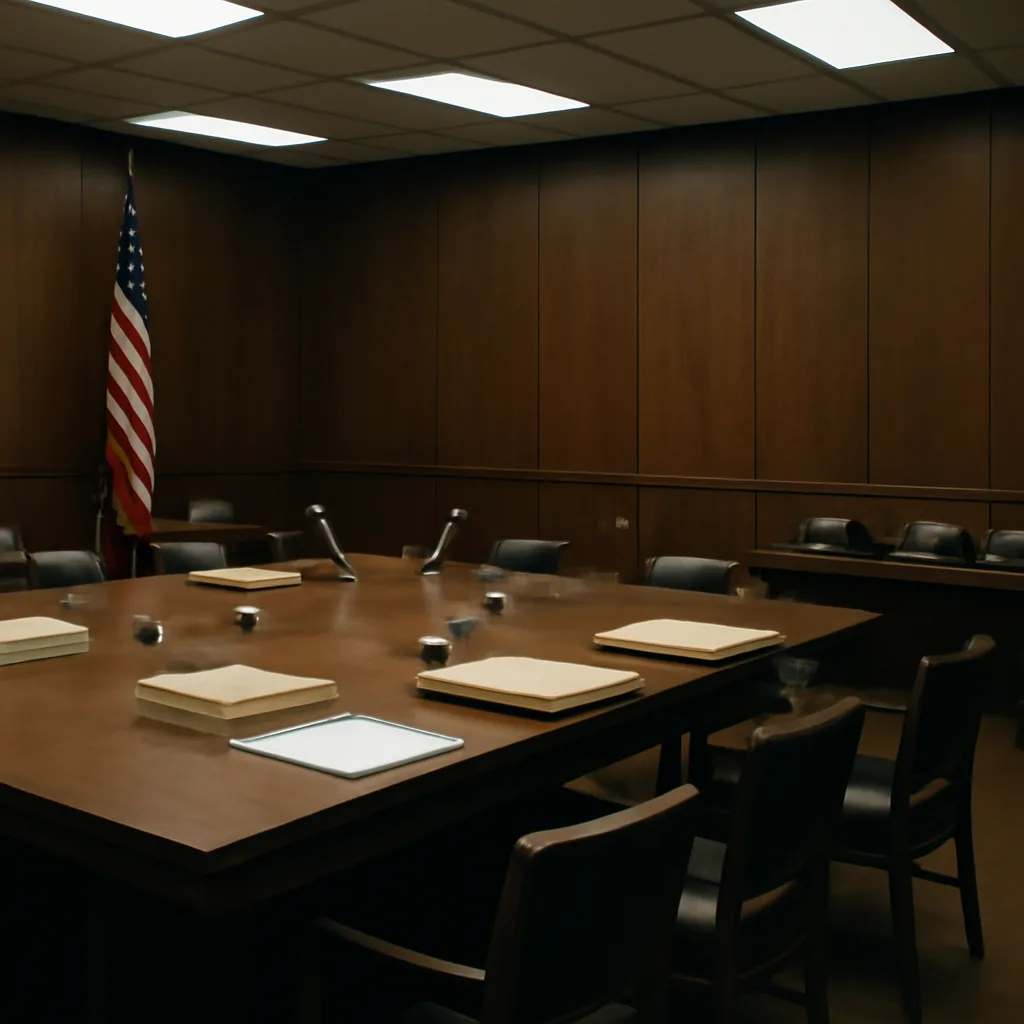
On November 25, 1986, U.S. officials announced a public investigation into the Iran–Contra affair, probing arms sales to Iran and diversion of proceeds to Contra rebels in Nicaragua amid mounting congressional and public concern.
Background
The Iran–Contra matter traces to two parallel initiatives of the mid-1980s. One involved clandestine efforts to secure the release of American hostages held by Hezbollah-linked groups in Lebanon by facilitating arms transfers to Iran and encouraging intermediaries to press Tehran for influence with hostage-holding factions. The other involved covert U.S. support for the Contras, anti-Sandinista fighters in Nicaragua, which was politically controversial and constrained by the Boland Amendments — a series of congressional restrictions limiting U.S. assistance to the Contras.
Disclosure and public announcement
In November 1986, investigative reporting — notably by The New York Times and other outlets — revealed that members of the Reagan administration had engaged in arms shipments to Iran and had channeled funds or weapons to the Contras through intermediaries. On November 25, officials publicly acknowledged that an investigation would examine the facts and the roles of government personnel. The announcement signaled a shift from opaque, compartmented operations toward formal accountability measures, including congressional inquiries and internal executive-branch reviews.
Scope and immediate consequences
The public investigation aimed to determine whether laws were broken, whether statutory restrictions such as the Boland Amendments had been violated, and how administration officials had coordinated the activities. Congressional committees, including the Senate and House intelligence and foreign affairs panels, intensified oversight. Separately, independent and executive branch investigations would later probe decision-making, information flows, and accountability.
Wider political and legal impact
The Iran–Contra revelations rapidly became a major political scandal. They prompted hearings that examined the conduct of National Security Council staff, CIA personnel, and other administration officials. The controversy raised constitutional and policy questions about the limits of presidential authority, covert action oversight, and the relationship between the executive branch and Congress on foreign policy and covert operations.
Uncertainties and later developments
At the time of the November 25 announcement, key facts and lines of responsibility were still being established. Subsequent investigations, including congressional hearings in 1987 and independent inquiries, produced detailed records, testimony, and legal proceedings. Some participants were indicted or convicted; others received pardons or saw convictions later vacated or reduced. Historical accounts and government reports produced afterward provide fuller documentary context, but debates about intent, chain of command, and the adequacy of oversight persisted among scholars, legislators, and the public.
Significance
The public opening of the Iran–Contra investigation marked a turning point in the mid-1980s U.S. political landscape by shifting secretive foreign-policy maneuvers into a subject of public and legal scrutiny. The affair influenced subsequent reforms in congressional oversight of intelligence and covert action and left a lasting imprint on discussions about executive power and accountability in foreign affairs.