On this day: February 17
Scratch-Off Loses, Then Wins $1 Million in Second Chance Christmas Miracle

A North Carolina man’s initial losing scratch-off ticket transformed into a $1 million holiday windfall thanks to a second chance drawing, proving not all lottery losses are final.
1903 New England Town Reports Unusual 'Sleep Paralysis' Outbreak

In February 1903 a small New England town saw multiple residents describe episodes of wakeful immobility—what contemporaries called "sleep paralysis"—prompting local concern and debate among physicians and clergy over causes ranging from medical to supernatural.
1903 Reported Outbreak of 'Sleep Paralysis' in a New England Town
On February 17, 1903, local newspapers and medical notices recorded a cluster of sleep paralysis reports in a New England community, treated at the time as both a medical curiosity and a moral concern; contemporary historians view it as an early documented epidemic-like description of nocturnal paralyzing episodes.
1903 Boston Reports Mark Earliest Documented Sleep Paralysis 'Epidemic'
In February 1903 Boston newspapers and medical correspondents described a cluster of sleep paralysis cases — then called 'night terrors' or linked to 'nightmare' phenomena — that clinicians treated as an unusual localized outbreak, one of the earliest recorded community reports of the condition in U.S. medical press.
1903 Boston Reports Spark First Recorded Sleep Paralysis 'Epidemic'
In February 1903, physicians in Boston documented an unusual cluster of sleep paralysis and hypnagogic hallucinations among patients and community members, marking what contemporaries described as the first recorded ‘epidemic’ of the condition in medical literature.
New Baby Elephant Steals Spotlight at French Zoo After Marathon Labor

A French zoo welcomes a healthy female baby elephant after a lengthy 21-month pregnancy and a dramatic 7 hours of labor, adding a fresh face to their animal family.
First Use of the Electric Chair Abroad: Trinidad and Tobago’s 1911 Execution
On February 17, 1911, Trinidad and Tobago carried out what is widely reported as the first execution by electric chair outside the United States, marking a rare early export of American capital punishment technology within the British colonial world.
First known use of the electric chair outside the U.S. recorded
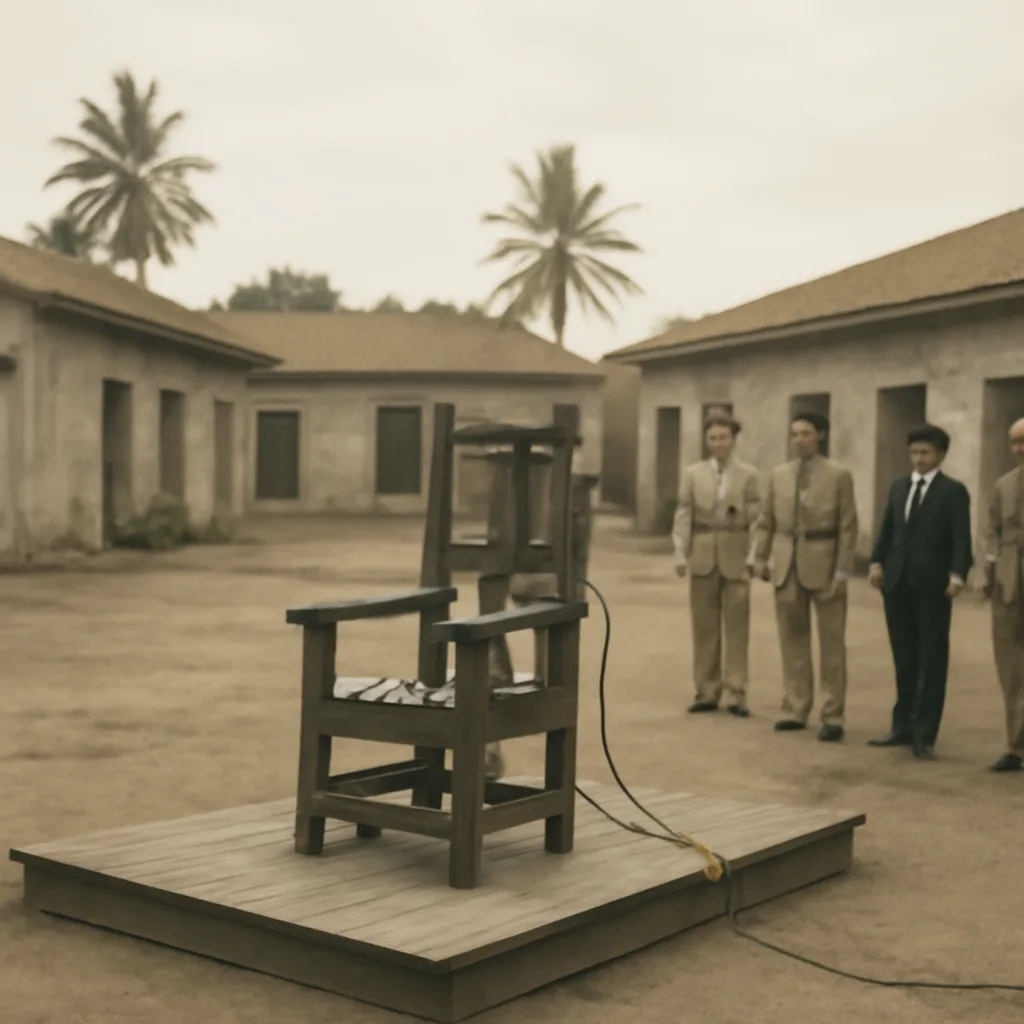
On 17 February 1911, authorities in the Philippines—then an American colonial possession—used an electric chair to execute a condemned man, marking the first documented execution by electric chair outside the United States.
Massachusetts Officially Declares 1692 Witch Trials Unlawful
Massachusetts has formally declared the 1692 Salem witch trials unlawful, acknowledging the colonial-era prosecutions as a miscarriage of justice rooted in flawed legal practices and social panic.
FBI Releases Files on Marilyn Monroe’s Death, Revealing Investigative Notes and Unredacted Records
The FBI released previously withheld files on Marilyn Monroe’s 1962 death, including memos, investigative notes and correspondence that shed light on the bureau’s interest and inquiries at the time but do not resolve longstanding disputes about the cause.
FBI Discloses Longstanding Mafia Infiltration of Public Institutions

On February 17, 1964, the FBI confirmed that organized crime figures had long infiltrated public institutions and labor unions, a revelation that intensified scrutiny of corruption and prompted renewed federal investigations.
Massachusetts Declares 1692 Witch Trials Unlawful

On February 17, 1692, local magistrates in Salem—then part of the Province of Massachusetts Bay—initiated proceedings that would later be judged unlawful after numerous arrests, trials, and executions tied to allegations of witchcraft.