
02/17/1692 • 6 views
Massachusetts Declares 1692 Witch Trials Unlawful
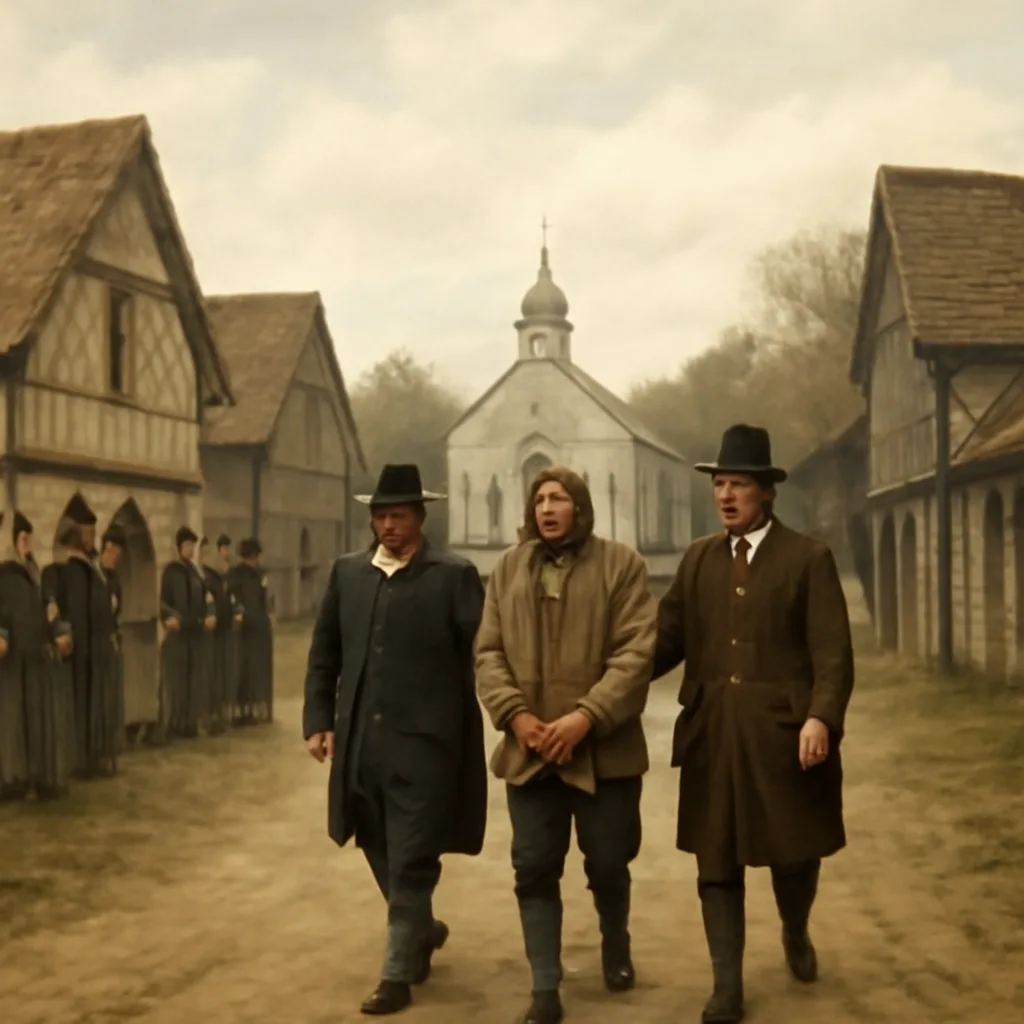
On February 17, 1692, local magistrates in Salem—then part of the Province of Massachusetts Bay—initiated proceedings that would later be judged unlawful after numerous arrests, trials, and executions tied to allegations of witchcraft.
Between early 1692 and 1693, more than 200 people were accused of practicing witchcraft. The courts of oyer and terminer in Salem Town oversaw many of the trials; at least 19 people were executed and several died in prison. The prosecutions drew on a mix of local rivalries, religious tensions, economic disputes, and genuine fear of the supernatural in a deeply providential worldview. Methods that contributed to wrongful convictions included reliance on the testimony of afflicted accusers, acceptance of spectral evidence (claims that the accused’s spirit appeared to victims), and interrogations that could produce coerced or dubious confessions.
By the mid-1690s, prominent voices within the colony and beyond criticized the legal processes used in Salem. Concerned community members, ministers, and officials questioned the validity of spectral evidence and the fairness of the trials. In 1693 and the years following, colonial authorities began to reverse judgments: courts annulled convictions, and the General Court later acted to restore the good names of some who had been condemned. In 1711, the Massachusetts legislature passed a bill reversing the attainders against many convicted in 1692 and awarded financial compensation to the families of some victims—a formal acknowledgment that miscarriages of justice had occurred.
Historians generally agree that the combination of legal procedures then in use, the social context of a Puritan frontier society, and the influence of fear and rumor produced an environment in which lawful standards were not upheld by modern expectations. While contemporaries did not uniformly describe the 1692 proceedings as “unlawful” in the language of the time, later legal and legislative responses treated many of the convictions as wrongful and took steps to annul and compensate for them.
The legacy of the 1692 prosecutions has been the subject of extensive historical study and public memory. The events prompted changes in legal practice regarding admissible evidence and helped shape later American commitments to due process. Today the Salem witch trials are remembered as an instance where panic, flawed legal standards, and social division combined to produce tragic outcomes and subsequent official repudiation.