On this day: February 8
Passenger Train Derails After Hitting Frozen Cow Carcass Near Tracks, February 1967

In early February 1967 a passenger train derailed after striking a frozen cow carcass on the line, causing injuries and service disruption; contemporary reports attributed the collision to poor visibility and the animal blocking the track.
Passenger Train Derails After Striking Frozen Cow Carcass, February 1967

On February 8, 1967, a passenger train derailed in rural Britain after colliding with a frozen cow carcass on the line, causing multiple injuries and service disruption; investigations cited the obstruction and winter conditions as key factors.
1962 Tanzanian Laughter Outbreak Enters Medical Record

In 1962 a series of uncontrollable laughter episodes among schoolgirls in northern Tanganyika (now Tanzania) spread through several villages, was studied by physicians and the World Health Organization, and was recorded in medical literature as an instance of mass psychogenic illness.
The 1962 'contagious laughter' episode at a British boarding school

On February 8, 1962, a prolonged episode of contagious laughter began at a British boarding school and spread among students and staff; later accounts linked it to a mass psychogenic illness, though details and interpretations have been debated by researchers.
A documented outbreak of contagious laughter in 1962 enters medical record

On February 8, 1962, clinicians recorded what is now cited as the first documented instance of contagious laughter causing prolonged episodes among a community, prompting early psychiatric and epidemiological attention.
America’s First Gas Chamber Execution, February 8, 1924

On February 8, 1924, Gee Jon, a Chinese immigrant convicted of murder in Nevada, was executed in what is widely reported as the first use of a lethal gas chamber in the United States—an event that marked a controversial turn in American capital punishment methods.
First Televised Autopsy Airs, Stirring Debate in 1975
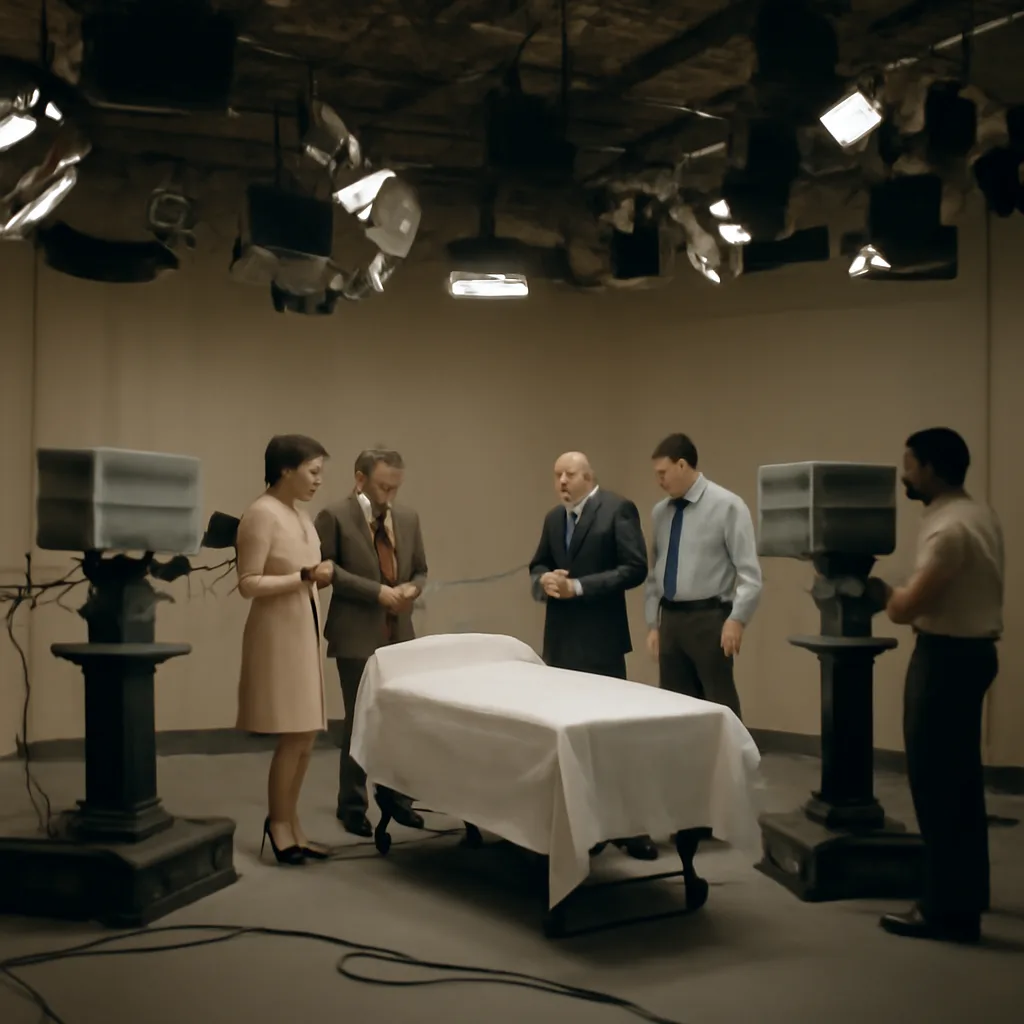
On February 8, 1975, American television broadcast what was widely described as the first televised human autopsy, prompting immediate public debate over medical ethics, broadcasting standards, and viewers’ expectations.
Televised Autopsy Airs on U.S. Television for First Time
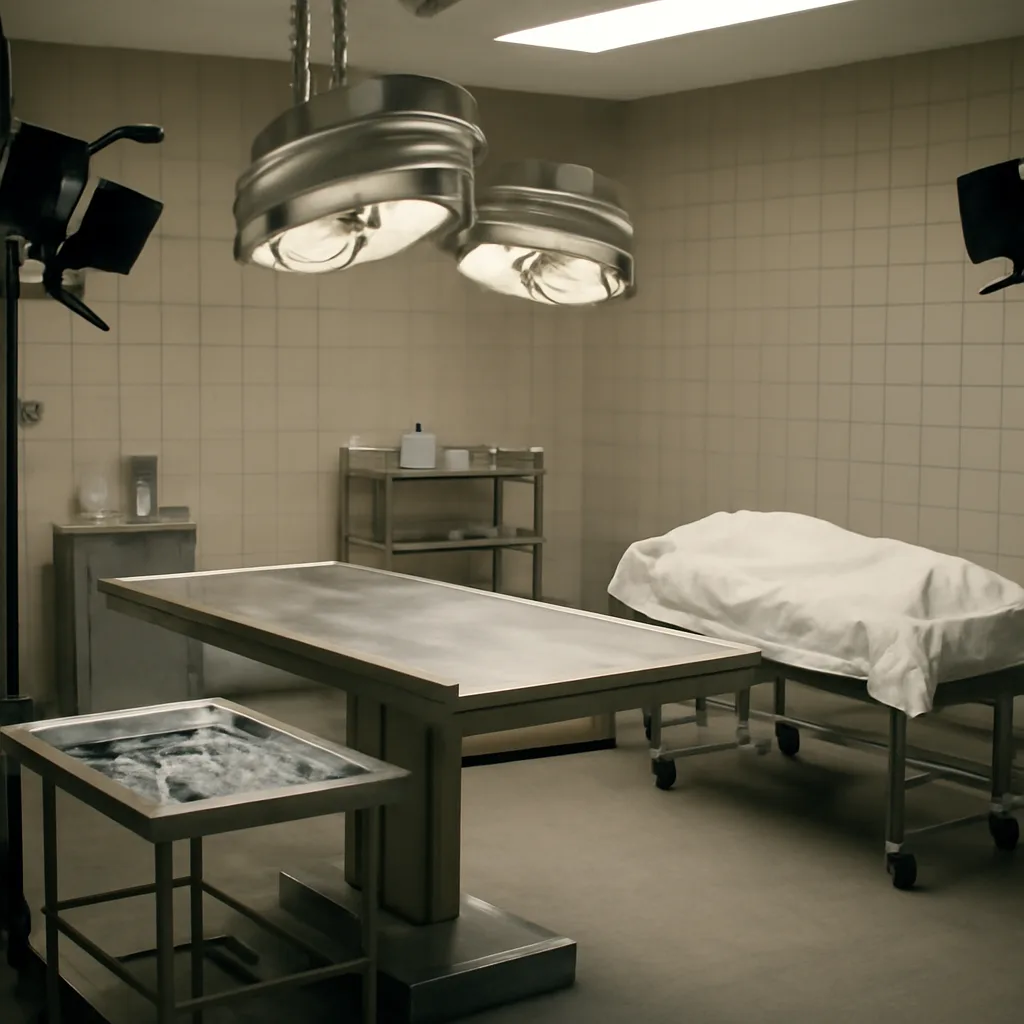
On February 8, 1975, a U.S. television program broadcast an autopsy for the first time, sparking debate about medical transparency, journalistic boundaries, and public sensitivity to death.
America's First Use of a Gas Chamber Execution, 1924
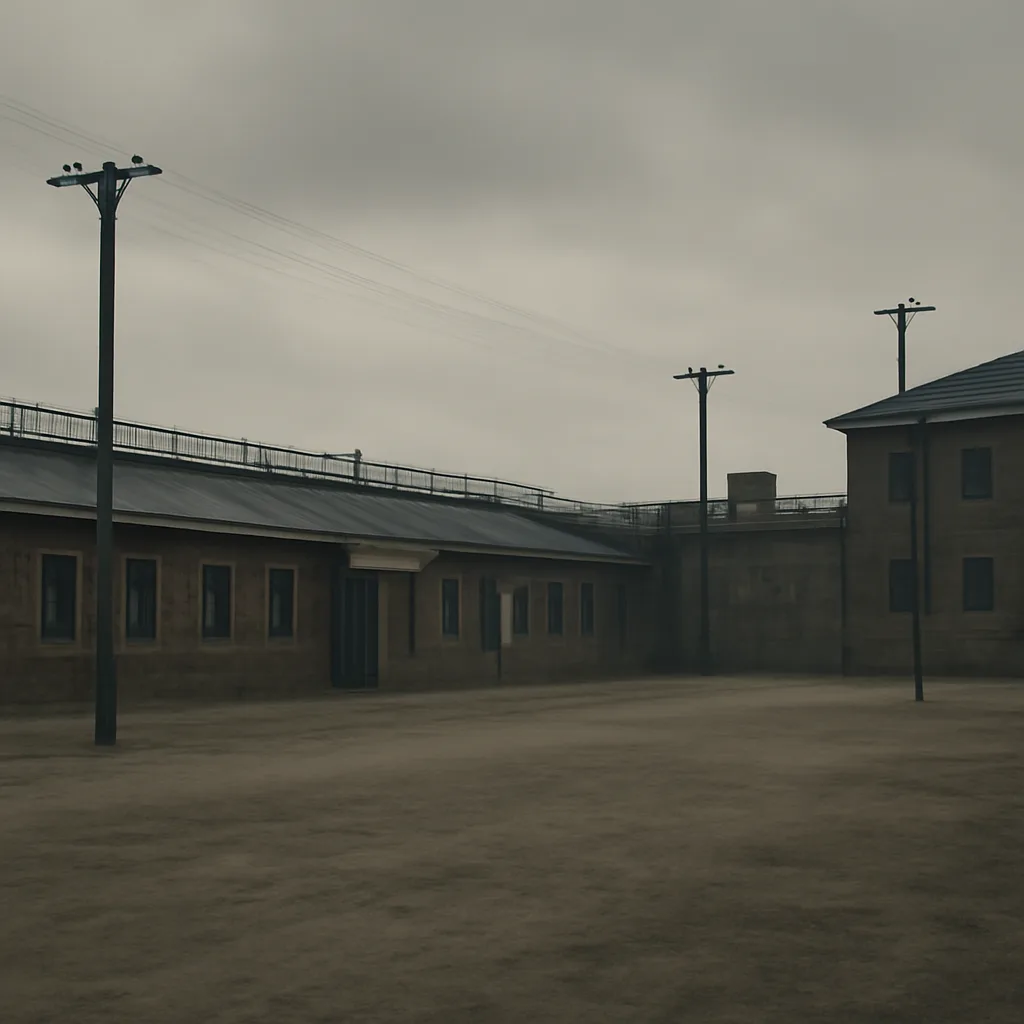
On February 8, 1924, the United States carried out its first execution by lethal gas at Nevada State Prison, a method introduced amid debates over humane capital punishment. The execution of Gee Jon marked a controversial shift in penal technology and racial tensions in early 20th-century America.