On this day: January 14
The first recorded lobotomy is performed
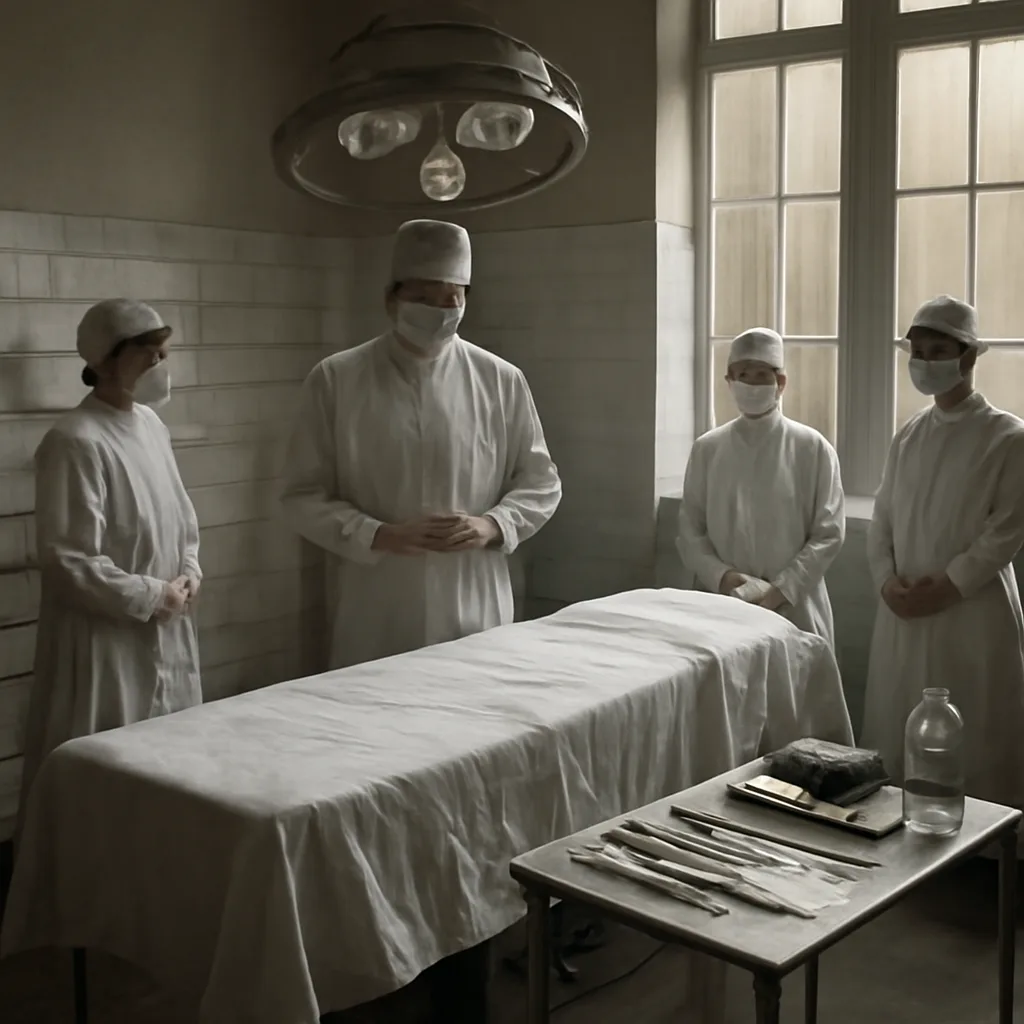
On January 14, 1936, Portuguese neurologist António Egas Moniz performed the first documented prefrontal leucotomy (later called lobotomy) on a human patient, marking the start of a controversial surgical approach to treating mental illness.
Soviet Union Conducts Secret Nuclear Test, January 14, 1961

On January 14, 1961, Soviet authorities carried out a covert nuclear weapons test, part of the USSR’s expanding Cold War program; details were withheld at the time and remain partly classified or disputed in later accounts.
Britain confirms first case of bovine spongiform encephalopathy

On January 14, 1985, British authorities recorded the first confirmed case of bovine spongiform encephalopathy (BSE), later known as mad cow disease, marking the start of an outbreak that would have extensive agricultural, public-health, and policy consequences over the following decades.
Harvard’s 1896 sleep-deprivation study: the first documented laboratory experiment

On January 14, 1896, Harvard researchers conducting controlled observations of sleep loss published what is widely regarded as the first documented laboratory experiment on sleep deprivation, marking a shift from anecdote to systematic study of sleep’s effects on cognition and behavior.
1990 Census Officials Acknowledge Millions Missing from Count
On January 14, 1991, U.S. Census Bureau officials revealed that the 1990 decennial census undercounted millions of people—especially children, Black and Hispanic residents, and residents of inner cities—prompting debate over methodology, policy, and remedies.
Mass-produced Handgun Debuts: Colt's 1836 Revolver Enters Production
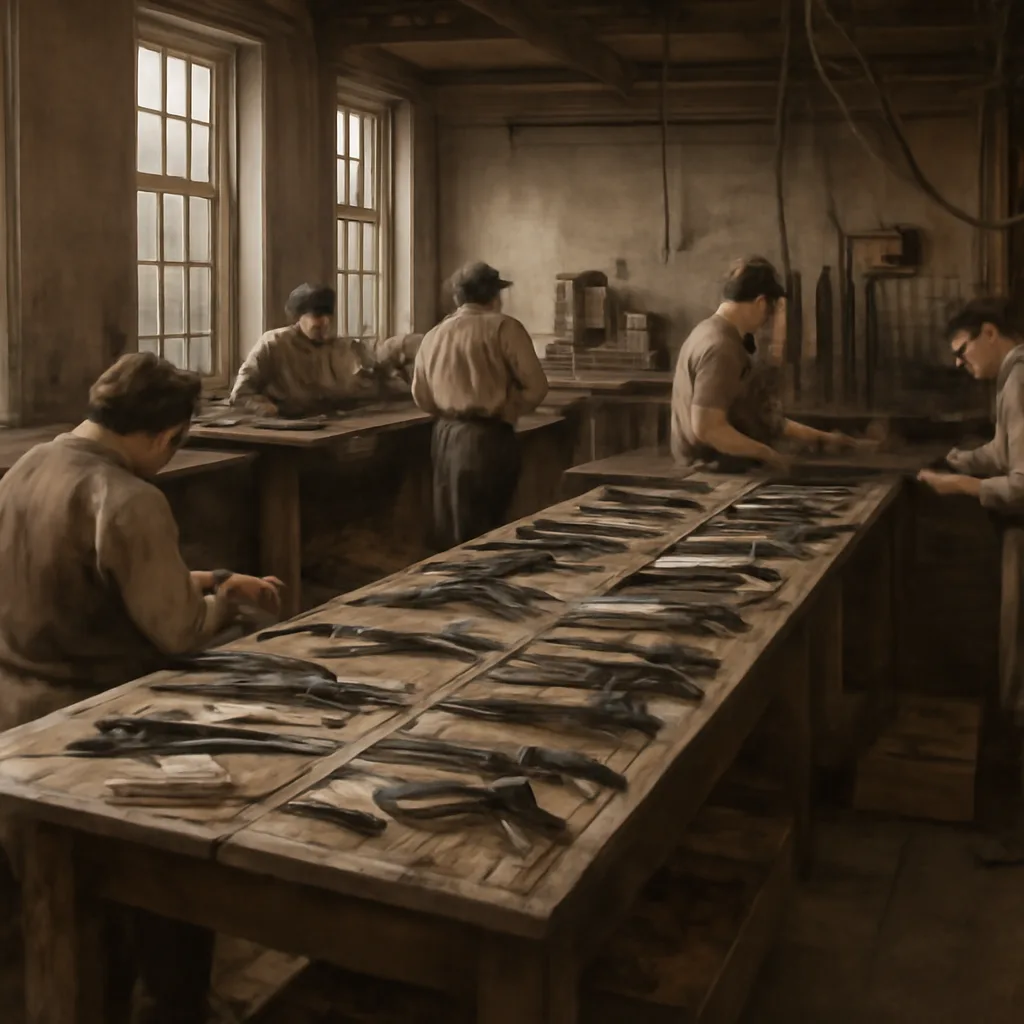
On January 14, 1836, Samuel Colt unveiled the first handgun produced by a system of interchangeable parts and mechanized fabrication—the Colt revolver—marking a turning point in firearms manufacturing that enabled large-scale, consistent production.