On this day: January 9
Columbus Mistakes Manatees for Mermaids
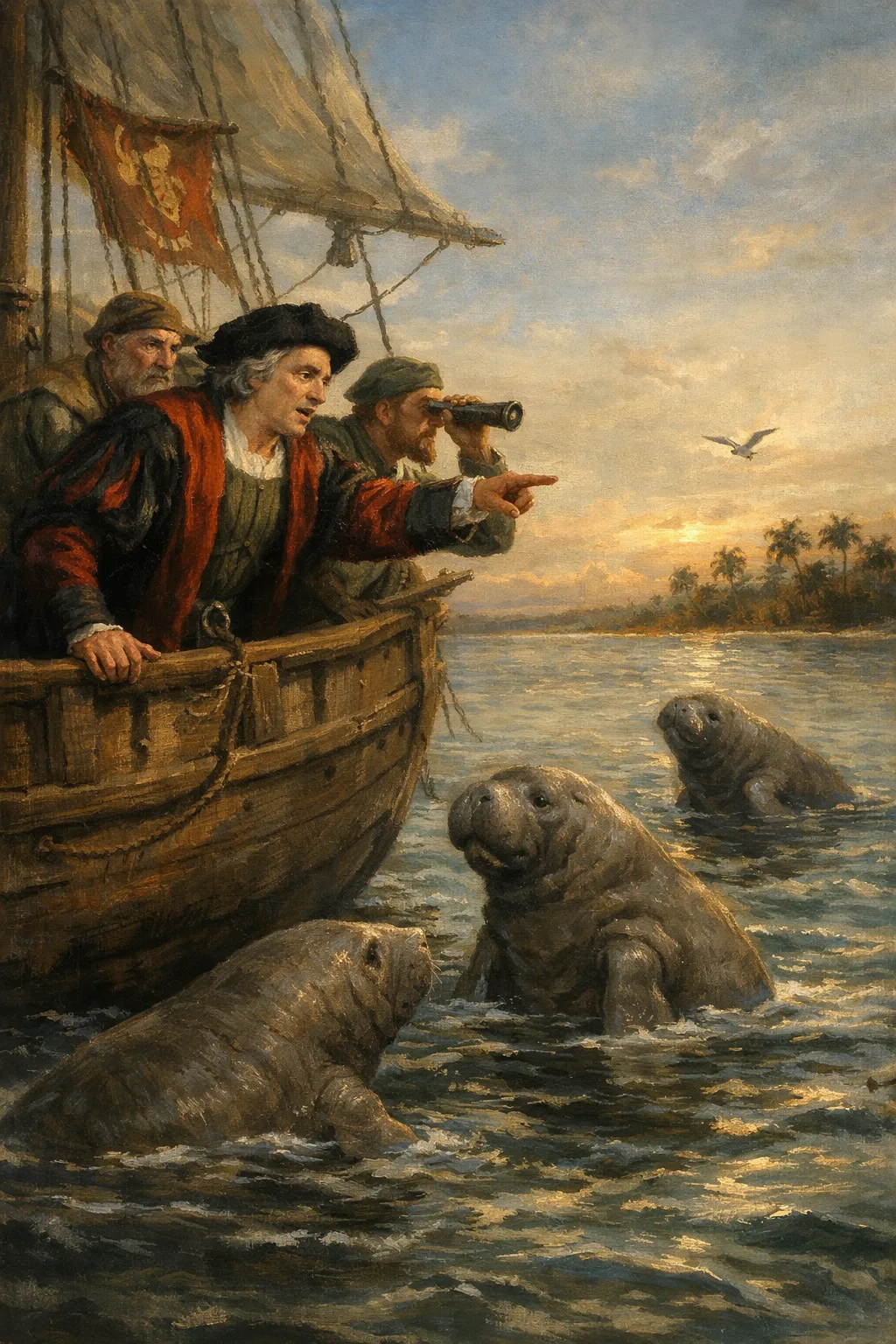
How myth, exhaustion, and sea cows created one of history’s most curious sightings
The Pentagon Confirms Existence of WWII‑Era Underground Facilities
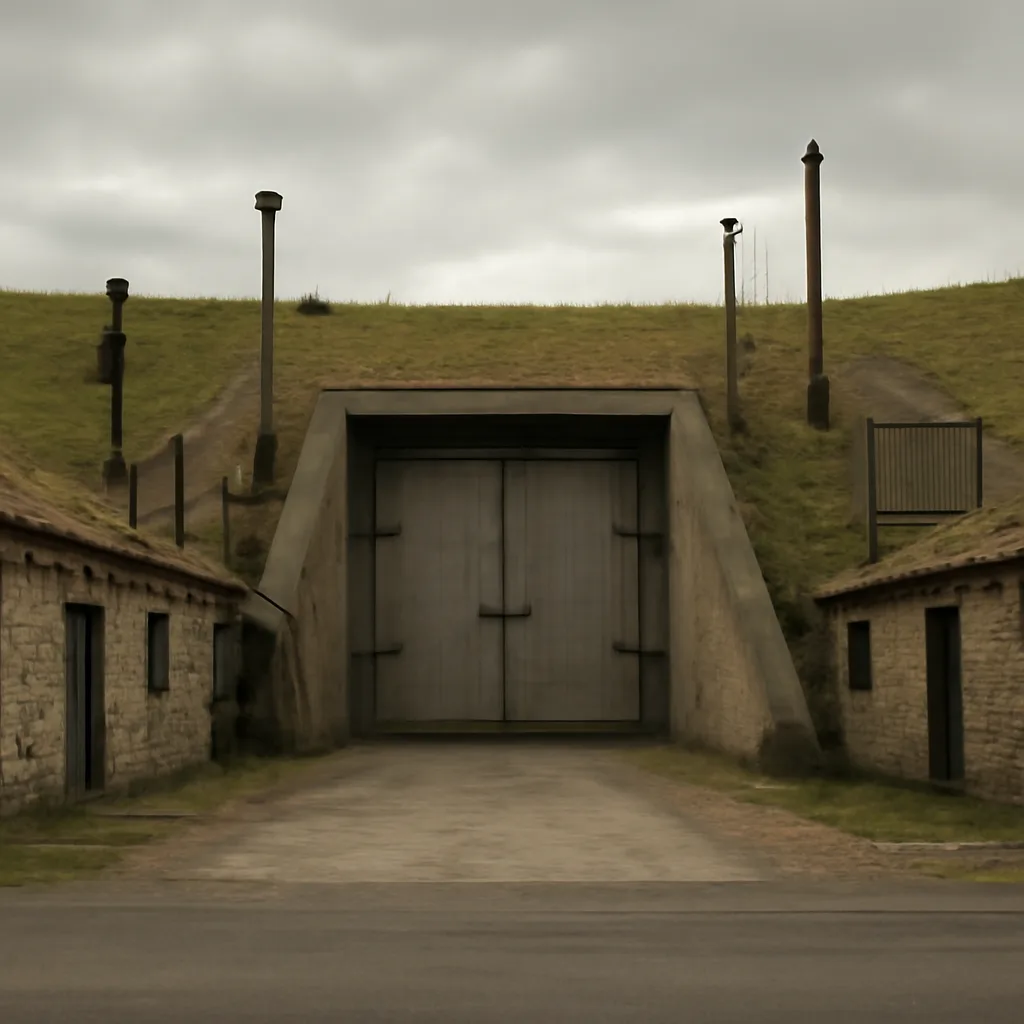
On January 9, 1991, the Pentagon declassified and acknowledged the existence of extensive underground military facilities built and expanded during World War II and the Cold War—long rumored but rarely confirmed—while clarifying that claims of vast modern “secret cities” remain unverified.
A Pioneering — and Controversial — Human Blood Transfusion Is Attempted
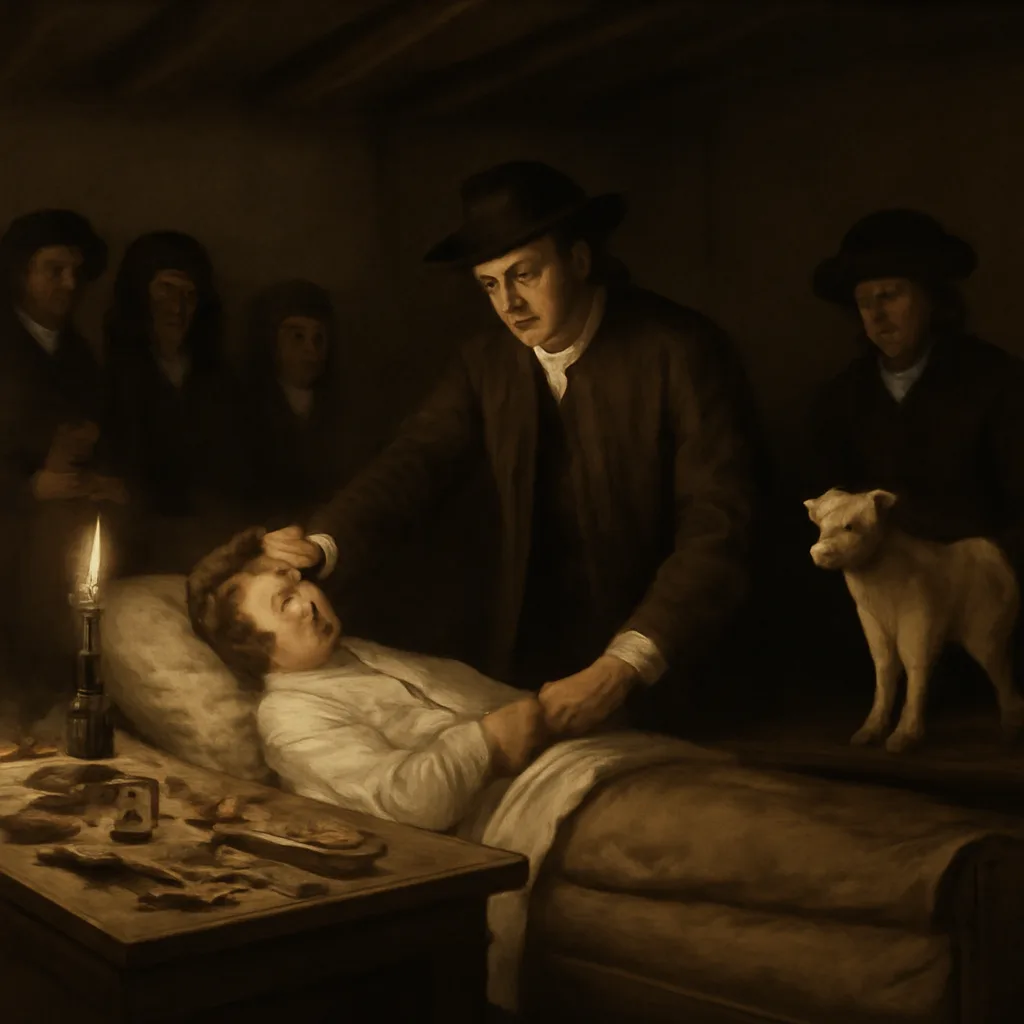
On January 9, 1667, French physician Jean-Baptiste Denis performed what is recorded as one of the first documented human blood transfusions, transferring animal blood into a patient amid scientific curiosity, medical debate, and ethical controversy.
January 9, 1945: The First Documented Human Radiation Experiment
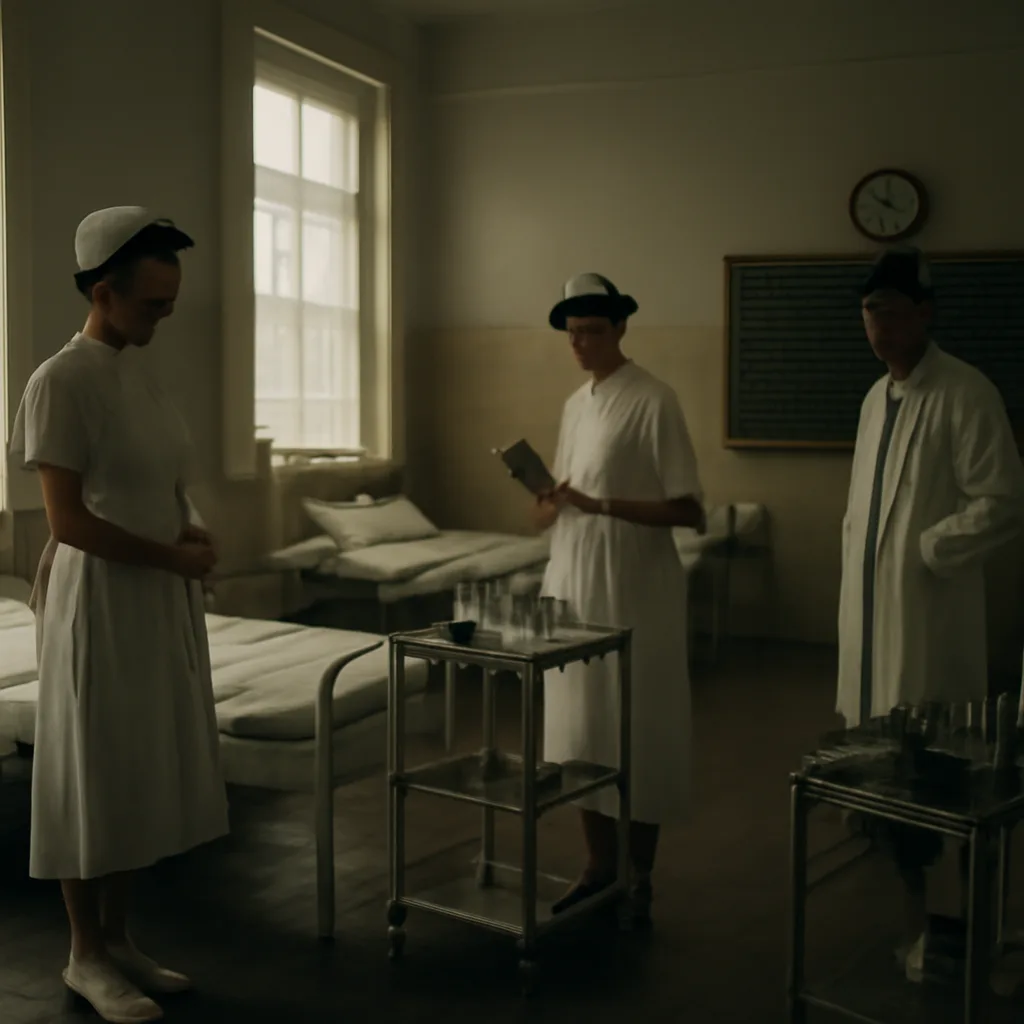
On January 9, 1945, a U.S. Army physician administered a measured dose of radioactive phosphorus to a hospital patient — widely cited as the first documented intentional human radiation experiment in the United States — marking the start of a controversial chapter in medical research.
Apple introduces the iPhone, altering the course of consumer technology
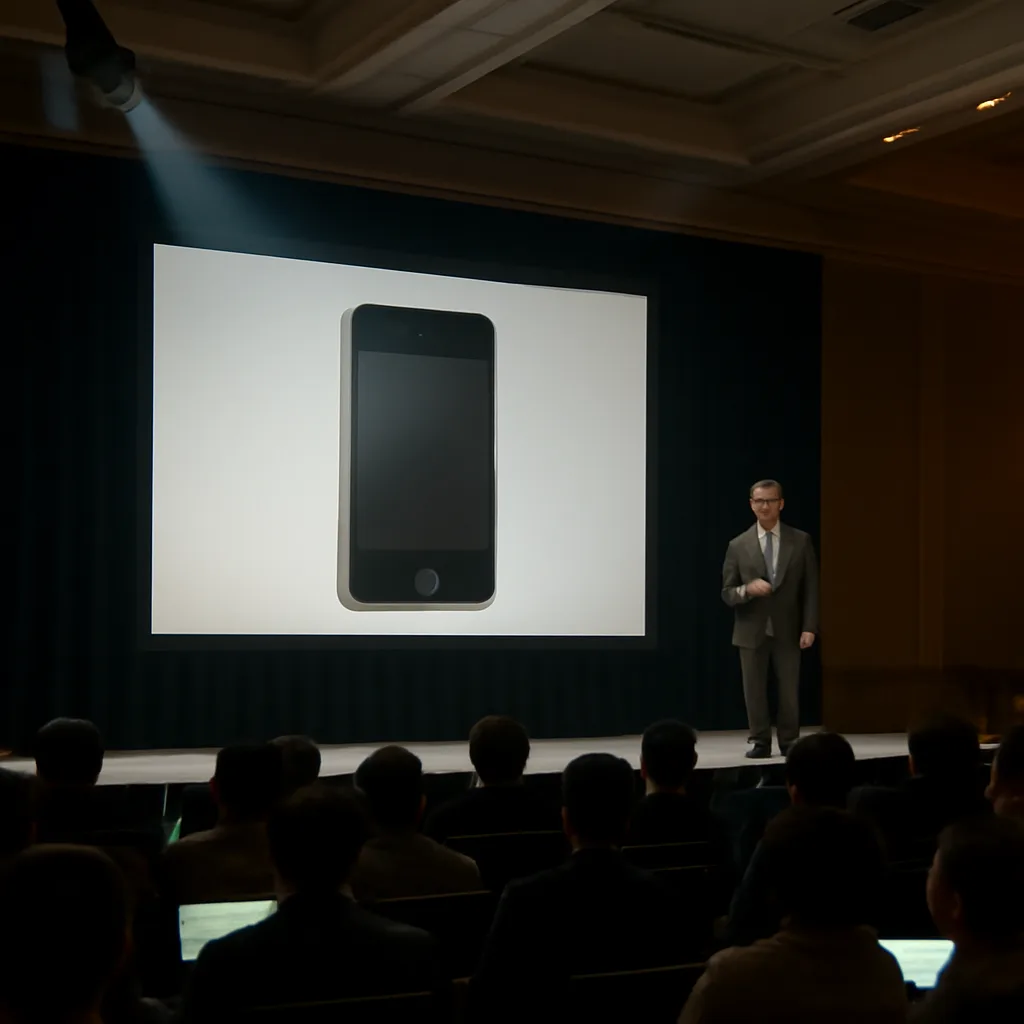
On January 9, 2007, Apple unveiled the first iPhone, a handheld device combining a phone, iPod and internet communicator; its introduction set a new standard for smartphones and spurred rapid changes across the global tech industry.
FBI Begins Surveillance of Martin Luther King Jr.
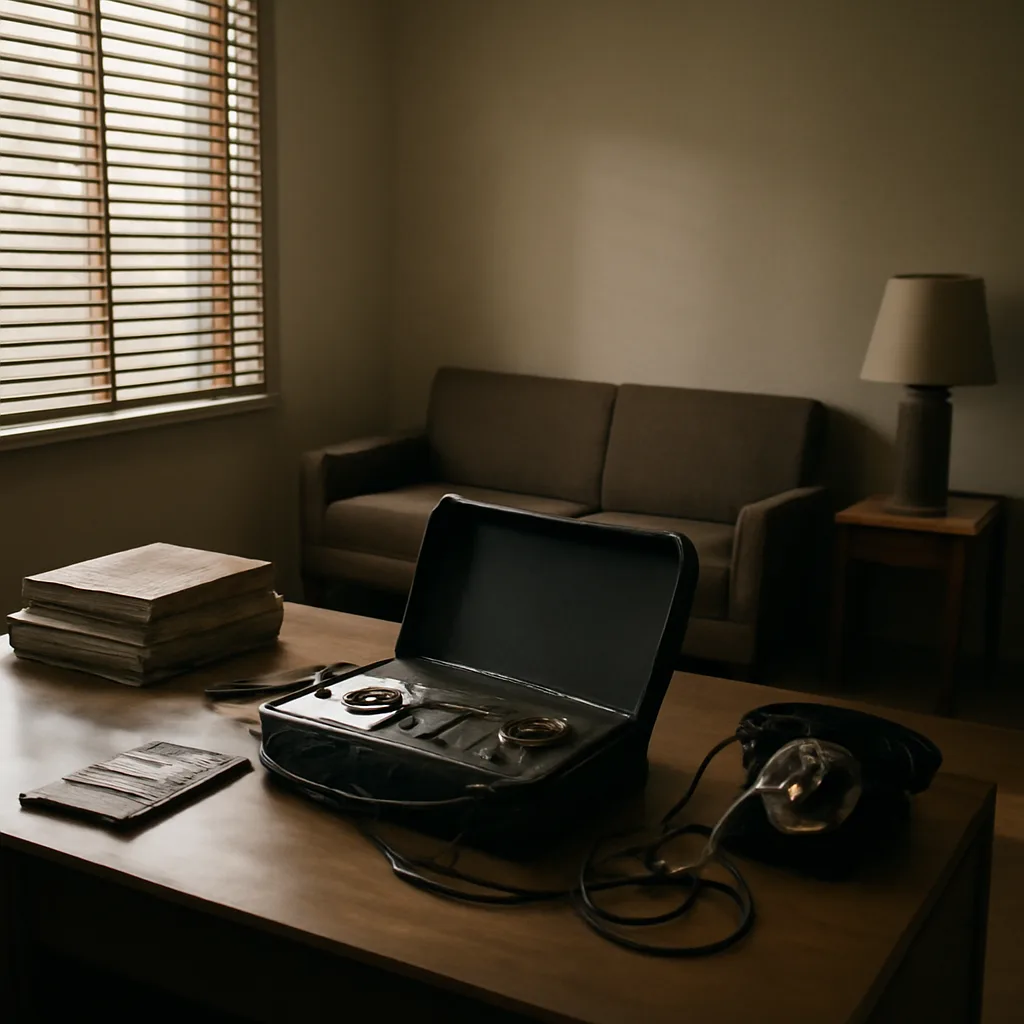
On January 9, 1962, the FBI, under directives to monitor civil rights leaders, placed Martin Luther King Jr. under electronic surveillance, marking a significant escalation in federal scrutiny of the movement’s leadership.