On this day: June 23
First public demonstration of night-vision technology, June 23, 1939
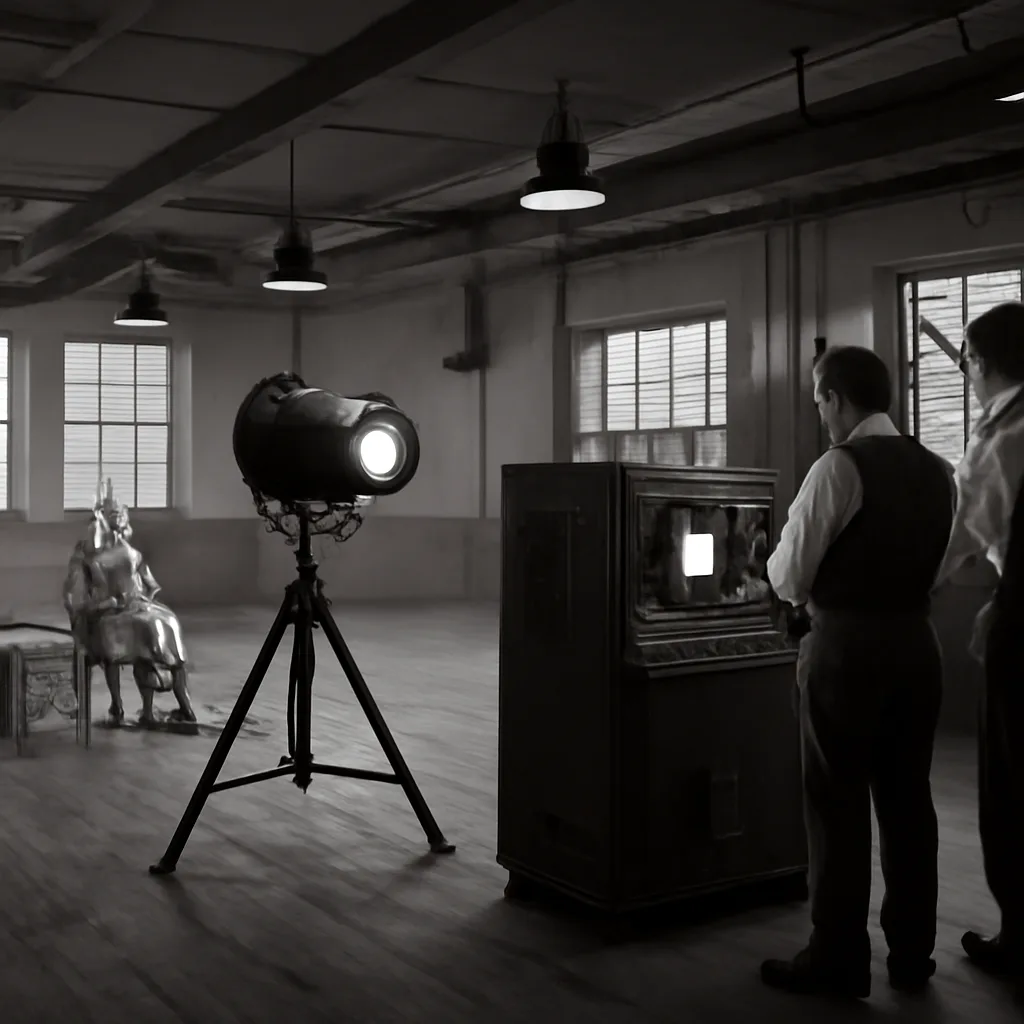
On June 23, 1939, inventors publicly demonstrated early active infrared night-vision equipment that used infrared searchlights and image converters, marking one of the first recorded public displays of night-vision technology.
FDA Approves First Oral Contraceptive Pill
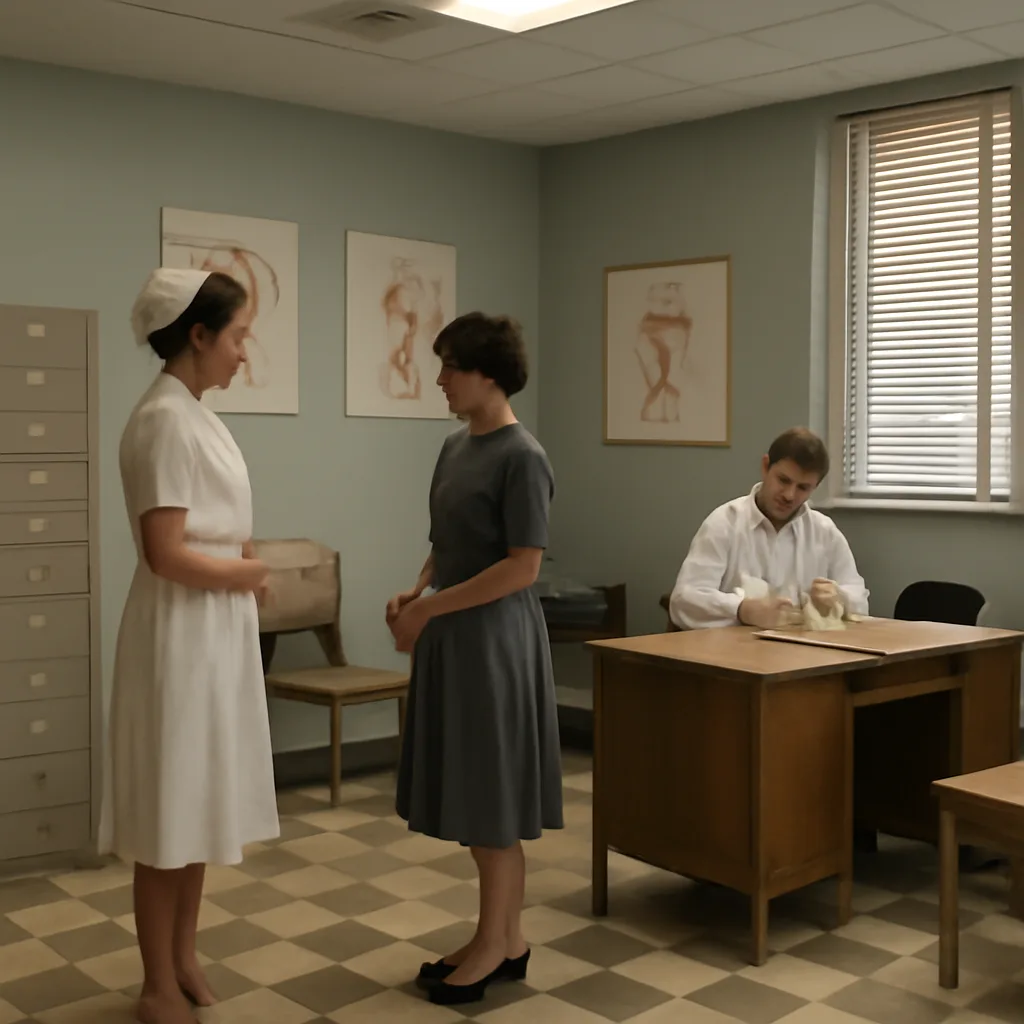
On June 23, 1960, the U.S. Food and Drug Administration approved Enovid for use as an oral contraceptive, marking the first time a chemical method of birth control was authorized for widespread medical use in the United States.
1972 Managua earthquake levels large parts of city, causes thousands of deaths

On June 23, 1972, a powerful earthquake struck Managua, Nicaragua, destroying large sections of the city and causing thousands of deaths and widespread homelessness amid a contested and chaotic relief response.
UK votes to leave the European Union in 2016 referendum

On 23 June 2016, voters in the United Kingdom voted in a national referendum to leave the European Union, a decision that set in motion significant political, economic and constitutional changes for the UK and its relationship with Europe.
Early roller coaster tragedy at New Jersey trolley park, June 23, 1912
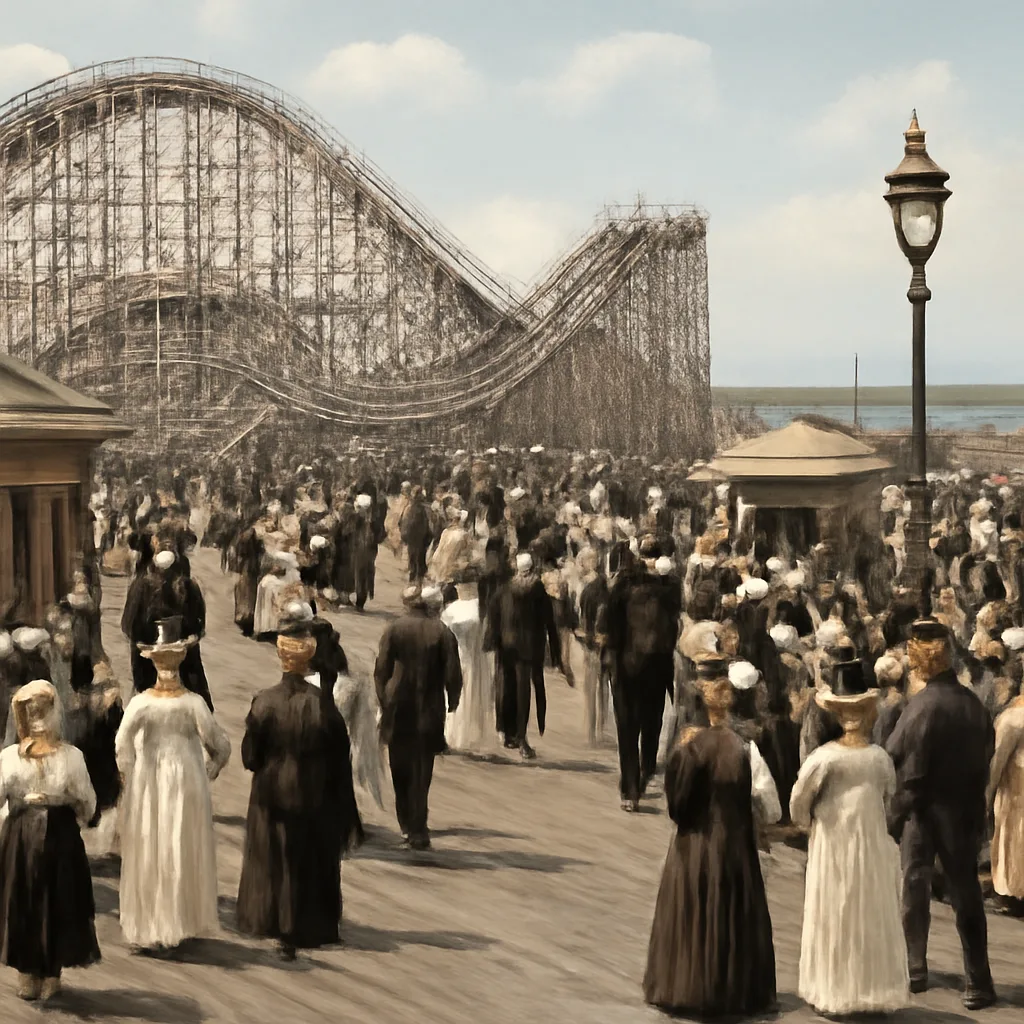
On June 23, 1912, a derailment on the Giant Dipper-style roller coaster at Asbury Park's nearby trolley park (later known as the Seaside Heights/Steeplechase area) killed four riders and injured several others, prompting scrutiny of early amusement ride design and safety practices.
Deadly 1972 Managua earthquake flattens city, kills thousands

On June 23, 1972, a powerful earthquake struck Managua, Nicaragua, causing widespread destruction of the capital and killing an estimated several thousand people; the disaster displaced tens of thousands and reshaped the country’s political and urban landscape.