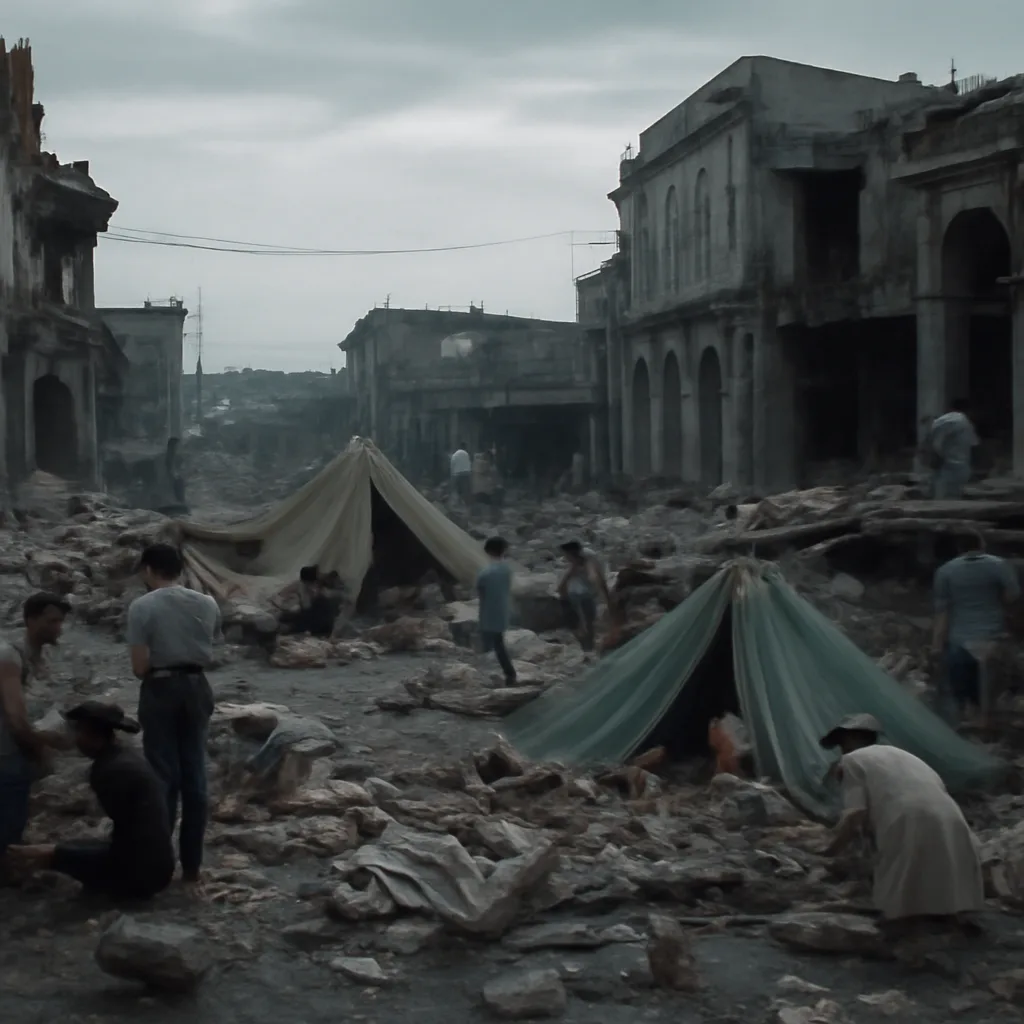
Deadly 1972 Managua earthquake flattens city, kills thousands
On June 23, 1972, a powerful earthquake struck Managua, Nicaragua, causing widespread destruction of the capital and killing an estimated several thousand people; the disaster displaced tens of thousands and reshaped the country’s political and urban landscape.
On the evening of June 23, 1972, Managua, Nicaragua’s capital, was struck by a powerful earthquake that devastated much of the city. The quake occurred around 10:30 p.m. local time and produced intense ground shaking that flattened large sections of the urban core, destroying homes, public buildings, and key infrastructure. Estimates of the death toll vary; contemporary reports and later historical accounts place the number of fatalities in the thousands, with many more injured and an estimated tens of thousands left homeless.
Damage and immediate effects
The earthquake caused extensive structural collapse across Managua. Residential neighborhoods, commercial districts, hospitals, schools, and government buildings were heavily damaged or destroyed. Fires broke out in some areas amid the rubble, complicating rescue efforts. Communication and transport links were disrupted, hampering coordination of relief. Hospitals that remained standing were overwhelmed by the injured.
Humanitarian response and displacement
Local emergency responders, neighbors, and clergy joined in immediate rescue and recovery work. International assistance followed in the days after the quake, with governments and relief agencies providing medical aid, emergency supplies, and temporary shelter. Large numbers of survivors lived in makeshift camps, public plazas, and tents while facing shortages of food, clean water, and sanitation. The displacement contributed to public health risks and long-term hardship for many families.
Political and social consequences
The disaster had major political and social repercussions in Nicaragua. The government’s response was widely criticized as slow and inadequate, a perception that heightened public dissatisfaction. Reconstruction efforts were uneven and, according to historians, often entangled with political interests and questions about corruption and allocation of international aid. The earthquake altered urban development patterns in Managua, as large swathes of the old city were not rebuilt in their previous form and some neighborhoods were left largely abandoned.
Longer-term impacts
Beyond the immediate loss of life and property, the 1972 earthquake contributed to longer-term economic and social strain. The destruction of businesses and infrastructure hampered economic activity, while the housing crisis persisted for years. The event is frequently cited by scholars as one factor among many that intensified political tensions in Nicaragua during the 1970s, which ultimately fed into broader social and political upheavals later in the decade.
Commemoration and historical memory
The earthquake remains a significant and traumatic memory in Nicaraguan history. Surviving records, photographs, and testimonies document the scale of destruction and the human cost. Precise figures for casualties and losses vary by source, reflecting the chaos of the immediate aftermath and differing methodologies in later assessments. Nevertheless, the June 23, 1972 earthquake is widely recognized as one of the most catastrophic natural disasters in Nicaragua’s modern history.