
07/21/1990 • 4 views
Boxer Fought Full Bout with Undetected Neck Fracture
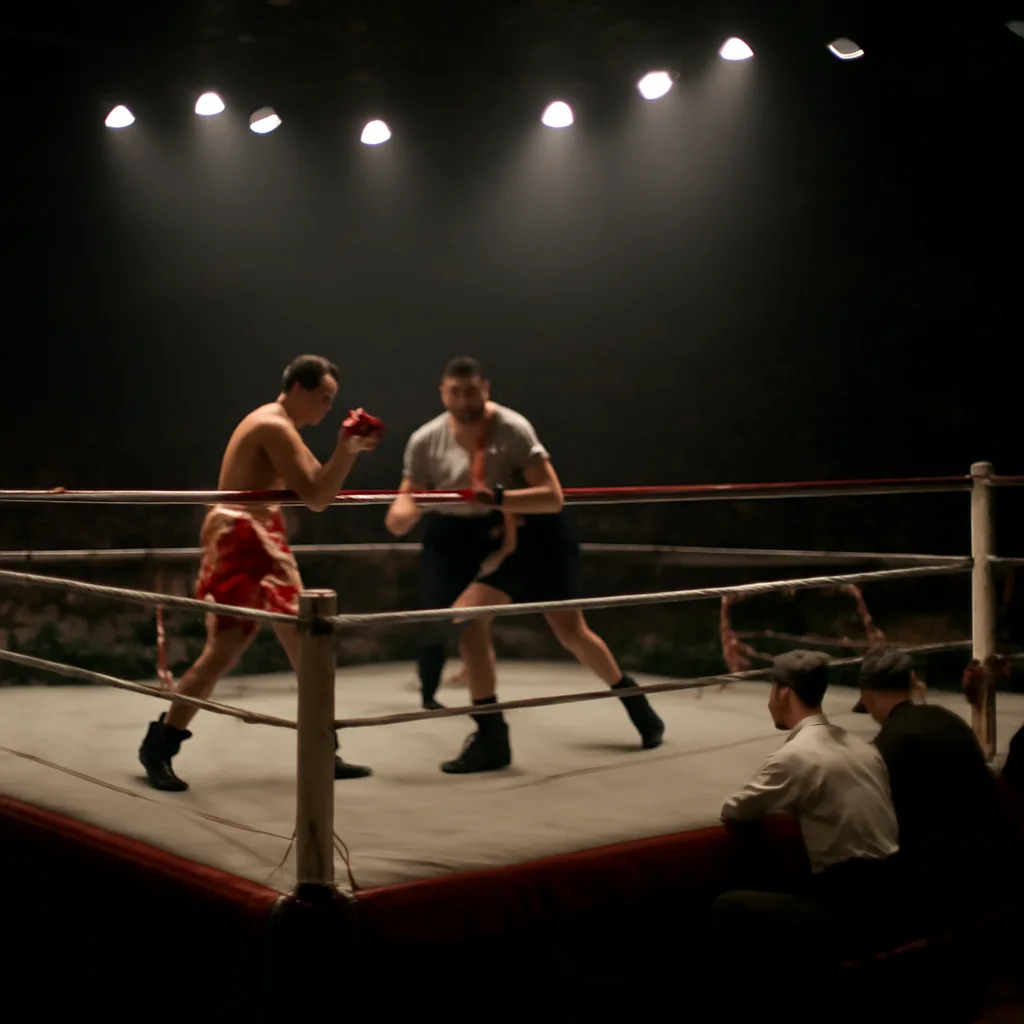
On July 21, 1990, a professional boxer completed a scheduled fight despite sustaining a cervical spine fracture during the bout; the injury was not diagnosed until after the contest. The case raised questions about ringside medical assessment and post-fight protocols.
Medical and sports-history accounts of boxing in the late 20th century note that cervical spine injuries in contact sports can present with subtle or delayed symptoms. A neck fracture may not always produce instant, dramatic neurological deficits; pain, stiffness, or limited range of motion sometimes appear only after the adrenaline of competition subsides. In this 1990 case, those dynamics contributed to the injury being overlooked during live ringside examination.
At the time, ringside medical protocols varied by jurisdiction and sanctioning body. Immediate post-fight assessments typically emphasized concussions and visible trauma; imaging such as X-ray or CT scanning was usually performed only when clinical suspicion was high. This incident highlighted gaps in on-site screening practices and prompted discussions among physicians, athletic commissions, and promoters about when to escalate to radiologic evaluation.
The case drew attention to several safety issues: the difficulty of identifying spinal injury in a high-adrenaline environment, the limits of visual and manual examination without imaging, and the reliance on fighters’ self-reporting of pain or neurological symptoms. Contemporary medical literature recommends a low threshold for immobilization and imaging when mechanisms of injury or reported symptoms suggest possible cervical involvement. In response to incidents like the 1990 case, some jurisdictions strengthened protocols for ringside medical staffing and for decision-making authority to remove a fighter from competition.
This episode also underscores the perennial tension in combat sports between athlete autonomy, competitive schedules, and medical caution. Fighters and corners may understate symptoms to avoid fight cancellations, while ringside physicians must make rapid judgments with incomplete information. Improved awareness of spinal injury presentation and expanded use of pre- and post-fight medical screening have been part of the sport’s gradual evolution in the decades since.
Public records and contemporary press coverage documented the diagnosis and ensuing medical care, but details such as the fighter’s name, long-term outcome, and specific medical timeline can vary across sources. Where records are incomplete or differ, historians and medical reviewers treat the core facts conservatively: a cervical fracture occurred during a July 21, 1990, boxing match and was not detected until after the fight concluded, prompting calls for improved ringside medical procedures.
The incident remains a cited example in discussions of ringside safety, illustrating how serious spinal injuries can be masked in the heat of competition and why protocols that favor cautious immobilization and timely imaging are essential in contact sports.