
← Back
01/19/2018 • 5 views

Partial release of JFK assassination files leaves questions unresolved
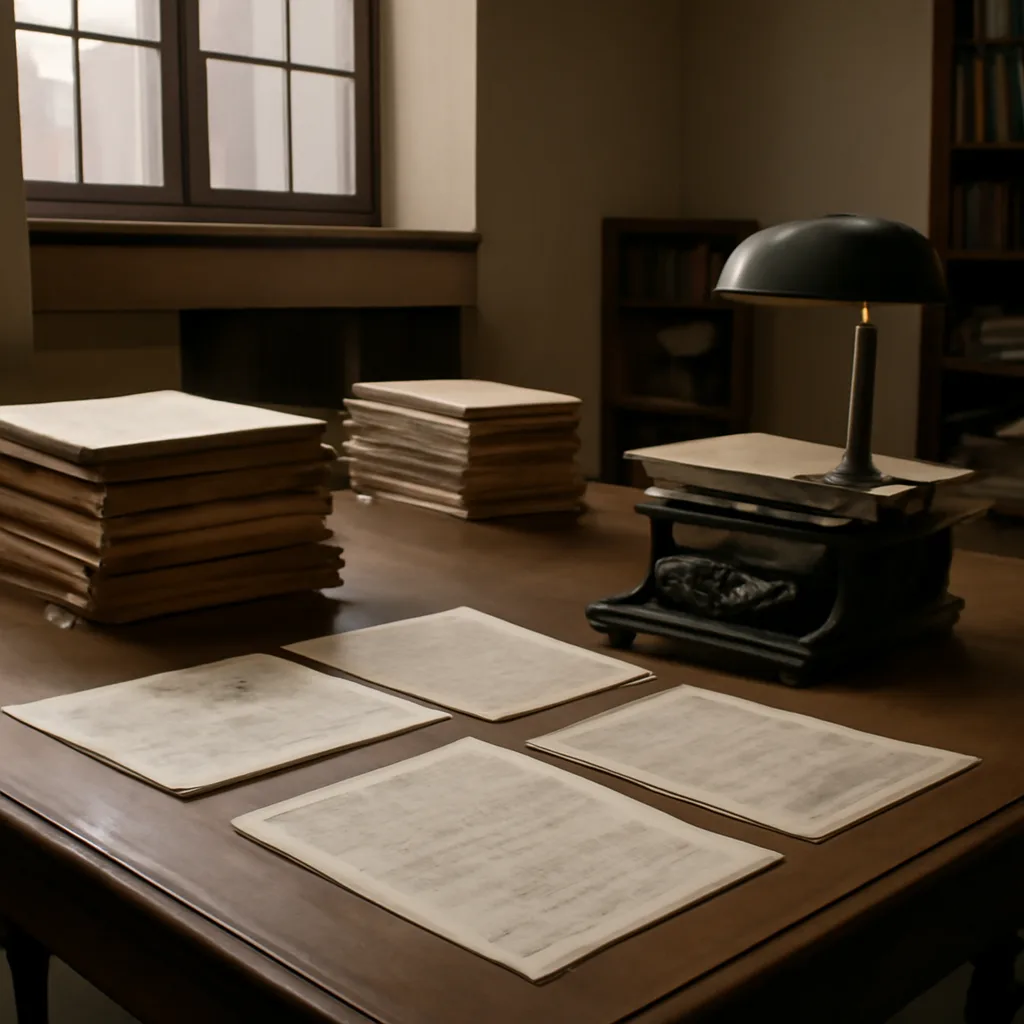
Stacks of archival folders and declassified government documents with stamped dates, on a table in a reading room; no identifiable people shown.

On Jan. 19, 2018, the U.S. government released additional documents from the JFK assassination record, providing new details but leaving major questions and redactions intact. Historians welcomed incremental transparency while noting limits to what the files reveal.


On January 19, 2018, the U.S. government released a tranche of documents related to the assassination of President John F. Kennedy, continuing a phased disclosure process mandated by the 1992 President John F. Kennedy Assassination Records Collection Act. The release added tens of thousands of pages drawn from FBI, CIA and other federal agency holdings, but many documents remained fully or partially redacted or were withheld for further review.

Background
The Assassination Records Collection Act of 1992 sought to make the official record of Kennedy’s 1963 assassination as transparent as possible by collecting relevant federal records in the National Archives and setting deadlines for full public disclosure. Under the statute, the president could delay release of records for national security, law enforcement, or foreign relations reasons, but such delays required periodic review. A major batch of previously classified material was released in 2017; the January 2018 release was one of subsequent scheduled disclosures.

What was released
The newly released files included FBI and CIA memoranda, intelligence reports, and internal agency notes that illuminate aspects of the government’s post-assassination investigations and information-sharing practices. Researchers found entries documenting contemporaneous leads, interviews, and evaluations of potential conspiratorial connections. Some records provided further context about domestic and foreign intelligence concerns in the months following the assassination.

What was not released or remains unclear
Despite the volume of material, many pages contained heavy redactions or were withheld in full. Agencies cited ongoing national security, law enforcement, and privacy considerations as reasons for continued non-disclosure. As a result, central questions about whether additional conspirators existed beyond Lee Harvey Oswald, and the full scope of agency knowledge and actions in the immediate aftermath, were not definitively resolved by this release.

Reaction from historians and researchers
Historians and independent researchers generally described the release as useful but limited. Scholars noted that the new documents help clarify some administrative timelines and internal agency perceptions but do not provide a decisive answer to long-standing disputes about the assassination’s circumstances. Archivists and researchers emphasized that piecing together a fuller account still requires careful cross-referencing of disparate records, many of which remain partially redacted.

Legal and political context
The pace and scope of releases have repeatedly become matters of public debate and legal scrutiny. The 1992 law established a strong presumption in favor of disclosure, but successive administrations have used authority to delay or redact certain files. Advocates for full transparency have pushed for complete declassification, while agencies maintain some exemptions. The Department of Justice and intelligence agencies have periodically reviewed materials to determine what can be made public without harming national security or other interests.

What to watch next
Officials indicated further staged releases and reviews would continue as required by law and executive decisions. Researchers and journalists continued to press for the unredacted release of specific documents they argue are central to unresolved questions. Meanwhile, public interest in the assassination’s archival record remains high, ensuring that each new release prompts renewed scrutiny and analysis.

Conclusion
The January 19, 2018 release added detail to the documentary record of the Kennedy assassination and the federal government’s response, but it did not close long-standing debates. The combination of newly available material and continuing redactions reinforced the view that, while transparency has increased incrementally, a fully unvarnished account remains incomplete.

Share this

Email Share on X Facebook Reddit

Did this surprise you?