
← Back
01/19/2002 • 5 views

How the 'Tuck Rule' Game Rewrote an NFL Season
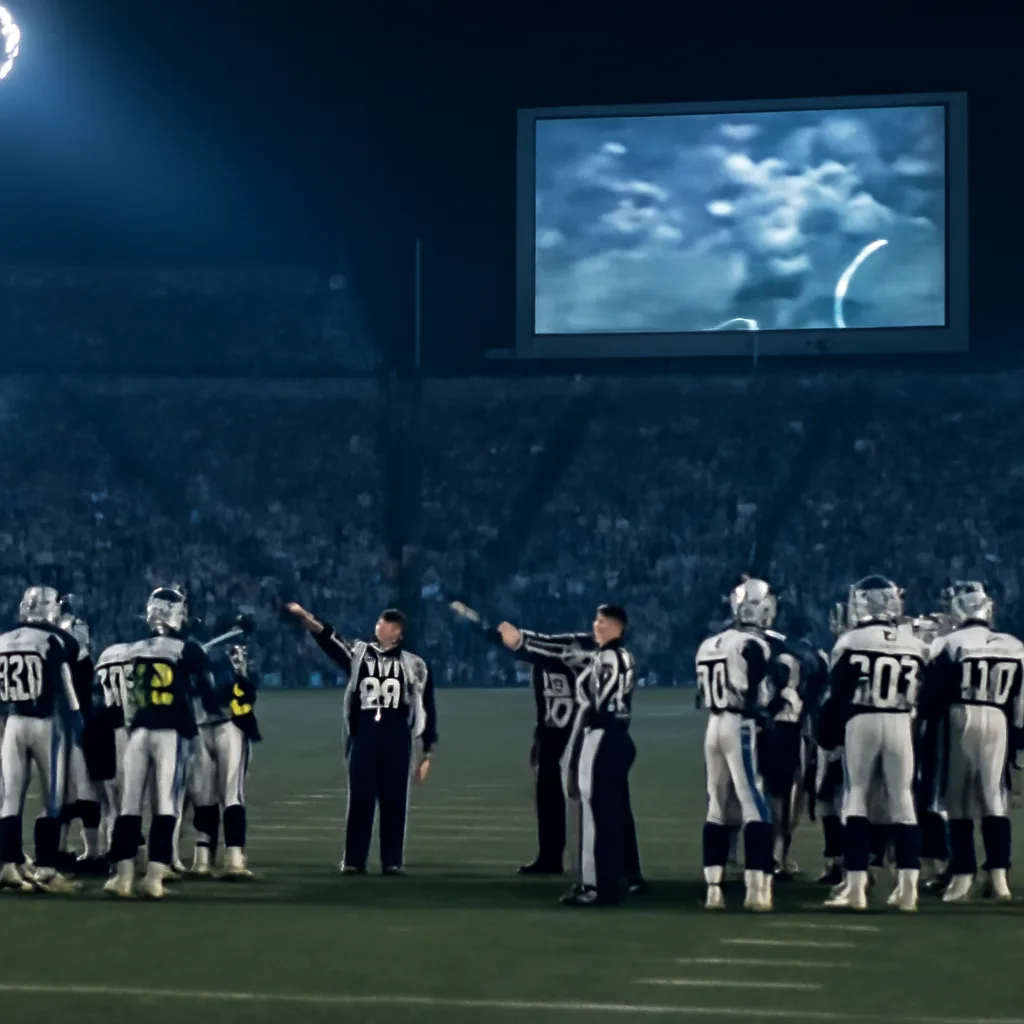
Cold evening at Foxboro Stadium in January 2002: players clustered near the sideline after a quarterback hit, referees conferring, and the crowd in winter clothing watching overhead replay on the stadium board.

On January 19, 2002, a controversial ruling known as the 'tuck rule' overturned what appeared to be a game-sealing fumble by Tom Brady, extending the Raiders–Patriots AFC playoff game and altering the trajectory of both franchises and NFL rulemaking.


On January 19, 2002, in an AFC divisional playoff game at Foxboro Stadium, a single controversial officiating decision—later framed by the public as the "tuck rule" call—had outsized consequences for the NFL. Late in the fourth quarter, with the Oakland Raiders leading the New England Patriots 13–10, Patriots quarterback Tom Brady dropped back to pass. Raiders cornerback Charles Woodson blitzed and hit Brady as he began a motion that ended with the ball coming loose. On the field, the play was initially ruled a fumble and recovered by Oakland, a turnover that would likely have ended the Patriots' season.

After a conference among officials, referee Walt Coleman announced that the play would be reviewed. Under the NFL's instant-replay system then in use, replay officials examined the footage and determined that Brady's arm was moving forward in a passing motion and that the ball had been intentionally 'tucked' back toward his body when it came out. Applying the league's tuck rule—as written at the time—the play was ruled an incomplete pass, not a fumble. Possession reverted to New England, which retained the ball and later tied the game with a field goal. The Patriots won in overtime, 16–13.

The immediate aftermath was explosive. Fans and commentators denounced the decision; many Raiders supporters and some analysts argued that the ball had been clearly knocked loose during a tucking motion and that the ruling stretched the language of the rule to an implausible conclusion. The call became a defining grievance for Oakland fans. For New England, the reprieve proved pivotal: the victory propelled the Patriots deeper into the playoffs and into a Super Bowl-winning run that inaugurated the franchise's early-21st-century dynasty under coach Bill Belichick and quarterback Tom Brady.

The tuck rule itself traced to a specific passage in the NFL rulebook that distinguished between a forward pass and a fumble when a quarterback's arm was moving forward. If the quarterback had begun a passing motion—even if he brought the ball back toward his body—and the ball came out while the arm was moving back into the body, the play could be ruled an incomplete pass. The rule had been on the books for years but had rarely drawn attention until that moment.

Public reaction to the call spurred debate inside the league about clarity, fairness, and the role of replay. Critics argued that the rule was overly technical and counterintuitive to fans, players and coaches. Supporters of repeal argued that the rule created perverse incentives and inconsistent outcomes. In 2013, more than a decade after the game, NFL owners voted to repeal the tuck rule, converting the contested language so that when a quarterback loses possession while trying to bring the ball back to his body, it would be treated as a fumble.

Beyond the rule change, the play had significant institutional effects. The Patriots’ victory kept an emergent quarterback—Brady—in the spotlight and preserved a playoff run that culminated in New England's first Super Bowl win under Belichick and Brady. For the Raiders, the call became a rallying point for grievances about officiating and fortune; it is widely cited in accounts of the franchise's fortunes in the 2000s. The tuck-rule game endures as a touchstone case study in how a single officiating interpretation can influence public trust, league policy, and team histories.

Today the tuck-rule game is often invoked in discussions about replay, rule clarity and how leagues should balance technical accuracy against the appearance of fairness. The play remains reliably quoted in histories of the era, but interpretations differ depending on perspective: some see it as the product of a precise, if unpopular, application of existing rules; others view it as emblematic of rules that needed to be rewritten. Either way, the call on January 19, 2002, reshaped rulemaking in the NFL and left a lasting imprint on the narratives of two franchises.

Share this

Email Share on X Facebook Reddit

Did this surprise you?