
← Back
09/11/2000 • 5 views

Britain Hit by Mass Fuel Protests Disrupting Transport Nationwide
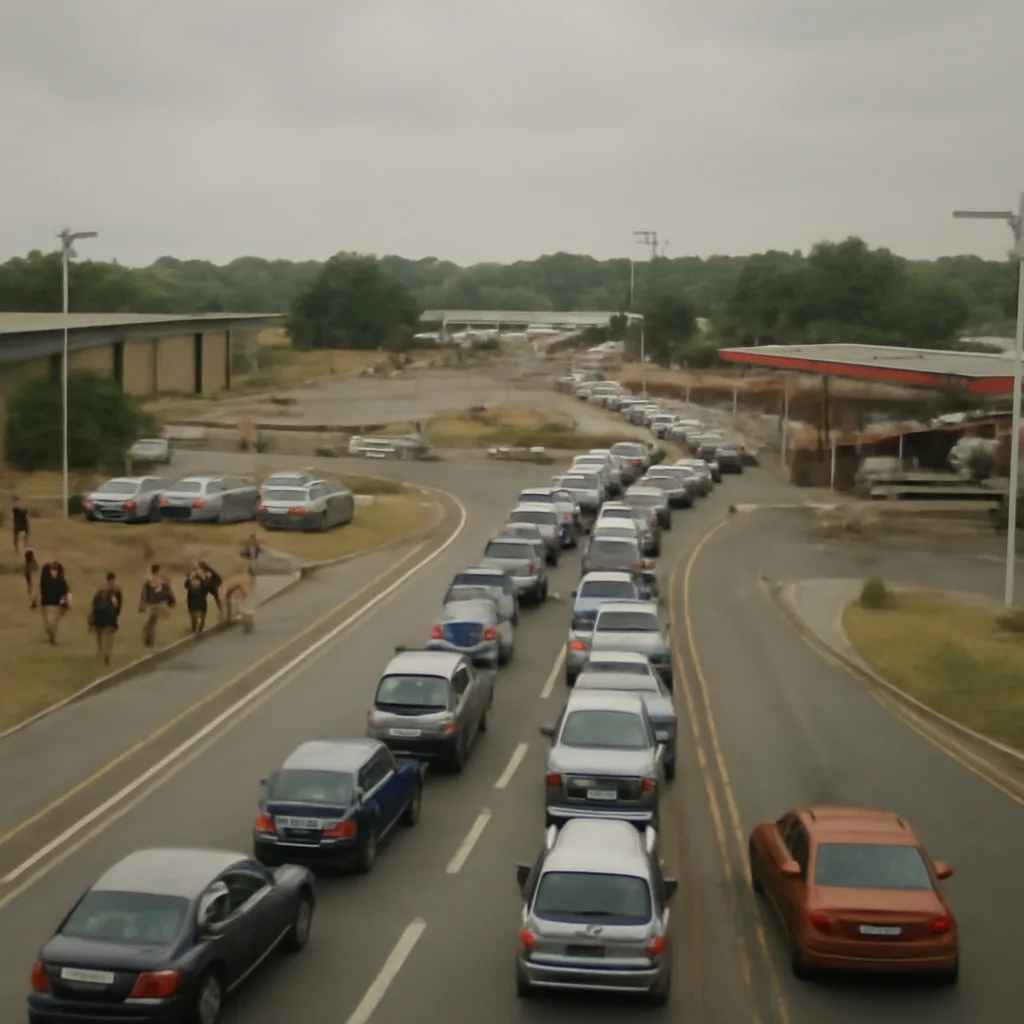
Long line of cars queuing at a closed petrol forecourt near a motorway junction with protesters and police vehicles visible in the distance.

On 11 September 2000, widespread protests over fuel prices and taxes brought much of Britain’s road and rail networks to a standstill as blockades at refineries, fuel depots and major junctions caused fuel shortages and travel chaos.


On 11 September 2000, Britain experienced mass protests focused on rising fuel costs that severely disrupted transportation across the country. Demonstrators—many linked to the fuel protest movement that had been active since late August—staged blockades at oil refineries, fuel distribution depots, and key road junctions. The actions curtailed deliveries to petrol stations, prompting long queues, temporary closures of forecourts and concern among local authorities and businesses about widening shortages.

The protests followed months of grievance over high petrol and diesel prices, which campaigners blamed on fuel duty and taxation rather than supply issues. Organisers used convoys, sit-ins and blockades to obstruct the flow of fuel from inland depots to retail stations, and to disrupt traffic on motorways and arterial routes. Some blockades were reported near major distribution hubs and at ports handling fuel imports. The scale and coordination of these actions amplified their impact: as supplies failed to reach retail outlets, retailers rationed sales and many motorists found forecourts closed.

Transport services were also affected beyond road travel. Bus operators faced shortages of diesel and cut or rerouted services in several areas. Taxi drivers reported difficulty obtaining fuel. In some regions, local authorities considered or implemented emergency measures to prioritise deliveries for essential services, such as ambulances and police vehicles. Rail services were disrupted in places where services rely on road transport for crew and engineering supplies, and staff shortages exacerbated delays. Airports reported localized issues relating to ground transport and staff commuting rather than direct aviation fuel shortages.

The government urged restraint from both protesters and motorists, warning that prolonged blockades could threaten supplies of heating oil to rural communities and disrupt supermarket stock deliveries. Officials engaged with industry representatives and law enforcement to clear blockades when public safety was at risk, but policing such dispersed actions presented a logistical challenge. Union reactions were mixed, with some transport and haulage unions condemning the tactics for endangering jobs and public order, while sympathetic voices within rural and motorist groups expressed understanding of the frustrations driving the protests.

Economic effects were immediate in affected areas: local businesses reliant on road deliveries reported shortages of goods, and some smaller enterprises reduced opening hours. The disruption also prompted discussion in Parliament and media about the links between taxation, fuel prices and fairness for motorists, farmers and hauliers. Political leaders faced pressure to address the underlying grievances while balancing the need to uphold law and order and ensure the uninterrupted supply of essential goods and services.

By the end of September the intensity of blockades had diminished, in part because of law enforcement actions and targeted government responses, as well as the natural easing of public attention. However, the protests underscored the vulnerability of fuel distribution networks and the potential for coordinated civil actions to produce rapid, widespread disruption. They also contributed to an ongoing national debate about fuel policy, taxation and measures to protect vulnerable communities from sudden supply shocks.

This account is based on contemporaneous reporting and public records of the September 2000 fuel protests in Britain. Specific details—such as precise locations of every blockade and the full list of participating organisations—varied across sources and over the course of the protests.

Share this

Email Share on X Facebook Reddit

Did this surprise you?