
11/28/1969 • 5 views
Charles de Gaulle Announces Unexpected Resignation After 1969 Referendum Defeat
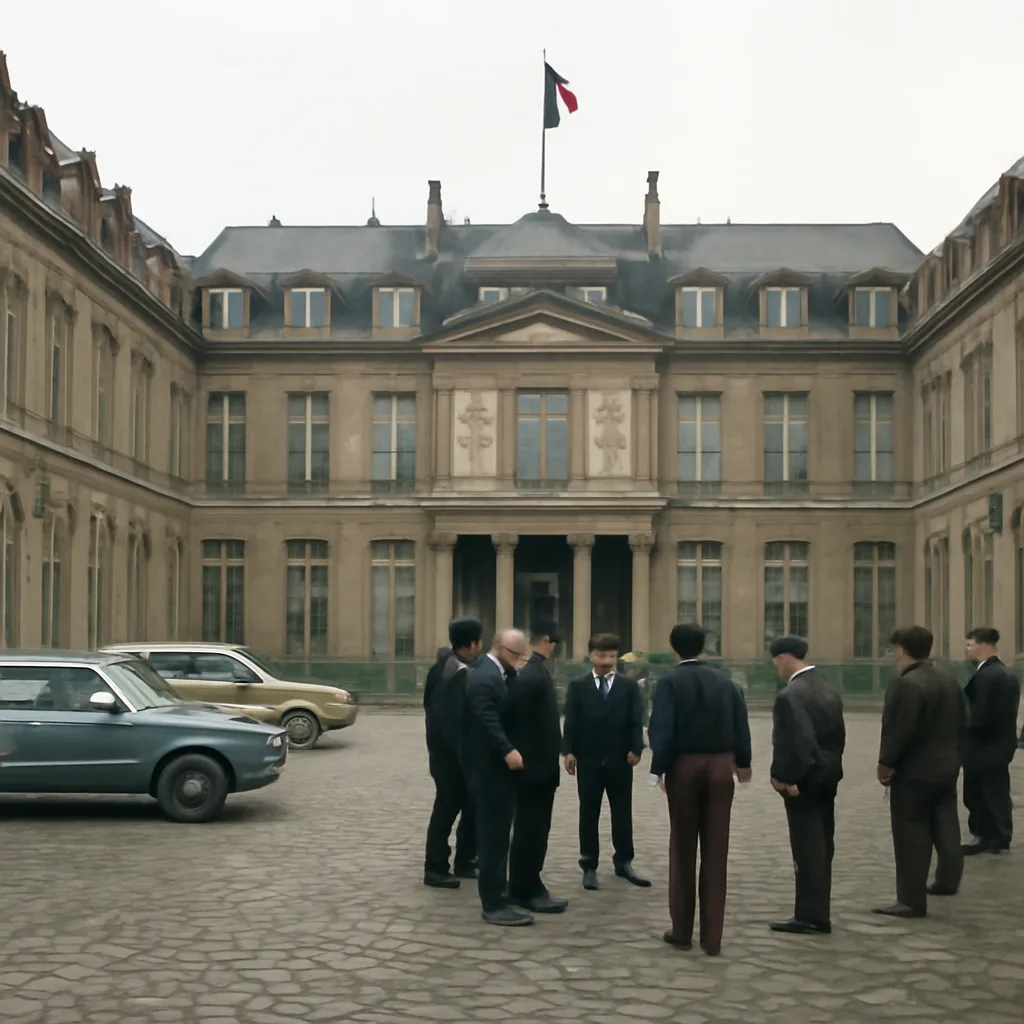
On 28 November 1969, following the defeat of a constitutional reform referendum, French President Charles de Gaulle unexpectedly announced his resignation, ending his decade-long dominance of French politics and prompting a rapid transition of power.
Context and background
De Gaulle returned to power amid the Algerian crisis and political instability, shaping a strong presidential system under the 1958 Constitution. Over the 1960s he pursued policies of national independence in foreign affairs, economic modernization, and a distinct vision of executive authority. By 1969 his authority had been tested: the nationwide unrest of May 1968 exposed social and political divisions, and some of his later proposals aimed to reform domestic institutions.
The referendum and its stakes
The 1969 referendum asked voters to approve reforms including the restructuring of regional government, changes to the Senate’s role, and measures affecting public administration. De Gaulle had tied his personal political future to the referendum’s outcome by stating that a negative result would lead him to resign. Opponents across the political spectrum—left-wing groups, Gaullist critics, and centrist opponents—campaigned against the measure for different reasons, turning the referendum into a broader contest over de Gaulle’s continuing role.
Result and immediate reaction
Voters rejected the proposal by a narrow margin. De Gaulle, consistent with his prior statement, announced his resignation the same day. He informed Prime Minister Maurice Couve de Murville and delivered his resignation to the Constitutional Council; General de Gaulle’s departure set in motion the constitutional procedures for presidential succession under the Fifth Republic.
Consequences and significance
De Gaulle’s resignation marked the end of a transformative era in French politics. It removed the defining figure who had centralized executive power and pursued an independent foreign policy, including withdrawal from NATO’s integrated command and a nuclear deterrent. Domestically, his departure opened space for political repositioning: his Gaullist movement persisted but had to adapt without his personal leadership. The presidency passed to an interim process leading to elections in which Georges Pompidou, a former Prime Minister and Gaullist ally, was elected in 1969, continuing some Gaullist policies while steering the Republic into a new phase.
Historical assessments
Historians view the 1969 resignation as both the culmination of de Gaulle’s personal style of leadership—where the fate of institutions was closely tied to his will—and as a consequence of social and political strains revealed in the 1960s. Scholarly interpretation emphasizes that by tying his tenure to the referendum, de Gaulle made his departure a probable outcome if public sentiment did not align with his reforms. The event is routinely cited as a key turning point in the consolidation and adaptation of the Fifth Republic.
Uncertainties and disputes
There is broad agreement on the sequence of events—referendum defeat followed by resignation—but historians debate the extent to which the 1968 upheavals, economic factors, and intra-Gaullist divisions each contributed to the referendum’s rejection. Primary documentation and contemporary press reports confirm the date and the formal procedures used to effect the resignation.
Legacy
De Gaulle remained a towering and contested figure in French memory after leaving office. His constitutional framework endured, but the manner of his exit—abrupt and tied to a direct popular vote—remains a distinctive episode illustrating the interplay between personal leadership and republican institutions in modern France.