
11/02/2019 • 5 views
College Football Coach Fired After Disguising Himself to Scout Opponents
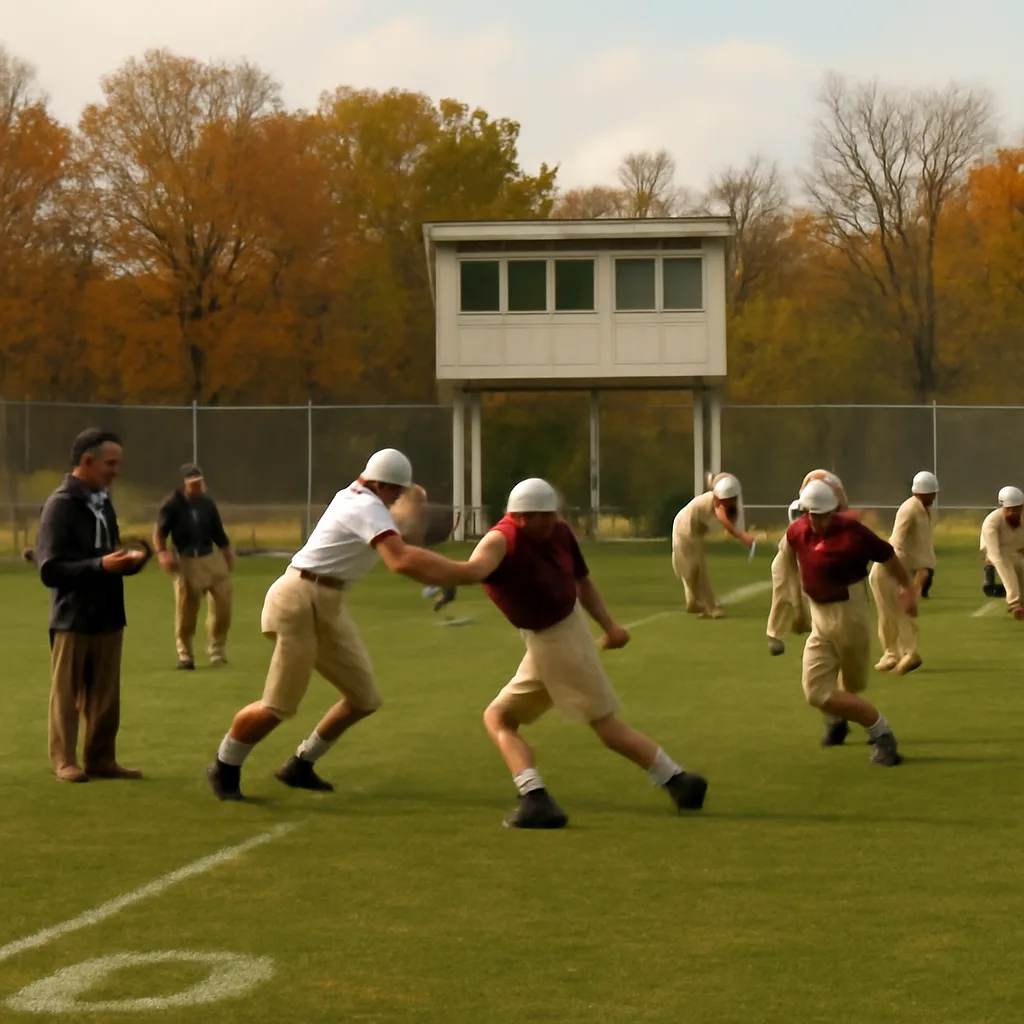
A college football coach was dismissed after admitting he disguised himself to attend an opposing team's practice and film the session on November 2, 2019. The incident prompted an internal investigation and sanctions by the school's athletic department.
According to contemporaneous reporting, the coach had not been authorized to attend the other program’s closed practice and used a disguise to avoid detection. Once the coach’s actions became known, the athletic department launched an internal review to determine the facts and whether school policies or conference bylaws had been violated. The review concluded that the coach’s conduct was inconsistent with the institution’s expectations, and he was dismissed from his position.
The firing led to discussions within the athletics community about acceptable scouting practices. College and professional teams routinely scout opponents by attending games, watching publicly available film, and using permitted in-person observation; however, closed practices and scrimmages are generally off-limits unless explicit permission is granted. The coach’s attempt to circumvent those boundaries was characterized by administrators and commentators as a breach of trust and ethical standards.
The institution imposed internal sanctions by terminating the coach’s employment. Separate responses from the opponent program and the conference varied: some officials publicly denounced the tactic, while others emphasized adherence to established procedures for reporting and handling such incidents. There is no evidence that competitive advantages gained by the recording changed game outcomes; rather, the matter centered on the propriety of the method used to obtain information.
Legal consequences were not widely reported in connection with the incident, and it appears that the primary repercussions were administrative and professional. The episode also prompted athletic departments to review their own security and media policies for closed events and to remind staff and coaches of the limits on scouting and recording opponents.
The case serves as a cautionary example in sports ethics courses and compliance training: even in highly competitive environments, personnel are expected to follow rules and institutional norms governing fair play and respect for opponents. While scouting and game preparation remain central to coaching, the means of acquiring information carry reputational and employment risks if they violate explicit bans or the spirit of competition.
Because reporting at the time focused on the actions and consequences rather than on unverified personal details, public accounts remain centered on the institutional response—dismissal and policy review—rather than on private motives or unverifiable specifics about the disguise itself. This account relies on contemporaneous news coverage and institutional statements summarizing the investigation and subsequent dismissal.