
← Back
01/03/1971 • 5 views

Court Unseals Pentagon Papers, Allowing Publication of Classified Vietnam History
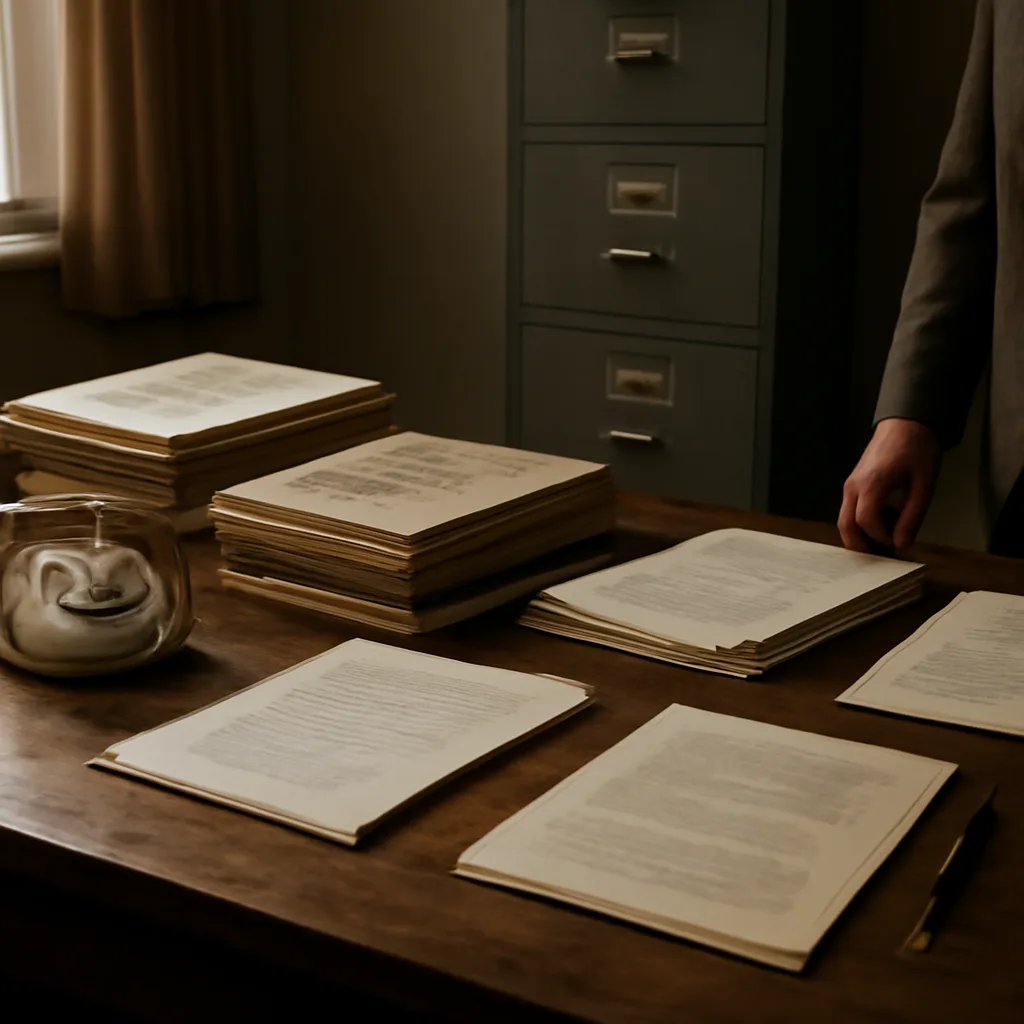
Stacks of printed governmental reports and newspapers on a table in an office, with visible headlines about the Pentagon Papers (no identifiable faces).

A federal court ruling on January 3, 1971, cleared the way for publication of the Pentagon Papers — a classified Department of Defense study of U.S. involvement in Vietnam — ending an immediate prior attempt by the Nixon administration to block newspapers from printing the material.


On January 3, 1971, the U.S. Court of Appeals for the Second Circuit declined to enjoin publication of the Pentagon Papers, effectively allowing newspapers to resume printing excerpts from a classified Department of Defense study chronicling U.S. political and military involvement in Vietnam from 1945 to 1967. The decision came amid a high-profile legal and political confrontation after the New York Times and the Washington Post began serializing the study in June 1971 following receipt of leaked copies.

Background
The Pentagon Papers, formally titled "Report of the Office of the Secretary of Defense Vietnam Task Force," was commissioned in 1967 by Secretary of Defense Robert McNamara to review U.S. policy and decision-making in Southeast Asia. The study runs to thousands of pages and concluded that successive administrations had misled the public about the scope and nature of American involvement in Vietnam.

Leak and initial publication
In early 1971, Daniel Ellsberg, a former Defense Department analyst who had access to the study, provided copies to journalists. The New York Times began publishing a series of articles based on the documents in June. The Nixon administration sought to stop further publication, arguing national security concerns, and obtained temporary restraining orders against the Times and later the Washington Post.

Court rulings and unsealing
The case quickly reached the federal appeals courts and ultimately the Supreme Court. On January 3, 1971, the Second Circuit's refusal to sustain the government's request for a continued prior restraint was one step in a sequence of decisions that culminated on June 30, 1971, when the Supreme Court ruled in New York Times Co. v. United States that the government had not met the heavy burden required for prior restraint. The January 3 action specifically removed an immediate legal obstacle, enabling continued reporting and publication by newspapers while broader constitutional questions were litigated.

Impact and significance
The unsealing and subsequent publications had profound political and legal effects. Public release of the study intensified scrutiny of executive conduct during the Vietnam War, contributed to growing public skepticism about government statements on national security, and fortified legal precedent limiting the government's ability to impose prior restraints on the press. The episode is widely regarded as a landmark moment for press freedom and for public understanding of the Vietnam conflict.

Contested details and classification status
While many portions of the Pentagon Papers have become publicly available through court proceedings and later declassification, some specific documents and ancillary materials remained classified for years and some elements were subject to redaction. Historians and journalists continue to study the papers alongside other archival holdings to refine understanding of decision-making during the era.

Legacy
The Pentagon Papers episode influenced subsequent debates over whistleblowing, classified information, and the balance between national security and the public's right to know. Legal scholars continue to cite the court battles for their reinforcement of First Amendment protections against government-imposed prior restraint.

Sources and verification
This summary is drawn from established court records and widely documented historical accounts of the Pentagon Papers litigation and publication; where interpretations or assessments vary among historians, those differences have been noted in secondary literature.

Share this

Email Share on X Facebook Reddit

Did this surprise you?