Dead Sea Scrolls Go Public: First Major Exhibition Opens
Fragments of the Dead Sea Scrolls, discovered decades earlier in the Judean Desert, were publicly exhibited on January 20, 1948, marking a key moment in the manuscripts’ transition from archaeological finds to objects of scholarly and public attention.
Background and discovery
Between 1946 and 1956, a series of ancient Hebrew, Aramaic and some Greek manuscripts known collectively as the Dead Sea Scrolls were recovered from caves near Qumran on the northwestern shore of the Dead Sea. The finds included biblical texts, sectarian manuscripts, and other writings dating from approximately the third century BCE to the first century CE. After their discovery, the scrolls were studied, conserved and gradually published by teams of scholars in Europe and the Middle East, a process that took decades.
The 20 January 1948 exhibition
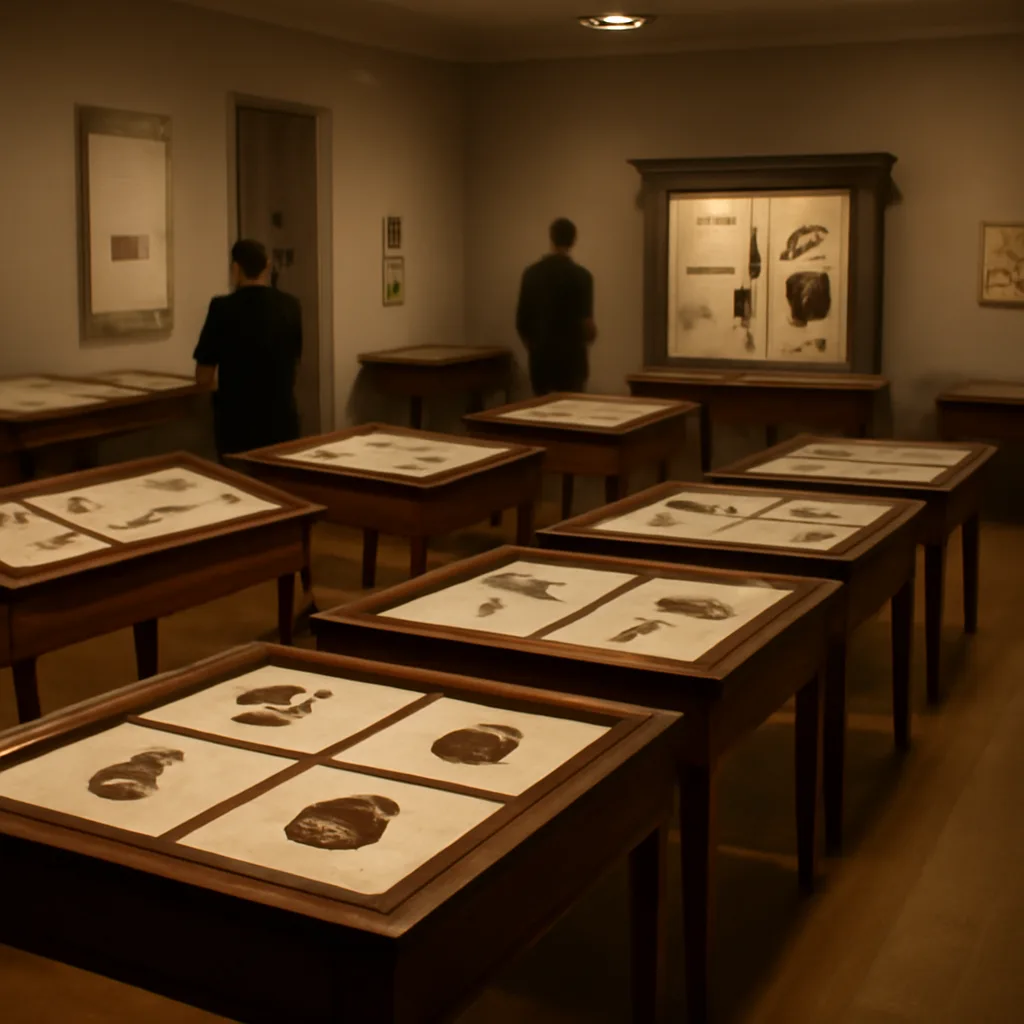
On 20 January 1948, some of the Dead Sea Scroll fragments were exhibited publicly for the first time. This presentation followed initial scholarly work to identify, photograph and stabilize fragile fragments so they could be displayed without undue risk of further damage. The exhibition introduced a broader public to texts that had significant implications for the study of early Judaism and the textual history of the Hebrew Bible.
Context and significance
The exhibition came at a turbulent moment in the region’s history: it preceded the end of the British Mandate for Palestine and the 1948 Arab–Israeli War. Control of archaeological finds, their publication and physical custody were matters of both scholarly and political concern. The display of scroll fragments in January 1948 helped to shift the scrolls’ status from newly discovered artifacts in the hands of a few specialists to objects of public and national interest.
Scholarly and public reactions
Scholars quickly recognized the importance of the scrolls for textual criticism, biblical studies and the history of Judaism in late antiquity. The public exhibition expanded awareness beyond academia and contributed to wider interest in antiquities and the ancient Near East. Over ensuing decades, additional fragments and better-preserved pieces were exhibited in museums and research institutions internationally, accompanied by extensive scholarly publication and debate.
Preservation and access
The scrolls are extremely fragile; conservation and controlled display have been central concerns since the 1940s. Advances in photography, multispectral imaging and digital publication in the late 20th and early 21st centuries have increased access to high-quality images of the texts while reducing the need to expose the originals to light and handling. Institutions that have held scroll fragments have balanced public exhibition with conservation protocols and scholarly access.
Legacy
The 1948 exhibition was an early step in the long process by which the Dead Sea Scrolls entered both scholarly literature and public consciousness. Today the scrolls remain central to studies of the Hebrew Bible’s textual history, the diversity of Jewish thought in the Second Temple period, and the material culture of ancient manuscript production. Their custody, publication history and display continue to be subjects of academic discussion and, at times, political sensitivity.