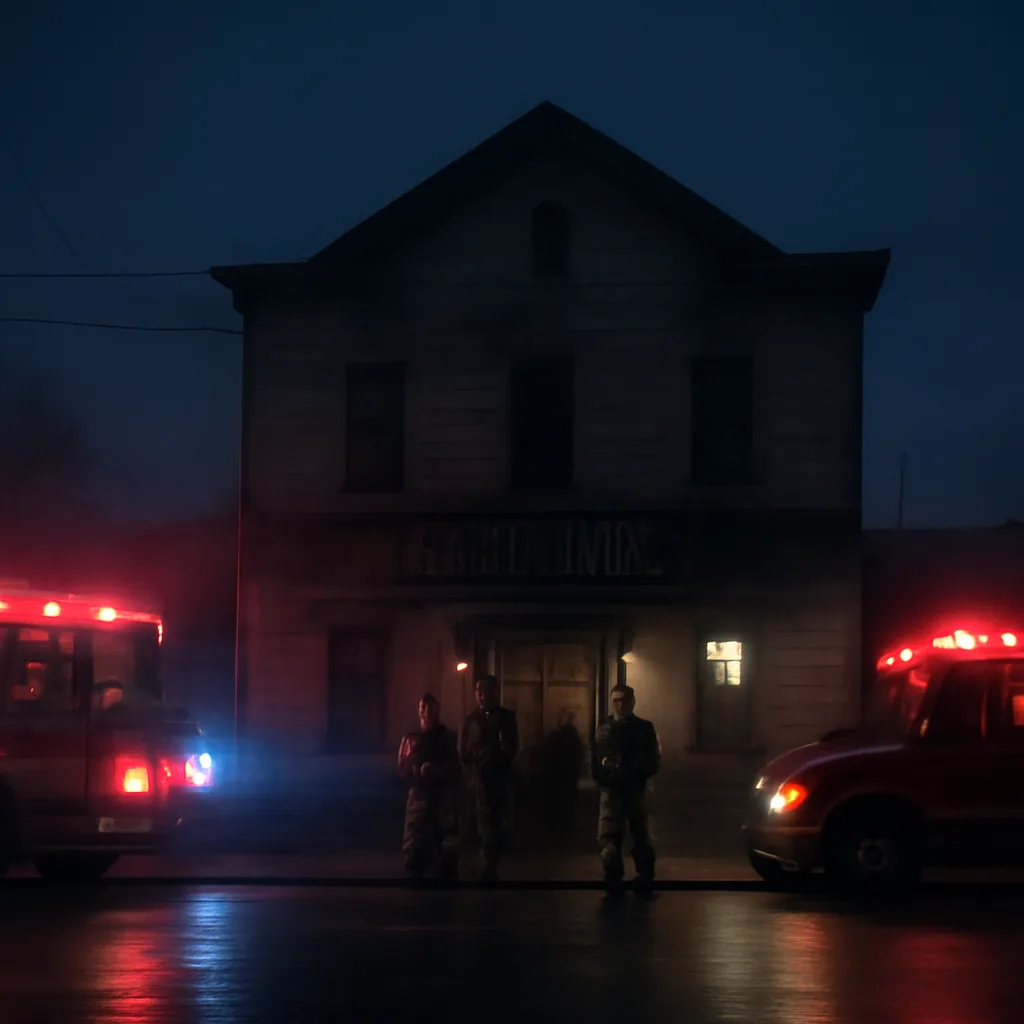
Deadly Nightclub Fire in Rhode Island Kills Dozens
On November 30, 2003, a fire at The Station nightclub in West Warwick, Rhode Island, during a concert caused one of the deadliest nightclub fires in U.S. history, killing 100 people and injuring hundreds more. Investigations later focused on pyrotechnics, building code violations, and emergency egress failures.
On the night of November 30, 2003, The Station, a small wood-framed nightclub in West Warwick, Rhode Island, caught fire during a performance by the rock band Great White. According to official accounts, the fire began when pyrotechnic devices used to enhance the show ignited acoustic foam insulation on the stage area. The flame spread rapidly through the club’s interior, producing dense smoke and toxic gases that overwhelmed the room within minutes.
The club had been operating for years as a converted firehouse and seated a few hundred patrons. At the time of the fire, the venue was crowded for a sold-out show. Eyewitnesses and later investigations described chaotic scenes as patrons attempted to flee through a limited number of exits. The rapid spread of the blaze, coupled with overcrowding and blocked or inadequate exits, made evacuation difficult. Many victims were found near the building’s main entrance and lobby area, where bottlenecks occurred.
Emergency response arrived quickly, but firefighters faced intense heat and heavy smoke. First responders carried survivors out and worked to control the blaze; despite their efforts, 100 people died and more than 200 were injured, making it one of the highest civilian death tolls from a nightclub fire in U.S. history.
Investigations conducted by local and federal authorities examined the causes and contributing factors. Findings pointed to the band’s use of pyrotechnics inside an enclosed space and the presence of highly flammable acoustic foam on stage as immediate causes of ignition and rapid flame spread. Investigators also documented numerous safety violations at The Station, including inadequate and poorly marked exits, absence of a sprinkler system, and other code noncompliance issues. These deficiencies were cited as major factors that increased the death toll.
Legal proceedings followed: criminal charges were brought against the club owners and the band’s tour manager for involuntary manslaughter and related counts. Some defendants were acquitted or had charges reduced; others reached settlements in civil lawsuits. Numerous civil suits were filed on behalf of victims and families; many resulted in settlements that sought to compensate survivors and next of kin.
The tragedy prompted statewide and national attention to nightclub and assembly-occupancy safety. In Rhode Island and elsewhere, authorities reviewed fire codes, enforcement practices, and the regulation of pyrotechnics in small venues. Changes included stricter enforcement of occupancy limits, improved egress requirements, and greater scrutiny of interior finish materials and the use of flame-retardant treatments. The disaster also led to renewed public awareness about emergency exit accessibility and the dangers of indoor pyrotechnics.
Memorials and remembrances have been held annually by survivors, families, and the community. The event had a lasting impact on West Warwick and the wider music and nightlife communities, shaping policy discussions and safety practices in performance venues.
While technical reports and court records provide detailed accounts of the causes and legal outcomes, the human toll and community recovery remained central to the legacy of the November 30, 2003, fire. The incident is frequently cited in studies and reforms focused on preventing similar tragedies in entertainment venues.