
← Back
04/02/2019 • 5 views

Dog Found Alive After 11 Days Trapped Underground
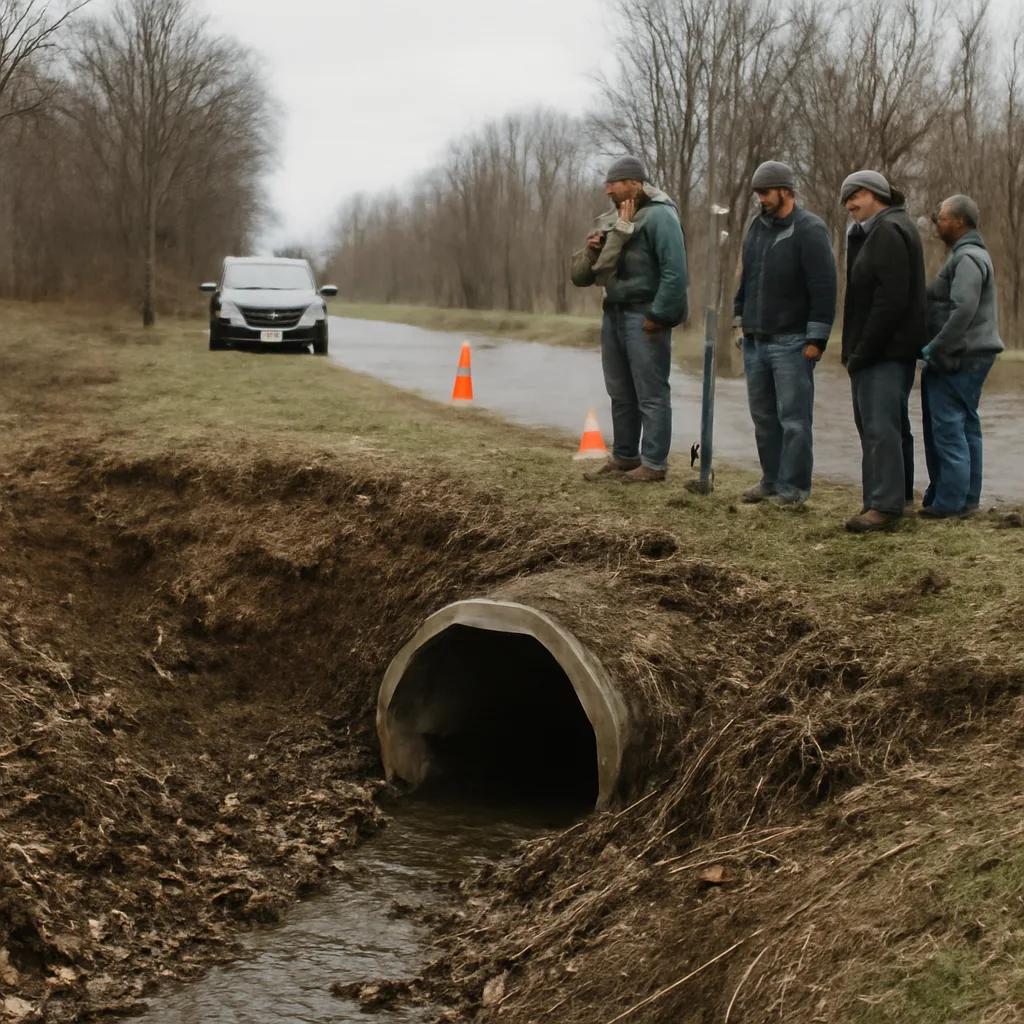
A concrete roadside culvert partially buried by soil and debris, with rescue workers standing at a safe distance and tools for excavation nearby.

A family’s dog survived 11 days trapped in a collapsed culvert before rescuers located and freed the animal on April 2, 2019. The dog was dehydrated but responsive and later recovered under veterinary care.


On April 2, 2019, rescuers located a dog that had survived for 11 days trapped inside a collapsed underground culvert. The animal’s situation drew local attention after it disappeared and search efforts shifted to scouring drainage structures and inaccessible cavities near the property where it was last seen.

According to contemporaneous accounts, neighbors and the dog’s owners organized searches that included volunteers and municipal workers. After several days with no sign of the animal, searchers inspected a concrete culvert and found a partially buried void where the dog had apparently become trapped following a collapse or shift in surrounding soil. Rescuers worked to carefully excavate material and create access without causing further instability in the confined space.

When the dog was reached it was reported to be alive but weak and dehydrated. Responders transported the animal to a veterinarian for assessment and treatment. Veterinary staff provided rehydration and monitored for injuries, shock, and complications associated with prolonged confinement, such as pressure wounds or hypothermia. Reports from the period indicate the dog recovered under care and later reunited with its owners.

Incidents in which companion animals become trapped in drainage pipes, culverts or collapsed earth are relatively common in areas with older infrastructure or after heavy rains that undermine soils. Such rescues typically involve coordinated efforts among owners, volunteers, local public works or utility crews, and animal welfare organizations. Safety considerations for rescuers include potential further collapse, confined-space hazards, and the animal’s stress-driven behavior when contacted. Professional excavators or trained technical-rescue teams are sometimes called in to stabilize the area and extract the animal safely.

While this case concluded with the dog’s survival and recovery, it also highlighted the risks posed by aging or damaged drainage structures and the importance of quick reporting and coordinated search efforts. Follow-up actions in similar cases often include inspections of nearby culverts and repairs to prevent future entrapments, outreach to owners about supervising pets near such hazards, and discussion among local authorities about signage or barriers where needed.

The precise details—such as the dog’s breed, exact location, and names of rescuers or veterinary clinics—in publicly available summaries from the time vary between accounts and local reports. Where those specifics were reported by local media, they helped personalize coverage; where they were omitted, reporting focused on the broader rescue operation and the animal’s condition upon release. Regardless of the differing levels of detail, the core facts of this incident are consistent across sources: a dog became trapped in an underground culvert, was found alive after 11 days, received veterinary care, and later recovered.

Share this

Email Share on X Facebook Reddit

Did this surprise you?