
02/09/1932 • 5 views
First confirmed recall of a radioactive consumer product, February 9, 1932
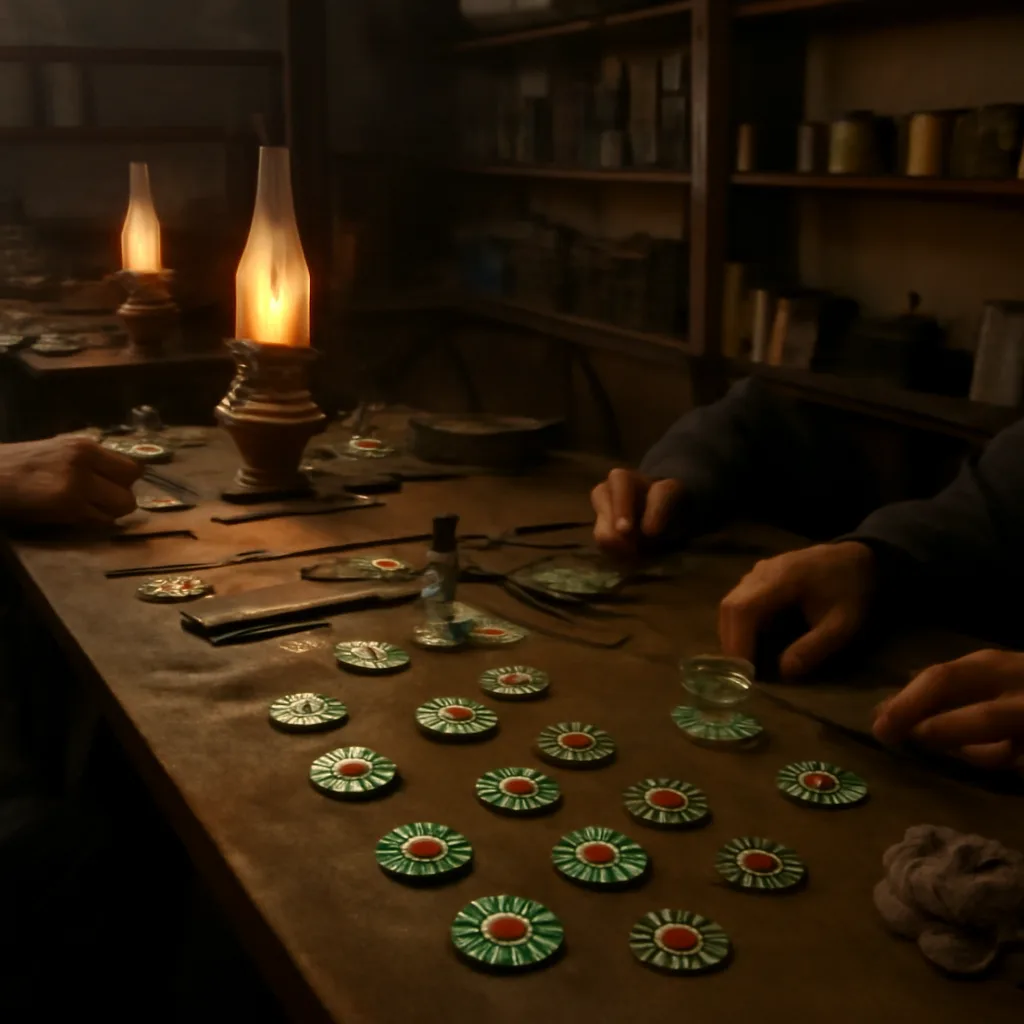
On February 9, 1932, U.S. authorities confirmed the recall of consumer products containing radioactive materials—chiefly radium-bearing luminous paint—after health concerns mounted from occupational exposures and reports of defective items reaching the public.
The use of radium in consumer goods expanded after its luminescent properties were commercialized in the early 20th century. Companies produced luminous dials and novelty items marketed for convenience and novelty. Throughout the 1910s and 1920s, workers—many of them women—employed in factories that applied radium paint received substantial exposures. Medical and investigative reports of serious illnesses among these workers, including jaw necrosis, anemia, and bone cancers, led to increased public and regulatory scrutiny. High-profile legal cases and medical studies brought the hazards of radium into the public eye and created pressure on manufacturers and authorities to act.
By 1932, authorities were no longer dealing solely with occupational cases; evidence and consumer complaints suggested that defective or improperly shielded consumer products could also pose risks to users. The confirmed recall announced on February 9 targeted items whose radium content or paint application made them potentially hazardous in normal use—particularly when paint flaked, containers were broken, or powdered paint could be inhaled or ingested. The recall aimed to prevent further exposure while regulators and public health officials refined guidance on the handling, labeling, and disposal of radioactive consumer items.
The 1932 recall did not arise in isolation. It followed a decade of mounting scientific literature and investigative journalism documenting radium’s harmful effects. Notable medical reports—such as studies linking radium exposure to bone damage and malignancies—and court cases against manufacturers helped shift public opinion and prompted manufacturers to reassess product formulations and safety measures. Government agencies began to consider restrictions and recommendations, though comprehensive federal regulation of radioactive materials was still decades away.
The recall's practical effects varied. Some manufacturers modified production methods, improved labeling, or withdrew certain products; others debated the extent of danger and the economic consequences of withdrawing popular luminous items. For the public, the recall served as an early example of authorities intervening when consumer products posed radiological hazards. It also highlighted the limits of contemporary regulatory frameworks for industrial and consumer uses of novel technologies.
Historically, the 1932 recall is significant because it marks an early, confirmed instance of government action addressing radioactive consumer goods—predating more systematic nuclear and radiological regulation that developed after World War II. While radium paints were gradually phased out in favor of safer alternatives (notably non-radioactive photoluminescent compounds and later tritium-based products with strict controls), the events of the 1920s and early 1930s informed later policies on worker protection, product safety, and public communication about radiological risks.
Sources on this period include contemporary newspaper accounts, court records related to radium-workers' litigation, and retrospective histories of radiological safety. Some details—such as the exact list of recalled items and the administrative mechanism used—may vary across sources, reflecting the uneven and evolving nature of regulation in the early 20th century.