
02/12/1928 • 5 views
First Woman Executed in Electric Chair: 1928 Case Marks a Grim Milestone
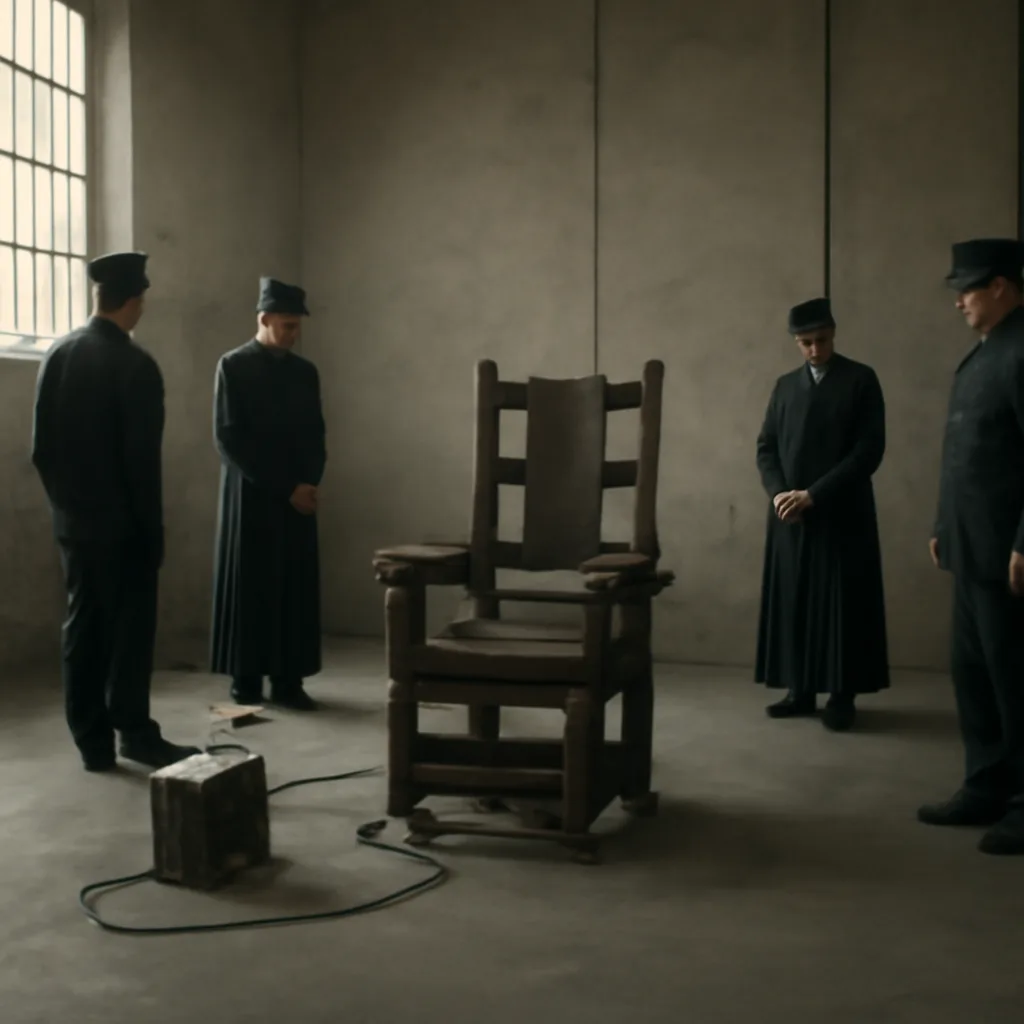
On February 12, 1928, the United States carried out its first known execution of a woman by electric chair, a moment that highlighted shifting penal technologies and persistent legal and social debates over capital punishment for female defendants.
The execution of a woman by electrocution in 1928 was notable for several reasons. Women had long been executed in the United States, but executions of women were less frequent than those of men and often attracted intense public and media attention. The use of the electric chair on a female convict raised questions about gender, punishment, and the state's willingness to apply the ultimate sanction regardless of sex. Contemporary press coverage emphasized both the novelty of the method in a woman's case and the broader anxieties about modern penal technologies.
Legal context varied by state. Electrocution had become the statutory method of execution in many states after the turn of the century; by the 1920s governors, legislatures, and courts were grappling with its administration, technical failures in some executions, and appeals based on cruel-and-unusual-punishment claims. The 1928 case occurred against that backdrop: a criminal conviction upheld through the courts, followed by the implementation of the death sentence under the prevailing statutory method.
Social reaction mixed condemnation, sensational interest, and procedural focus. Some commentators argued that executing a woman transgressed social norms about femininity and clemency; others insisted that justice required equal application of the law. Newspapers of the era often framed such executions through gendered language, scrutinizing the woman’s character, motives, and the circumstances of the crime more intensely than they might for male defendants.
Historians note that executions of women, while rare, illuminate broader patterns in criminal justice history—how communities, courts, and correctional institutions respond to crime and how gender shapes legal narratives. The 1928 electrocution thus serves as a lens on the period’s penal practices: the technological faith in electrocution as modern, the uneven application of mercy, and the growing public scrutiny of capital punishment.
It is important to stress that historical records from the era can vary in detail and emphasis. Contemporary newspaper accounts, court records, and prison logs provide primary evidence for the event, but reporting conventions and archival survival affect what is known. Where specifics about the individual's identity or aspects of the proceedings are disputed or inconsistently reported in surviving sources, historians qualify claims accordingly.
The 1928 execution did not end debate over capital punishment or electrocution. Over subsequent decades the electric chair remained in use but increasingly came under legal and ethical challenge, culminating in mid-20th-century and later reforms that changed methods of execution in many jurisdictions. The case remains a documented milestone in the history of American capital punishment, notable both for its gendered implications and for illustrating how new technologies of death were adopted and contested.