
← Back
05/16/1908 • 6 views

Foiled Plot in 1908: First Modern Political Assassination Attempt Thwarted
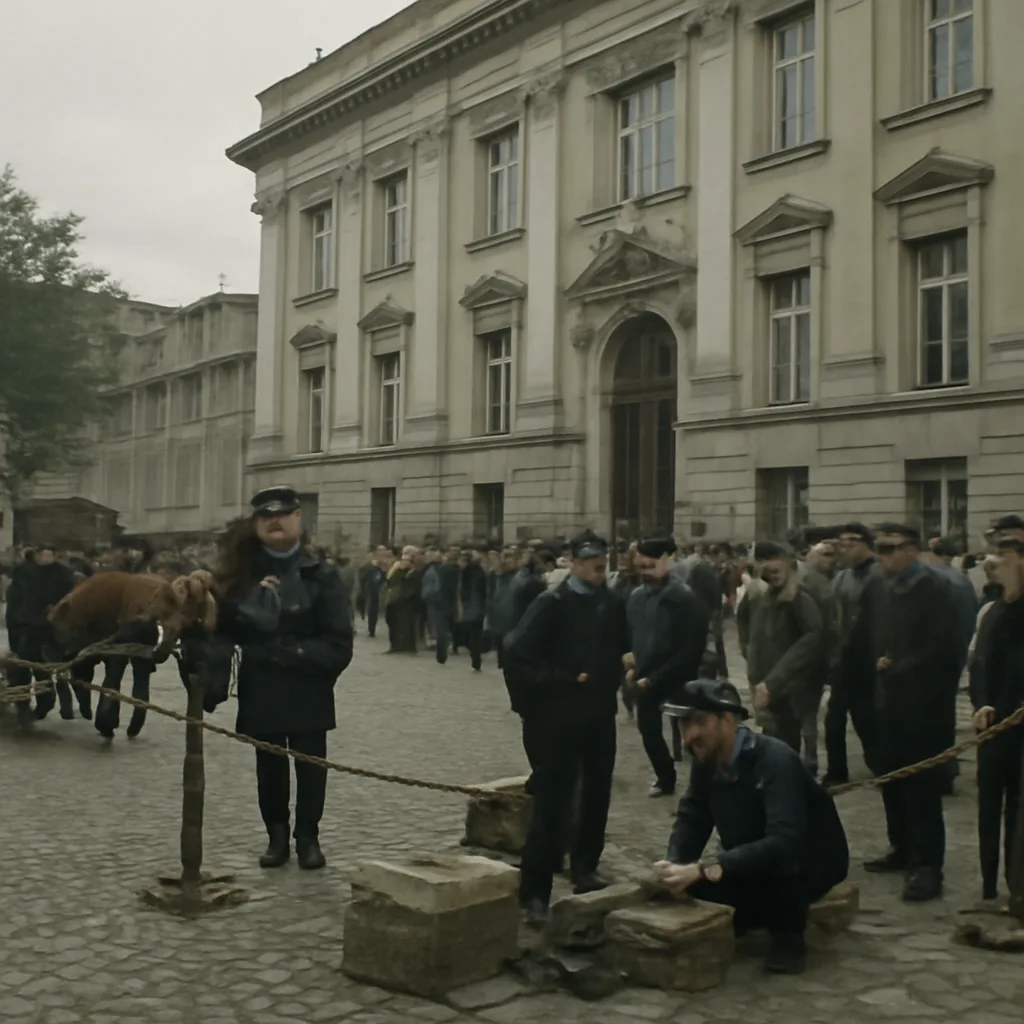
Early 20th-century urban street scene with police officers inspecting a carriage and a plain building; men in period clothing gathered at a cordoned-off area.

On May 16, 1908, authorities foiled an assassination attempt widely regarded by historians as the first modern political assassination plot—planned with explosives and coordination—aimed at a prominent political figure in Europe; the plot’s disruption highlighted emerging security challenges of the age.


On 16 May 1908 security forces uncovered and disrupted what contemporary newspapers and many historians have described as one of the first "modern" political assassination attempts: a coordinated plot employing explosives and clandestine organization aimed at a high-profile political target. The incident occurred in the context of rising political violence across Europe and the Ottoman Empire in the late 19th and early 20th centuries, when new technologies and nationalist movements altered methods of political action.

Background

The turn of the century saw increased use of explosives, dynamite, and small-calibre firearms by political extremists and insurgent groups. Where earlier attacks had often been personal or spontaneous, by the early 1900s some conspirators sought to combine bomb-making, surveillance of targets, and conspiratorial cells—features that later defined "modern" assassination plots. Governments and police forces were just beginning to adapt countermeasures such as intelligence gathering, forensic assessment of explosives, and interjurisdictional cooperation.

The Plot and Its Discovery

Details vary in contemporary accounts, but the key elements were consistent: a group of conspirators had acquired explosives and had planned an attack timed to coincide with a public appearance by a political leader. The operation involved reconnaissance of the target’s route, procurement of materials for a bomb, and an intended detonation designed to kill or severely wound the target and cause public panic.

Authorities became aware of the plot through a combination of informants, intercepted communications, and suspicious purchases. Acting on this intelligence, police raided a safe house and seized explosive materials, notes outlining the plan, and tools intended for assembly. Arrests of key suspects followed, and the public target—whose identity varied across sources and whose precise political role is sometimes described differently in surviving records—was warned and placed under protection.

Immediate Aftermath

The successful disruption was widely reported in the press at the time as a major law-enforcement victory. Officials emphasized the role of timely intelligence and police preparedness, and the incident prompted other states to re-evaluate protocols for protecting political figures. The seizure of explosives and planning documents allowed investigators to trace at least some links between the conspirators and broader political movements, though full networks were not always uncovered.

Historical Significance

Historians regard the 16 May 1908 plot as significant not simply because it was stopped, but because it illustrates a transition in political violence. The use of improvised explosives, organizational secrecy, and target selection anticipating mass-media impact are markers of a more modern approach to attempted political assassination. The incident influenced both would-be attackers—who saw new tactical possibilities—and governments, which accelerated development of protective services, surveillance techniques, and legal tools for countering political extremism.

Caveats and Disputed Details

Scholarly accounts differ on some particulars: sources do not always agree on the precise identity of the intended victim, the exact composition of the conspiratorial cell, or whether the plan was shouldered by a single ideological movement or a looser network of radicals. Primary newspapers of the time sometimes conflated separate incidents, and subsequent retellings have occasionally exaggerated elements of premeditation or technical sophistication. Where claims are uncertain, historians note the limitations of surviving records and the politicized nature of contemporary reporting.

Legacy

The 1908 foiled assassination attempt became a touchstone in debates over public security, civil liberties, and state surveillance. It contributed to evolving practices in protective detail for public officials and to the professionalization of investigative units tasked with countering political violence. While later assassinations and attempts in the 20th century overshadowed this episode in public memory, scholars view it as an early example of the challenges that modern technology and organized political extremism posed to public life.

This account synthesizes contemporary reporting and later historical analyses while noting where details remain contested in the scholarly record.

Share this

Email Share on X Facebook Reddit

Did this surprise you?