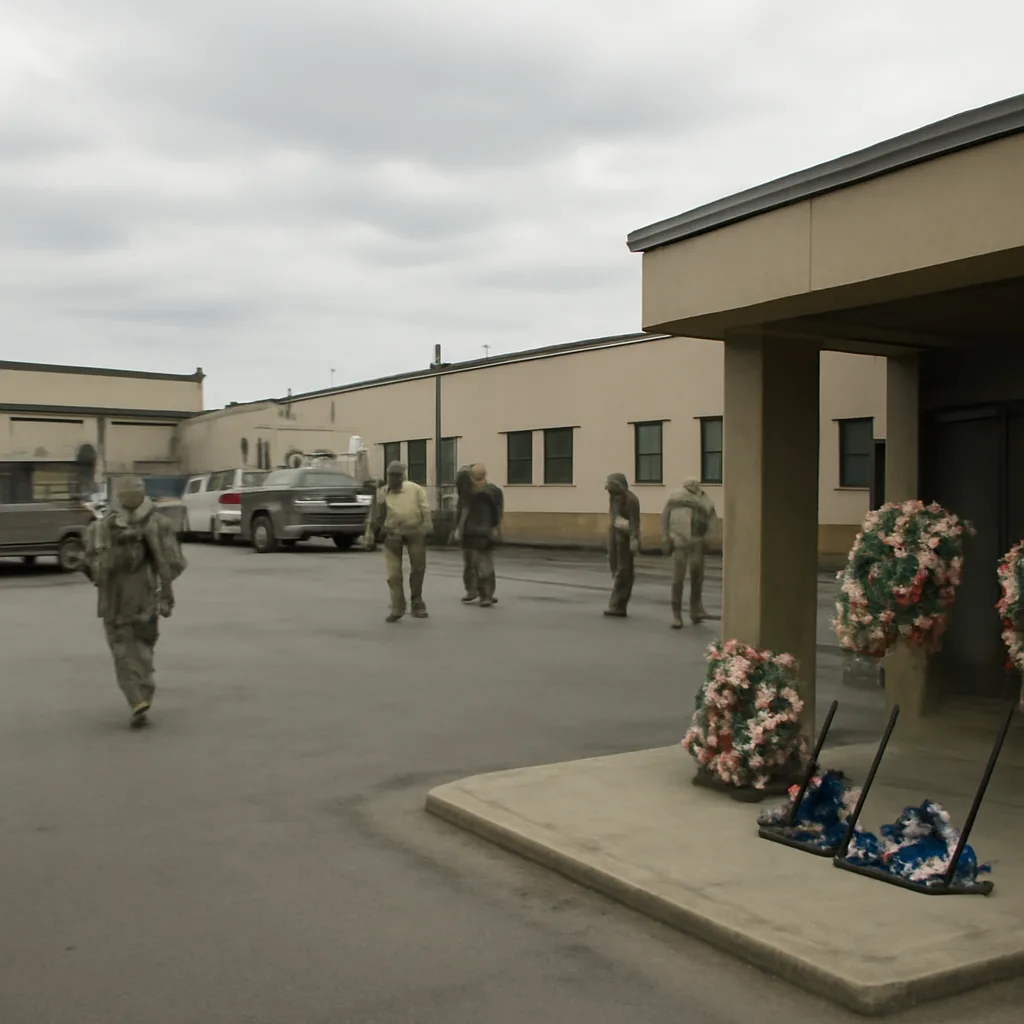
Fort Hood Shooting on November 5, 2009, Kills 13 Soldiers
On November 5, 2009, a mass shooting at Fort Hood, Texas, left 13 soldiers dead and more than 30 wounded when an Army major opened fire at the soldier readiness processing center. The attack prompted wide-ranging investigations into motive, response procedures, and base security.
On the morning of November 5, 2009, a mass shooting occurred at Fort Hood, a U.S. Army post near Killeen, Texas. The shooter, Major Nidal Hasan, an Army psychiatrist, opened fire inside the Soldier Readiness Processing Center, where service members were preparing for deployment. Thirteen soldiers were killed and more than 30 military personnel and civilians were wounded before Hasan was incapacitated.
Sequence and immediate response
The attack began around midday when Hasan began firing a semiautomatic handgun from within the processing center. Soldiers and staff attempted to shelter and flee; others attempted to stop the shooter. Law enforcement and military police responded to the scene. Hasan was shot and wounded by responding officers and later taken into custody. First responders evacuated the wounded to nearby medical facilities, including Darnall Army Medical Center and local civilian hospitals.
Victims and community impact
Thirteen soldiers died as a result of the attack. Many survivors sustained physical injuries; others suffered long-term psychological trauma. The Fort Hood community and the broader military family grieved; memorial services and support programs were established for victims, families, and witnesses. The incident prompted extended mental-health and security support efforts on post.
Investigations and legal proceedings
Federal and military investigations examined the shooter’s background, motives, and potential failures in intelligence sharing. Authorities, including the FBI and Army criminal investigators, reviewed Hasan’s communications and prior behavior. In 2013 a military court-martial found Hasan guilty on multiple counts including premeditated murder and attempted murder. In 2013 a military jury sentenced him to death. Over subsequent years Hasan's legal appeals and review processes continued through military channels.
Policy and security consequences
The shooting spurred reviews of base security protocols, force protection measures, and procedures for identifying and responding to insider threats. It also intensified examination of how medical and mental-health professionals in the military are monitored and whether warning signs were missed. The Department of Defense and Army implemented or reviewed training, reporting mechanisms, and information-sharing practices between agencies.
Public debate and classification of the attack
Officials and commentators debated whether the shooting should be classified as an act of terrorism, workplace violence, or both. Government investigations considered whether the attack was inspired by extremist ideology or driven primarily by the perpetrator’s personal circumstances and grievances. Different agencies and observers sometimes reached different characterizations, and the issue remained a subject of discussion in subsequent reporting and legal filings.
Long-term aftermath
The Fort Hood shooting remains one of the deadliest attacks on U.S. military personnel within the United States. It prompted lasting changes in how military installations assess risk, support mental health, and coordinate with federal investigators. Memorials and remembrances for the victims continued in years after the attack, reflecting ongoing impact on families, fellow service members, and the Fort Hood community.
Notes on sources and accuracy
This summary is based on widely reported facts about the November 5, 2009, Fort Hood shooting, official statements, and public court outcomes. Where interpretations (for example, motive classifications) were contested, this text notes that debate rather than asserting a single definitive interpretation.